Youth, Shows, Careers & Dairy Life
Scholarships for Dairy Youth in 4-H and FFA
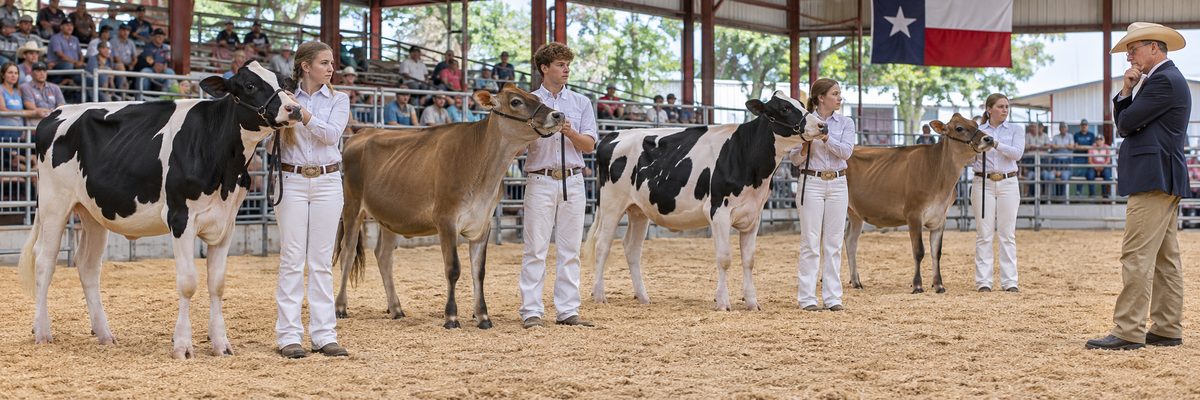
Scholarship money exists for dairy kids, but it doesn't arrive in the mailbox. You have to find it, read the fine print and send in an application before the deadline, which is a skill most dairy kids already have from filing show entries.
Most dairy scholarships come from five places: breed associations and their foundations, national youth organizations like FFA, state dairy groups and promotion boards, colleges and universities, and local sources such as county farm bureaus, co-ops and community foundations. Each has its own eligibility rules, so the first job is figuring out which ones you qualify for.
This article covers where to look, how applications generally work and how to make your 4-H or FFA experience count. Always confirm details and deadlines on the sponsor's own site, because they change.
Breed association scholarships
Many breed organizations support young members through scholarships, and membership is often part of the eligibility. Because the applicant pool is smaller than for general scholarships, your odds can be better than you think.
A good example is the Holstein Foundation. It lists several scholarships on its site, including the Charles and Judy Iager Scholarship, the George Miller Scholarship and the Raymond LeBlanc Scholarship. According to the Holstein Foundation scholarship page, the Iager Scholarship is for current Holstein Association USA adult or junior members who are U.S. citizens enrolled full-time at a U.S. university as a freshman, sophomore or junior, pursuing an associate or bachelor's degree, with dairy or agriculture experience and career aspirations. The page says applicants complete one application that is considered for all three scholarships, with applications due April 1, and the Iager award is presented at the National Holstein Convention. Check the page for current details before you apply.
Other breeds, including Jersey, Guernsey, Brown Swiss, Ayrshire and Milking Shorthorn, have associations that offer or list youth scholarships and awards. Visit each breed association's website, look for a youth or foundation section and note the membership requirements. If you're not yet a member, joining is often cheap compared with the award.
FFA scholarships
The National FFA Organization runs a large scholarship program with many individual awards, each with its own criteria. The National FFA scholarships page explains how to find and apply for them. Many are open to members regardless of species, so your dairy SAE record can set you apart. If you're building that record, FFA dairy SAE project ideas may help.
State FFA associations and local chapters often have their own scholarships too. Talk to your advisor, who usually knows which local sponsors want to fund ag students.
4-H scholarships
4-H scholarships come through national programs, state 4-H foundations, county councils and local donors. Ask your county extension office or 4-H leader which awards your county or state offers, and check what they require. Some ask for a record of project work, leadership roles and community service. A well-kept book makes the application easy, and keeping a 4-H dairy project record book will pay off at scholarship time.
Other places to look
Dairy promotion and industry groups
State and regional dairy organizations, milk marketing groups and cooperatives frequently fund scholarships for members' children or for students entering dairy-related fields. A co-op's newsletter or website often lists them, and many families miss that.
Universities and colleges
Colleges of agriculture, dairy science departments and animal science programs usually have their own scholarships, often funded by alumni and industry donors. When you apply for admission, ask the department about aid specifically for dairy students. The checklist in choosing a college for dairy science includes questions on cost and aid.
Community and local sources
County farm bureaus, Grange chapters, rural electric cooperatives, banks, service clubs and community foundations often award scholarships to local students. They tend to have fewer applicants, so a clear, honest application can go a long way.
How applications usually work
Most applications ask for a combination of the following:
- Transcripts or proof of enrollment
- A list of activities, leadership roles and awards
- One or more essays
- Letters of recommendation
- A record of your project or work experience
- Sometimes an interview, or proof of membership
Read the instructions twice. Missing one attachment can get an otherwise good application tossed, and nobody feels worse about it than the person who had a great essay.
Making your dairy experience count
Committees read dozens or hundreds of applications. What stands out is specific detail. Instead of "I like cows," describe a problem you solved, an animal you raised, a record you kept or a skill you learned.
- Use real numbers from your own project records when you have them, like how many animals you cared for or how you tracked growth.
- Describe what you learned from a difficult situation, such as a sick calf or a show that didn't go well.
- Explain how your dairy experience connects to your career goals, whether that's nutrition, veterinary medicine, farming or dairy foods.
- Show leadership: teaching younger members, organizing events, helping with a county fair barn.
Careers matter in applications. If you're not sure what to say about your goals, read careers in the dairy industry for ideas, and talk to people working in the fields that interest you.
Tips for staying organized
- Make a spreadsheet of scholarships, deadlines, requirements and status
- Start essays early and have a teacher, advisor or extension agent read them; it is strange how a kid who can clip a Holstein in the dark goes quiet when asked to write two sentences about herself
- Ask for recommendation letters at least a few weeks before deadlines
- Keep a master document of activities and awards so each application takes less time
- Apply to many; small awards add up
- Say thank you when you win, because sponsors remember good manners
Avoid any scholarship that charges you a fee to apply or promises guaranteed results. Legitimate scholarships don't ask for your bank details, and your school counselor can help you check an unfamiliar one.
Quick answers
Do I have to be a breed association member to get a dairy scholarship?
Often yes, for breed-sponsored awards. Membership requirements are listed on each association's site, and joining may cost far less than the scholarship is worth.
When should I start applying for dairy scholarships?
Start looking in your junior year of high school, and keep applying as a college student. Many awards are open to current undergraduates, not just seniors.
Can I use FFA or 4-H project records in a scholarship application?
Yes, and you should. Detailed records of animals, income, expenses, skills and leadership give committees concrete evidence of your experience.