Youth, Shows, Careers & Dairy Life
What Happens During Fair Week for Dairy Exhibitors
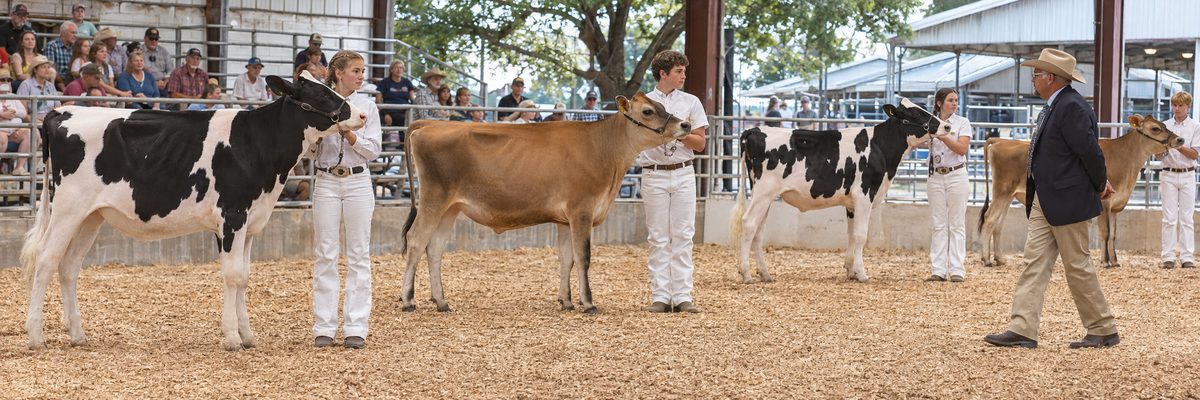
Nobody hands a first-time exhibitor a map of fair week. You get a fair book with the rules in small print, a number to pin on your back and a general instruction to be in the barn at some point. The week itself follows a pattern, though, and once you have seen it you can relax and let the heifer be the nervous one.
In most counties the order is: entry well ahead, arrival and check-in, a health look-over, setting up your pen, daily barn chores, the dairy show itself with showmanship and breed classes, then release when the fair says animals can go home. Details change a lot between fairs, so treat the schedule below as a typical week, and let your fair book overrule it.
Before the fair opens
Most of the work happens at home. Entries are due weeks ahead, paperwork has to be right and your animal must be eligible under the fair's ownership, tagging and registration rules. Health requirements vary by state and sometimes by fair, so confirm them with the fair office, county extension agent or state veterinarian's office. The University of Georgia Extension fitting guide recommends confirming health requirements about a week before the show, because some require a veterinary certificate dated within a set window. A week gives you time to get a missing paper instead of a disappointed look at the gate.
If you are still packing, the packing list for the county fair dairy barn covers everything from feed to folding chairs.
Arrival and check-in
Fairs assign a window when animals can arrive. Come inside it. Showing up early just parks you in a trailer line, and showing up late can mean your pen was given to a heifer with better timing.
- Unload and tie her in her pen first. Get water in front of her before you do anything else.
- Check in at the office or barn desk. Bring your entry receipt, health papers and identification. They will tell you your pen assignment and exhibitor number.
- Health check. Many fairs have a vet or inspector look at animals on arrival, checking identification and general condition. An animal with symptoms of contagious disease may be turned away. That is not personal. It protects every other animal in the barn.
- Set up the pen. Bedding, buckets, fan, stall card. Then finally take your own shoes off the trailer floor and drink something.
Dairy animals are generally not weighed the way market animals are, though a few fairs measure or check an animal's age, birth date or breeding status to place her in the right class. The Nebraska Extension fair book for one county, for instance, sorts classes by birth date ranges and by whether a cow has freshened. If your fair weighs or tags, the fair book will say so.
The daily barn routine
Between check-in and show day the barn becomes your second home. Expect a rhythm like this:
- Early morning: check water, feed, clean the pen, look her over. Many fairs require pens to be clean by a set time.
- Mid-morning: walk her, brush her, practice setting up. Keep sessions short, especially in heat.
- Midday: shade, water, rest. Judging contests, skillathons and other events may happen now.
- Afternoon: clean again, wash and fit if the show is the next day.
- Evening: final feed, pen check, a quick temperature check if she seems off.
Lactating cows must be milked on their regular schedule. If your fair has a milking parlor or milk rules for exhibitors, learn them at check-in. Milk from fair animals has its own rules about where it can go, so follow the fair's directions rather than assuming.
The time between chores is the best part of fair. You will meet people who have shown for decades, hear what the judge likes and learn at least three tricks you cannot get from a book. You will also learn which neighbor can set up a heifer's feet in four seconds flat and which one needs coaching.
Show day
Dairy shows are usually organized something like this, though each fair will differ:
- Showmanship first. Exhibitors are judged on how well they show, usually by age group such as junior, intermediate and senior. The animal's quality does not decide the result. How dairy showmanship is judged explains the scoring, and showmanship tips for first-year exhibitors helps you prepare.
- Breed or conformation classes. Animals are grouped by age and sometimes breed, and the judge places each class. See dairy cattle show classes explained by age and division for how it breaks down.
- Champion drives. Class winners return to compete for champion and reserve in their division, and some shows then run a grand champion class across breeds.
- Group classes. Fairs may offer pairs, herds or other group entries, which usually require advance sign-up.
- Release. After the show, and sometimes the next day, animals go home on the fair's schedule.
Your job on show morning is simple to say and hard to do: get her washed, dry and fitted within the rules, get yourself into clean white clothes, and be at the ring entrance when your class is called. Barn announcers move fast, and the class before yours will end earlier than expected.
What the judge will do
The University of Georgia Extension guide describes the ring etiquette: move clockwise around the ring, keep the animal between you and the judge, use the whole ring, and watch the judge for cues. The judge may signal with hand motions rather than words, so keep your eyes up. A judge may also ask questions about your animal's pedigree, diet and birth date, so know her information.
After the show
Once classes are finished, everyone breaks stalls, tears down decorations and loads trailers. Do not leave early unless the fair says you can. Releasing animals early without permission is a quick way to have a conversation with the superintendent. Take photos, thank your leader, pack up everything you came with and leave the pen cleaner than you found it. If you have a herd at home, ask your vet whether she should be kept apart for a while after the fair, since fairs bring animals from many farms together, and call the vet if she seems unwell after the trip.
If you are in the Northeast or elsewhere
Schedules differ by region. Northeast exhibitors often travel a circuit of fairs, which is covered in tips for the Northeast fair circuit. Fairs in hot regions sometimes shift chores and shows toward cooler hours, and smaller Mountain West fairs can run short. When in doubt, ask someone who has done your fair.
For a reference from a land-grant university, the University of Georgia Extension guide to fitting and showing dairy animals covers preparation and ring conduct, and the Nebraska Extension dairy cattle fair book for Dawes County shows how one county organizes its classes.
Quick answers
What order do dairy fair classes run in?
Many fairs run showmanship first and then conformation classes, followed by champion classes. The order varies, so check your fair book or the barn schedule posted at check-in.
Do dairy animals get weighed at the fair?
Usually not, since dairy classes are based on age, breed and sometimes lactation rather than weight. Some fairs verify age, identification or breeding status at check-in, so bring your records.
When can I take my animal home after the fair?
Whenever the fair releases animals, which is set in the fair book. Leaving early without permission can cost you premiums or privileges, so ask the superintendent if you have a conflict.