Youth, Shows, Careers & Dairy Life
Safe Handling of Dairy Bulls and Fresh Cows
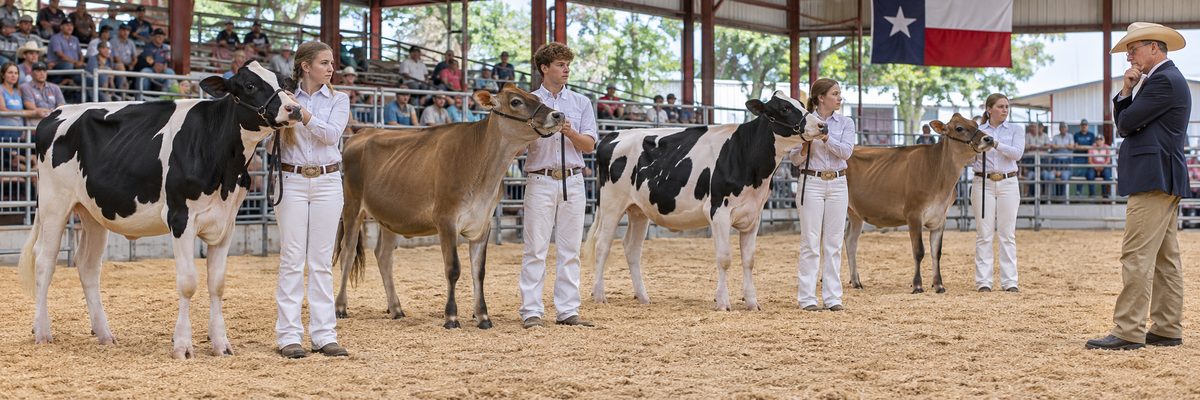
The cow that has been gentle for three years can turn into a different animal the day she calves, and the bull that looks sleepy in the corner has the same fight in him as the day he was born. Neither one is being mean. They're being cattle, and it's the person who forgets that who gets hurt.
Safe handling comes down to a few things: respect the animal's space, don't get trapped, have an escape route, don't work alone and let the situation tell you when to back off. Dairy bulls, in particular, have a reputation among farm safety people that is earned, and many dairy farms have moved to artificial insemination partly for this reason.
This article covers behavior, facilities and practical rules. It's general safety information and doesn't replace training from an experienced handler or your own farm's protocols.
Why bulls are different
An adult bull is large, strong and driven by hormones. Dairy bulls, especially some of the larger dairy breeds, are widely regarded as unpredictable, and a bull that is calm one day can be aggressive the next. A common trap is the "pet" bull raised on a bottle. He sees people as herd mates or rivals, not as something to respect, and that gets dangerous as he matures.
If you're wondering whether to keep one at all, whether to keep a bull on a dairy farm weighs the benefits against the risks, and do-it-yourself AI vs hiring a technician covers the alternative to bull breeding.
Bull rules that don't bend
- Never turn your back on a bull, and never trust one, regardless of breed or past behavior.
- Don't enter a pen or pasture with a bull on foot unless you have an escape route and a good reason.
- Don't work alone around a bull. Someone should know where you are and be able to help.
- Keep children, visitors and untrained workers away from bulls.
- Handle bulls with proper facilities, such as sturdy pens, headgates and a nose ring where appropriate.
- Don't tease, scratch or play with a bull, and don't allow others to.
Learn to read body language. A bull that lowers his head, paws the ground, swings his head side to side or arches his neck is warning you, and it's a clear one. Leave calmly and don't run unless you must, and never turn your back while leaving if you can avoid it.
Facilities for bulls
Good facilities give you distance and options:
- Use heavy-duty pens and fences built for bulls, not just for cows. A weak gate is an invitation.
- Design the pen so feed and water can be given without entering. A feeder reachable from outside the pen saves a lot of risk.
- Keep escape routes, such as exits or ladders, in alleys and pens where people work.
- Put bulls in a location that doesn't cross walkways used by children or visitors.
- Maintain gates and latches. A gate that sticks or swings loose is a hazard when it's the only thing between you and 1,800 pounds of opinion.
Farm safety organizations publish more detailed guidance on handling livestock safely. The New York Center for Agricultural Medicine and Health and the National Education Center for Agricultural Safety both offer safety and training resources for farm workers.
Fresh cows and protective mothers
Cows that have just calved are often more protective, more nervous and sometimes more aggressive than usual. They're also sick more often than other cows, and a sick or hurting cow reacts to handling differently from a healthy one. Many injuries to dairy workers come from cows kicking, pushing or pinning someone, and fresh cows are a common source.
Calving pen safety
Don't walk into a calving pen without thinking about where the cow is and how you'd get out. Move quietly, approach from a position she can see and keep a gate or barrier between you and her when possible. If she's protective of a calf, handle the calf from outside the pen or arrange the pen so you can reach it safely. A well-designed setup helps, as described in the calving pen setup and hygiene checklist.
When a cow needs help calving, make sure she's restrained safely and that someone else knows what you're doing. Knowing when to step back and call for help is part of the job; when to assist a calving cow or call the vet explains the decision points.
Moving and milking fresh cows
Fresh cows can be jumpy in the parlor, especially first-calf heifers who aren't used to the noise and the routine. Calm handling and good training make a big difference; see training first-calf heifers to the parlor. In the parlor, stand where a kick can't reach your head and don't force a cow that's panicking. Some cows kick the unit off and then kick you, and a calm voice and patience usually work better than shouting.
Treated cows and fresh cows are often milked separately or last, which also helps limit exposure for the crew; the milking order for fresh and treated cows article covers why.
Handling tips for any large animal
- Understand the flight zone. Entering it moves an animal away, and going too deep can push a cow into you.
- Don't stand in dead-end spots. Keep a path behind you.
- Move cattle calmly. Loud voices, hot shots and chasing raise the danger for everyone.
- Give a cow room to turn around. A trapped cow reacts defensively.
- Use gates, panels and stalls to separate animals instead of your body.
- Watch for slick floors. A slip next to a cow ends badly.
Workers, youth and new hires
Inexperienced people get hurt most often. Train new employees on cattle behavior before they work with fresh cows or bulls, and pair them with an experienced person at first. Spell out which animals are off limits and why. Young workers and family kids shouldn't work around bulls or protective cows; the rules in dairy farm safety rules for kids and teens make that clear.
Encourage a culture where anyone can say "that cow is acting off" without being laughed at. The best stockpeople are cautious ones, and the farm that listens to its newest hire is usually the farm with fewer accidents.
If something goes wrong
Keep phones within reach and post emergency numbers. Have a plan for getting an injured person out of a pen without causing more harm, and teach workers basic first aid. Get medical help for any serious injury, including crush injuries and head trauma, even when the person insists they're fine.
Quick answers
Are dairy bulls more dangerous than beef bulls?
Dairy bulls have a long reputation for being unpredictable, and any bull can seriously hurt or kill a person. Treat every bull as dangerous regardless of breed or temperament.
Why are fresh cows more dangerous?
They're protective of the calf, they may be in pain or stressed and they're often nervous in new routines. Calm handling, a safe approach and a clear exit lower the risk.
Is it safe to work alone with cattle?
It's riskier, especially around bulls, calving cows and equipment. Let someone know where you are, carry a phone and have a partner for any job that could pin or trap you.