Youth, Shows, Careers & Dairy Life
Prepping Show Heifers in a Cold Upper Midwest Barn
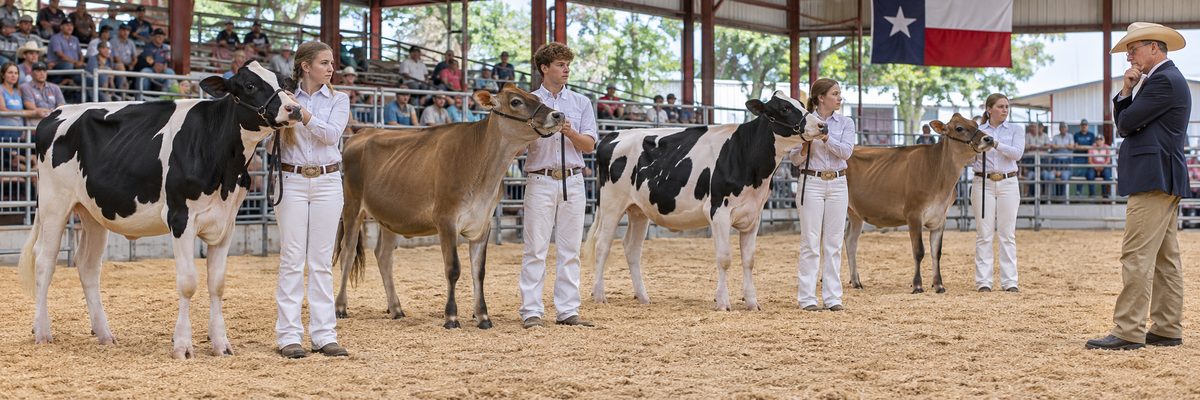
A dairy heifer can handle cold better than most of the people feeding her. What she can't handle well is cold plus wet plus drafty. Frozen water buckets, a damp coat and a barn that leaks wind are the real problems in a Minnesota or Wisconsin January, and each one is fixable if you plan for it.
The short plan: keep her dry, give her a wind-free place to lie down, make sure water never freezes solid, feed enough energy to keep her growing, and do your clipping and washing in a way that doesn't leave her wet in the cold. Training can go on all winter, as long as you watch the footing. And you'll want to bring a thermos, because nobody ever trained a heifer well with numb fingers.
Hair coat is the part that surprises new exhibitors. A winter coat grows thick and woolly, which is great for the heifer and terrible for the show photo. The challenge is to manage it without leaving her cold.
Dry, draft-free and well-ventilated
People tend to picture a cold barn as one that needs to be sealed up tight. It's the opposite. Cattle give off a lot of moisture, and a closed-up barn gets damp, which breeds respiratory trouble and keeps bedding wet. What you want is fresh air without a direct draft on the animal, with her lying area dry and out of the wind. The principles in winter ventilation: keeping barns open and dry apply just as well to a small show barn as to a freestall.
- Block drafts at animal level. Solid boards or a windbreak at the back of the pen help, without shutting off the airflow overhead.
- Bed deep. Deep, dry straw lets a heifer burrow in. If you can kneel in it and your knees stay dry, it's good.
- Keep it dry. Remove wet and soiled bedding daily, and don't let water drip from buckets or the roof into the stall.
- Don't pack too many animals into a small space. Crowding adds moisture and stress.
For the broader dairy barn side of this, cold-weather freestall management in the Upper Midwest shows how the same ideas work on a commercial dairy.
Water that doesn't freeze
A heifer that can't get water won't eat, and the feeding plan collapses. In the Upper Midwest, buckets can skin over in an hour at the wrong temperature.
- Use heated buckets or water bowls rated for livestock, plugged into a properly grounded, outdoor-rated circuit.
- Check cords for chewing and frayed insulation, and keep them out of the heifer's reach, because she will find the one cord you missed. Electrical problems in barns are a fire risk and a stray voltage risk.
- If you're carrying warm water by hand, do it often. Many cattle drink more when the water is slightly warmed, though don't serve it hot.
- Break ice in unheated tubs at every visit, and don't rely on it to melt by afternoon.
Feeding for cold weather
When it's cold, an animal burns more energy to stay warm, and a heifer in training needs enough feed to keep growing and hold her condition. Good-quality hay, free access and a ration that matches her age and size will do more than any trick. How much extra she needs depends on how cold it is, whether she's out of the wind and what her coat is like, so ask your leader or a nutritionist rather than guessing. The overview in cold weather feeding for Upper Midwest dairies explains the reasoning, and the University of Wisconsin's dairy extension program and the University of Minnesota's livestock extension pages have regional information on cold-weather care.
Hair coat, clipping and blankets
Show heifers are usually clipped, and in the Upper Midwest the question is how to do it when it's 10 degrees out. There's no shortcut, but there are ways to manage it.
- Clip in a warm, draft-free space. A heated shop, wash rack or insulated barn room is better than a cold aisle. See how to clip a dairy cow for a show for the technique.
- Don't strip her down on a freezing day and shove her back outside. If you clip the body, use a good blanket afterward and keep her somewhere warm and dry while the hair is short.
- Use blankets properly. Fit matters. A blanket that's wet, twisted or too tight does more harm than good, and it needs to be checked and dried daily.
- Be careful with heat lamps. They are a real fire risk in a barn full of straw and dust. If you use any heat source, follow the manufacturer's directions, secure it far from bedding and have a fire plan. Barn fire prevention for dairy farms is worth a read before the first cold snap.
Washing in the cold
You can wash a heifer in winter, but you have to dry her thoroughly. A wet cow in a cold barn can chill fast. Use warm water, wash in a heated space, dry with towels and a blower until she's completely dry, and keep her blanketed and out of the draft until her coat has settled. If you can't get her dry, don't wash her. Brushing and curry work to remove dirt and keep the coat clean. For technique, how to wash and blow dry a show cow covers the steps, and winter prep for the spring dairy show season shows how to plan the winter months around the show calendar.
Training in winter
Winter is a good time to work on halter training, because there's nothing else to do and she's in the barn anyway. The challenge is footing. Ice and slick concrete are an injury risk for you and her.
- Work in a space with good traction, like a rubber-matted aisle or bedded area. Spread sand or a non-slip material on icy walkways.
- Keep sessions short. Cold fingers and cold cattle both lose interest quickly.
- Wear gloves that still let you feel the lead rope.
- Don't practice on a wet, slippery floor. A fall can hurt both of you.
- Follow the steps in halter training a show heifer to lead and stand, and don't skip the basics because the weather is dull.
Cold-weather problems to watch for
- Frostbite. Ears, tail switches and, on older heifers, teats and udders can be affected, especially when wet. Keep animals dry and out of the wind, and call the vet for pale, hard or blistered tissue.
- Respiratory trouble. Coughing, nasal discharge and fast breathing deserve a vet visit, and so does a heifer that's off feed.
- Weight loss. If her ribs are showing or her hair looks rough, check the ration and her shelter.
- Slipping and injuries. Check legs and feet daily on icy ground.
The calf-side details are in keeping newborn calves warm in winter, which is a different set of problems from a growing heifer but has useful overlap, especially on dry bedding and blocking drafts.
Hauling to a winter show
Cold-weather hauling has its own rules. Don't trailer a wet heifer, and watch for wind chill on an open trailer. Close up the vents partly, but never seal a trailer completely, because heifers need fresh air. Check the road conditions and give yourself plenty of time. Allow time to warm up the truck, scrape the windshield and find out whether the fairground barn is heated, because many aren't. Arrive with extra bedding, a blanket and warm water if you can manage it.
Quick answers
How cold is too cold for a show heifer?
There's no single number, because wind, wetness and the heifer's coat and condition all matter. A dry, wind-protected heifer on deep bedding handles cold well, while a wet or drafty one struggles at much milder temperatures.
Should I blanket my show heifer in winter?
If she's clipped, a well-fitted, dry blanket is usually helpful. Check it daily, make sure it doesn't slip or rub, and ask your leader about when to use one in your area.
Can I wash my heifer when it's below freezing?
Only if you have a warm space and can dry her completely before she goes back out. If you can't, brush and curry instead and save the wash for a warmer day.