Barns, Cow Comfort & Equipment
Barn Fire Prevention for Dairy Farms
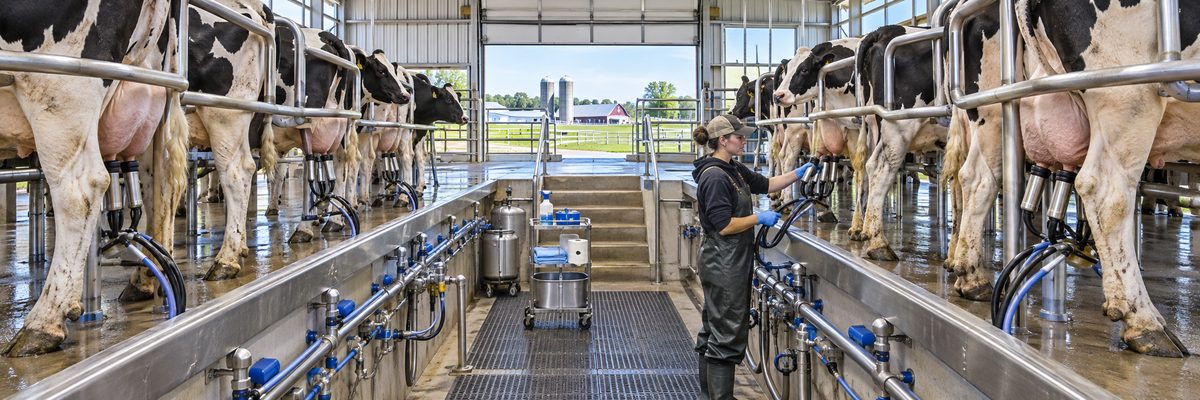
Most barn fires start small and quiet, with a hot cord, a motor packed with dust or a heater next to bedding. By the time anybody smells smoke, the building full of hay, dust and dry bedding is already doing its best impression of a fireplace. Prevention is mostly housekeeping, electrical care and a plan everybody on the crew knows, and none of it is glamorous.
A dairy barn is a tough place for electricity. Moisture, ammonia, dust and rodents chew on wiring and corrode fittings, and fans and motors run all day and night. Add hay overhead and a cow's idea of personal space, and you can see why insurers pay attention. The goal here is simple: take away ignition sources, take away fuel near them, and give people time to get cows and themselves out.
Start with the wiring
The Ontario Ministry of Agriculture, Food and Rural Affairs publishes a practical fact sheet, 10 ways to reduce the risk of barn fire, written with fire, insurance and university input. It is aimed at Ontario producers and cites Canadian electrical code, so follow your own local code, but the practical advice carries over to U.S. dairies. A few of its points:
- The permanent electrical system is one of the most vulnerable parts of a livestock barn, because humidity and corrosive gases from animals and manure degrade it.
- Wiring in concealed areas, such as inside a wall or attic, should be in conduit and junction boxes to protect it from rodents.
- Equipment should be rated for the humid, corrosive barn environment, and replacement parts should match.
- Regular inspection with a thermal camera can find equipment that is overheating before it fails.
- Arc-fault protection is worth considering.
Bring in a licensed electrician who knows livestock buildings, and ask them to check panels, junction boxes, grounding, breakers and anything that has been "temporarily" fixed for the last six years. Everything in a barn is temporary until it starts a fire.
Extension cords and plug-in heaters
The same fact sheet says equipment that is not hard-wired should only be used in emergencies, and damaged or frayed cords should not be used at all. Extension cords should be stored out of animal areas because the environment corrodes them. If you keep using a fan or heater on a cord, hard-wire it instead. Keep a fire extinguisher where you can get to it, not buried behind the feed cart.
Dust, cobwebs and clutter
Dust on a motor is insulation, and insulation on a motor is heat. The Ontario fact sheet recommends removing cobwebs and dust from surfaces and equipment, cleaning fans, augers and motors with compressed air, and keeping bedding, hay and other combustibles at least a metre (about 3 feet) from electrical systems. It also says to sweep up loose hay and straw, and keep exits and driveways clear.
Make fan cleaning part of your routine. The dairy barn maintenance checklist by season puts fan and motor cleaning in spring and fall, and it fits easily next to a bearing check. Dusty fans in a dairy barn do double duty: they move less air and they run hotter. That is how a cooling system becomes a fire risk in the middle of a heat wave. For coverage questions, see how many fans a dairy barn needs.
Hay, straw and feed storage
Large amounts of hay and bedding overhead or next to cows turn a small fire into a total loss. The Ontario fact sheet recommends storing combustibles such as straw or hay long term in a separate building away from livestock. If you cannot move all of it, keep it as separated and as limited as you can, and keep it away from heaters, wiring and equipment.
Hay that was baled too wet can heat on its own, and heating hay can smoke and eventually ignite. Watch new hay in the stack for warmth, odor and smoke, and ask your extension office about checking hay temperature safely. Do not climb into a smoking stack. Call the fire department instead. Ways to reduce losses and risk are covered in how to store hay and cut barn losses.
If you want a tall-tale version of what happens when somebody stacks bales six high and trusts gravity to behave, this farm.FM cowboy poem on hay bale accidents covers the comedy. The real thing is less funny, so keep stacks stable and separate.
Hot work, heaters and smoking
- Welding, cutting and grinding. The Ontario fact sheet calls hot work a common cause of barn fires. Do it outside or in a cleared, ventilated area with no combustibles nearby, keep an extinguisher handy, and use non-combustible pads to catch sparks. Sparks falling into under-barn manure storage have caused explosions and fires, so read manure pit gas safety for dairy crews before anyone strikes an arc near a pit.
- Thawing pipes. The fact sheet notes torches used to thaw water lines have been connected to barn fires. Use a safer method.
- Heaters. Improperly installed or maintained heaters are a common cause of barn fires. Keep them clear of bedding and dust, keep livestock from reaching them, and have gas-fired units installed and serviced per the manufacturer.
- Smoking. Keep the barn smoke-free and set up a designated outdoor spot.
Write a fire plan and practice it
A fire plan sounds like paperwork until the day it is not. The Ontario fact sheet suggests it should cover how to prevent fires and how to respond, with inspected extinguishers, working alarms and clear exits. It also suggests keeping a contact list for fire and police, owners of any animals on the farm, your milk buyer or commodity group, heavy equipment contractors for cleanup, and the people who handle livestock mortality.
- Walk every building and mark exits, extinguishers and shutoffs. Label the main electrical disconnect.
- Decide who calls 911, who handles cows, and who guides the trucks in. Make sure the farm address is clear for dispatch.
- Keep lanes and gates clear so fire trucks can get in, in all seasons, including snow.
- Figure out where cows will go if you can release them, and how to catch them again.
- Run the plan with every employee, including part-timers, and repeat it when crews change. Include the Spanish-speaking crew in the language they use, with signs to match.
- Plan for milk: a barn fire can knock out power, cooling and water, and your hauler and buyer need to know fast.
Remember that cows do not always run out of a burning barn. Frightened animals tend to stay or run back inside, and that is why prevention and fast notification beat heroics. Put people first, always.
Use your insurer and your fire department
The Ontario fact sheet notes that many insurers and fire departments offer on-site risk reviews for farms. Ask yours. A walk-through with someone who has seen many barn fires is worth more than any checklist, and it may help with premiums or coverage. Go over your policy at the same time using the dairy farm insurance review checklist, since a fire is the day you find out what your coverage really says. For national fire-safety resources, the U.S. Fire Administration is a good starting point.
Mistakes to avoid
- Running a space heater on an extension cord near bedding.
- Letting dust and cobwebs build up on motors and fixtures.
- Welding near a manure pit or hay without precautions.
- Storing a year of hay directly over the freestalls.
- Skipping extinguisher checks and alarm tests.
- Having a plan only in the owner's head.
Quick answers
What is the most common cause of dairy barn fires?
Electrical problems, heaters, hot work and combustible buildup are repeat offenders. Fire and insurance experts consistently point to wiring, dust and heating equipment, so those are where to start.
How often should I have the barn wiring inspected?
Have a licensed electrician who knows livestock buildings inspect it regularly, and sooner after rodent damage, flooding, a lightning strike or new equipment. Ask your insurer what they require.
Should I keep extinguishers in the barn?
Yes, in easy-to-reach spots and near hot work and equipment rooms, and make sure people know how to use them. Check them on a schedule and replace them per the manufacturer's guidance.