Feeding Fresh Cows in the First 30 Days
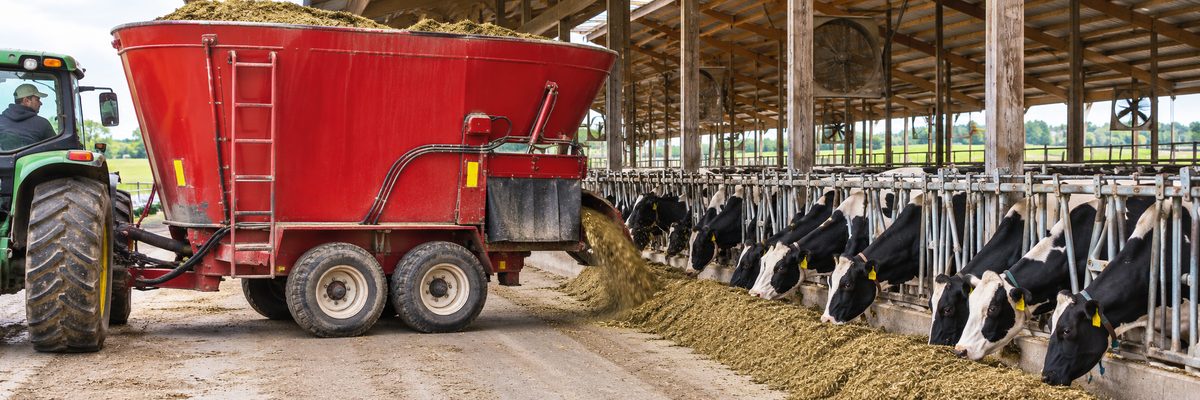
A fresh cow has one job in the first month: eat. Milk production climbs faster than appetite does, so she is almost always in an energy hole, and the faster she climbs out, the better her whole lactation tends to go. Everything about feeding the fresh pen comes back to getting dry matter into her and keeping it there.
Fresh cows are the teenagers of the barn: hungry, moody and convinced the bunk is too far away. Here is how that looks on a working dairy, from the hour after calving to the end of the first month.
The first hours after calving
Water first. A cow that has just calved is dehydrated and wants a lot of it, and she will often drink more than at any other time. Make sure the waterer is close to the calving pen, clean, and full-flowing. Some farms offer warm water in winter to encourage drinking, which is a small touch that cows seem to appreciate more than the humans.
Offer good-quality forage right away, and keep feed in front of her. Many herds also use an oral drench or similar fresh cow supplement. What goes into it, and whether it makes sense for your herd, is a question for your vet and nutritionist, since the wrong product given the wrong way can do harm. Follow your fresh cow protocol and have the vet review it.
Watch the cow, not the clock
Every herd has a fresh cow routine with scheduled checks. The routine matters, but so does the cow in front of you. If one is standing off by herself with her head down, sunken in the flank and ignoring a fresh bunk, she is telling you something. The first 14 days of checks are covered in post-calving cow checks for the first 14 days.
The fresh cow ration
The fresh pen ration usually has more energy density than the dry cow diet but is not yet the full high-group ration. Cows need time for their rumens to adjust to more starch, and rushing the change is how you end up with acidosis. Common features of a fresh cow ration include:
- Palatable, high-quality forage. Cows that are reluctant to eat will go for the feed they like first.
- Gradual grain step-up. Intake of concentrate is raised over days, not overnight, based on your nutritionist's plan.
- Adequate effective fiber. This keeps the rumen working and the cow chewing.
- Balanced protein and minerals. They support milk production and immune function.
- Possible use of fat, buffers or yeast products. Some herds add these, but whether they pay depends on the herd and the ration.
Dry matter intake for fresh cows climbs for weeks after calving, and peak intake usually arrives well after peak milk. Know the general intake figures from how much dry matter a dairy cow eats so you can tell if a pen is behind.
Bunk management in the fresh pen
This is where good rations get ruined. Fresh cows are fussy and easily pushed aside.
- Deliver fresh feed on schedule and push it up often. See how often to push up feed.
- Pull refusals daily and weigh them. A pile of leftovers is data, even if it smells like a verdict. If sorting is the problem, why cows sort their feed and how to stop it explains the fixes.
- Keep stocking density low. Fresh cows should have a bunk spot and a stall.
- Keep bedding clean and dry and keep the pen cool in summer. Heat stress and fresh cows are a bad mix, and cows in the Southeast and Southwest feel it earlier and longer.
Health problems that start at the feed bunk
Several fresh cow problems have a feeding link, and early detection pays:
- Ketosis. It shows up when cows mobilize too much body fat. Poor intake is both a cause and a sign. See how ration changes help with ketosis, and ketosis treatment for the vet-led side.
- Low blood calcium. Cows may be weak, cool, or down. This is a vet call. Prevention is a close-up issue.
- Displaced abomasum. Often seen with reduced intake, ping on the left side, and low manure output. A vet needs to see it.
- Retained placenta and metritis. They often cut intake and drop milk. Call your vet if a cow has fever, foul discharge or goes off feed.
- Subacute rumen acidosis. It can appear when grain is stepped up too quickly or feed is sorted. See signs of subacute rumen acidosis.
For any cow that is sick, treatment, drug choice and milk withdrawal decisions belong to your veterinarian. Treated cows have milk and meat withdrawal times that must be respected, and your vet can give you the specifics.
Week by week
| Period | Focus |
|---|---|
| Days 0 to 3 | Water, appetite, calcium watch, udder and uterine checks |
| Days 4 to 14 | Intake climbing, ketosis screening, manure and rumen fill, step-up of ration |
| Days 15 to 21 | Move toward the high-group ration if the cow is eating and healthy |
| Days 22 to 30 | Watch body condition loss, breeding plans, and milk peak approaching |
Cows differ. A first-calf heifer may take longer to settle in, and a high-producing cow may need a little more time before moving groups.
Body condition in the first month
Some body condition loss in early lactation is normal. Too much is a warning sign that intake is lagging. A fresh cow losing more than about a point of condition score in the first weeks is mobilizing fat quickly, and that raises the risk of ketosis and fatty liver, and often delays breeding. The scoring method is in how to body condition score your cows.
Testing and review
Several useful numbers can be pulled without much effort: milk yield by day, manure score, fresh cow health records, and milk components on the test. A drop in milk fat or protein, or high levels of certain markers, may reflect problems in the ration. Review these regularly with your nutritionist and vet. The University of Wisconsin dairy feed and nutrition resources and Penn State Extension's dairy pages carry fresh cow and transition material you can bring into the conversation.
If your fresh pen routinely looks like a hospital ward, the cause is rarely the cows. Look back at the dry and close-up pens first, since most fresh cow trouble starts weeks earlier.
Quick answers
How soon should a fresh cow eat after calving?
She should show interest in feed and water within hours and be eating steadily within a day. A cow that will not eat after calving needs a closer look and often a call to the vet.
When do fresh cows move to the high group?
Many herds move cows after one to three weeks, depending on health checks and intake. Your protocol and nutritionist can set the timing for your herd.
How much weight do fresh cows lose?
Some loss is normal in early lactation as the cow mobilizes body reserves. Large, fast loss is a red flag for low intake and metabolic disease.