Breeding, Genetics & Reproduction
Post-Calving Cow Checks for the First 14 Days
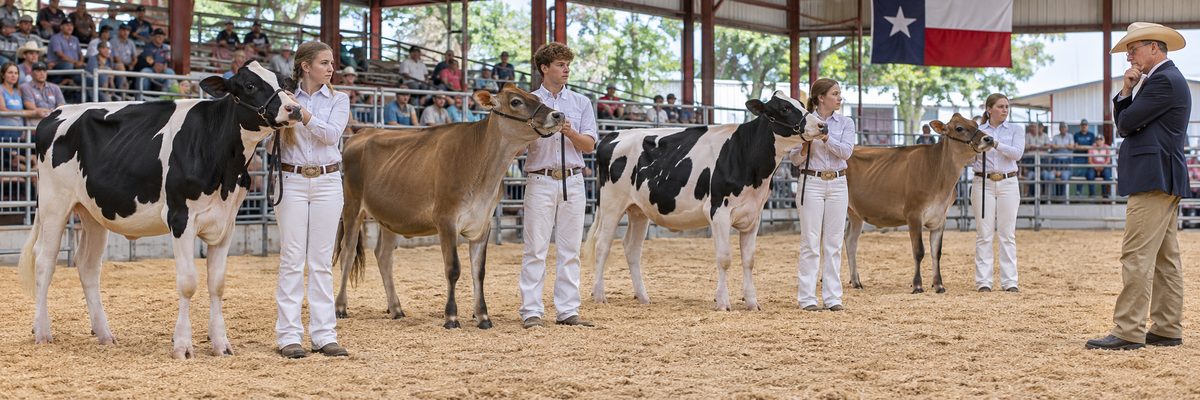
The first two weeks after calving decide a lot about the rest of the lactation. A cow that gets through them without a hiccup tends to peak high, breed back on time and stay in the herd. A cow that has trouble in those days often carries it for months, and the milk check shows it.
Fresh cow checks are the cheapest insurance in the barn, and the only kind that doesn't come with a deductible. They cost a few minutes per cow, they catch most problems while they're still small, and they give your vet a head start when a cow needs help. The routine is simple: look at every fresh cow every day, take a temperature on a schedule, track intake and milk, and write it down.
This article is general education about what to watch. Treatment decisions, drugs and milk discard are for your herd vet, and your herd's own protocol comes first. If you want a day-by-day protocol, the fresh cow check protocol for the first 10 days pairs well with this one.
Why these two weeks matter
A fresh cow's body is changing fast. Milk production is climbing, appetite is lagging behind, calcium is in short supply, the uterus is healing and the immune system is under strain. Most of the common transition diseases, including milk fever, retained placenta, metritis, ketosis and displaced abomasum, show up in this window. Many of them feed into each other. A cow with milk fever eats less, which sets up ketosis, which makes metritis more likely.
Prevention starts before calving, with good dry cow housing and close-up management and a sound transition ration, but the checks start the day she calves.
The daily routine
Pick one person, or a small team, and one time of day. Consistency matters more than cleverness. A reasonable routine includes:
- Look at the cow. Does she come up to the bunk? Is she bright, alert and chewing cud? A cow who stands apart, droops her ears or doesn't get up needs a closer look.
- Check rumen fill. The left side, behind the last rib, should look full and rounded, not hollow. A cow with a sunken left flank is eating less than she should.
- Check manure. It should be moderately loose and consistent. Very thin or very dry manure points to ration or health problems. Using manure scoring to check the ration explains what to look for.
- Check milk yield. A cow whose milk drops from one milking to the next, or who is well below fresh-pen herdmates, is telling you something.
- Check the udder. Heat, swelling, hard quarters or abnormal milk need attention. Signs of mastitis in dairy cows shows what to look for.
- Check the vulva and discharge. A normal discharge after calving is reddish brown and not terrible-smelling. A foul, watery or pus-like discharge is a warning sign for infection.
- Take her temperature on the days your protocol calls for. Many dairies check temperatures daily for the first week or longer, and a fever warrants a closer look. Ask your vet what threshold to use; a number commonly used for concern is a reading above about 103 degrees Fahrenheit, but your vet's guidelines are the ones that count. Normal ranges are in normal dairy cow temperature, pulse and respiration.
Write it down. "I'll remember" is how half the barn's records get kept, and half of them are wrong. A chart on the wall, a card on a clipboard or a herd management app all work. What matters is that tomorrow's checker can see what today's checker saw.
What you're looking for, problem by problem
Milk fever and low calcium
In the first day or two, a cow who's wobbly, cold-eared, reluctant to stand or lying with her head turned back may be low on calcium. This is an emergency. Signs of milk fever in fresh cows explains it, and your vet should be on the phone. A cow who goes down can get worse quickly.
Retained placenta
A placenta that hasn't passed within roughly a day is generally considered retained. Retained placenta in dairy cows covers why it matters. Don't pull it out by hand unless your vet tells you to, no matter how tempting it looks hanging there. Pulling can tear tissue and make things worse.
Metritis
Fever, a foul-smelling reddish-brown discharge, a drop in milk and a dull cow add up to possible metritis, typically in the first ten days or so. Metritis versus endometritis explains the difference. Treatment is a vet decision, and any drug used means milk withdrawal.
Ketosis
A cow who's eating poorly, losing weight quickly and dropping milk may be ketotic. Many herds use a cow-side ketone test on a schedule, and your vet can recommend one. Ketosis in dairy cows and how to treat it and how ration changes help go into detail.
Displaced abomasum
A cow with reduced appetite, reduced milk and a hollow left side may have a displaced abomasum, sometimes found by a high-pitched ping when the vet taps and listens. Displaced abomasum signs and treatment options has more.
A simple schedule
| Days in milk | Main focus |
|---|---|
| Day 0 to 1 | Calcium, colostrum collection, udder health, placenta passed, cow standing and eating |
| Day 2 to 5 | Appetite, rumen fill, temperature, discharge, milk yield, early ketosis |
| Day 5 to 10 | Metritis signs, ketosis testing per your protocol, displaced abomasum, intake climbing |
| Day 10 to 14 | Milk building, manure, body condition loss, lameness, ready to move to the main herd |
This is a general framework. Your herd vet can tailor it to your cows, your ration and your risk factors.
When to call the vet
Don't wait on a cow who's down, bloated, running a high fever, refusing feed for a full day or acting dull. When to call the vet for a sick cow goes through the triggers. Cows who need treatment should be moved to a clean spot, ideally a hospital pen, and treatments must be recorded. Withdrawal times and milk discard rules apply, and antibiotic withdrawal times and milk discard rules is a good overview. Always follow the label and your vet's instructions.
Mistakes to avoid
- Skipping checks on weekends and holidays. Cows don't observe them, and neither do transition diseases.
- Letting a different person check each day with no common record.
- Waiting for the milk drop to tell you something's wrong. By then, you're behind.
- Treating cows without recording. Keeping treatment records that pass an inspection shows what to write down.
For protocols and training materials, Cornell PRO-DAIRY and University of Wisconsin Extension's dairy program are good sources, and your vet can help build a protocol that fits your herd.
Quick answers
How often should I take a fresh cow's temperature?
Many dairies take temperatures daily for the first week or longer, but the schedule and the fever cutoff are best set with your herd vet. Fever plus a dull cow and a foul discharge calls for a closer look.
What is the most common problem in the first 14 days?
It depends on the herd, but retained placenta, metritis, ketosis and milk fever are among the most common. Catching them early comes down to daily observation and recorded checks.
When can a fresh cow move to the main herd?
Most herds move cows after about two weeks, once they're eating well, milk is building, and they've cleared the checks. Your own timing may be shorter or longer depending on barn space and vet advice.