Barns, Cow Comfort & Equipment
Seven Barn Fixes That Cost Less Than a Vet Call
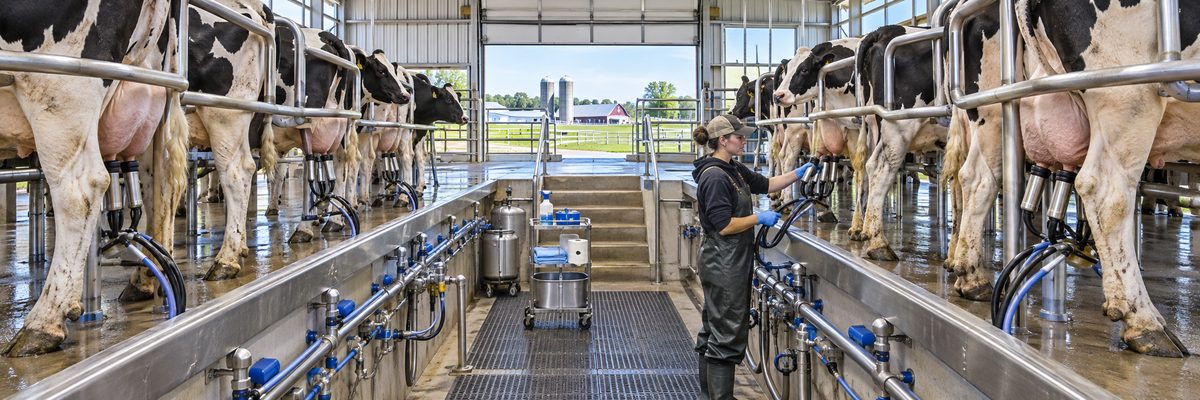
Every dairy has the same list taped to the inside of the farmer's skull: the new barn, the new parlor, the new roof. None of it is happening anytime soon. Meanwhile the cows are standing in the alley, and nobody wrote a loan for that.
Good news, which is rare in this business: a lot of what holds cows back is cheap to fix. A shovel, a few bags of bedding, a bit of welding, a can of paint and an afternoon can change how a barn works. The seven fixes below are ordered roughly from least effort to most, and every one of them tends to cost less than a farm call, a round of treatments and the milk you'd dump after it.
One caution up front. Cheap doesn't mean careless. Nothing here should create a sharp edge, a hot wire, a slick floor or a new place for a cow to get hung up. If a fix involves electricity, structure or a pit, hire somebody who does it for a living.
1. Fix the stall surface before you fix anything else
Rake, level and top up bedding every day. In sand barns that means keeping the surface up to the curb so cows aren't stepping up and over a hole. In mattress or mat barns, a handful of shavings or a little dry bedding on the surface helps keep knees and hocks off hard rubber. A stall that has been dug out into a pit at the front and humped at the back is a stall that cows won't use.
Deeper sand and fresh bedding are still ongoing costs, but they are costs you can scale up and down. A rebuild is not. Start by walking the rows and looking for the holes. The details on keeping things dry are in freestall bedding management.
2. Move the neck rail and brisket board
A neck rail set wrong makes cows stand half in the stall, lunge forward awkwardly or give up and lie in the alley. Adjusting it is mostly a wrench and a tape measure. Compare your placement to the extension guidance and to the size of your cows, which have probably grown since the barn went up. Neck rail and brisket locator placement explains how a few inches in the wrong direction becomes a daily problem.
Make one change at a time and watch cows for a week. If you move four things at once and cows improve, you won't know what worked; if they get worse, you won't know what to undo.
3. Grip the floor where cows slip
Slick concrete is a hidden tax. Cows shorten their stride, avoid turning and sometimes fall. A grooving contractor is the proper fix on a big area, but you can start with the places cows tend to slip: the parlor exit, the crossovers, the corner at the feed alley. Scraping more often, and keeping manure from sitting in a thin slick film, costs only labor. Read how to stop cows slipping on barn floors before you pick a fix, since the wrong one (too rough, for instance) can wear soles and cause its own trouble.
4. Add water where cows actually line up
Put a waterer where cows come out of the parlor, because that's where they head first. Clean the troughs more often than seems reasonable; scrub the algae and the feed scum that collects at the bottom. Check float valves and supply lines for anything that slows refill. A cow with a full rumen and a short drink is a cow with lower intake and lower milk. It's cheap to fix and rarely gets fixed.
5. Clear the light and the airflow
Cows like to see where they're going. Clean dirty light panels and windows, trim brush and tall weeds growing against the sidewalls, and remove junk stacked in front of openings. Dust on fans cuts their output and wears motors, so wipe blades and guards. Old cobwebs, feed bags and a stray round-bale wrapper can quietly cut airflow in a naturally ventilated barn. If you are thinking about more light, lighting for dairy cows covers what's worth doing and what is only a project.
6. Put in a cow brush, and make it your own
Cows love to scratch, and a brush is one of the cheaper ways to show it. Commercial brushes are not expensive compared with the usual barn item, but they must be mounted where cows can reach them without bunching up in an alley. If you're the kind of farmer who builds things from what's in the shop, you'll appreciate this farm.FM roundup of DIY farm inventions, a reminder that baling twine and a welder have solved more problems than most catalogs. Just keep any homemade scratcher free of sharp edges and loose bolts, because a cow will find every single one. For location and upkeep, see cow brush placement, upkeep and payoff.
7. Control flies and pests early
Flies cost cows rest. They stomp, switch and bunch, and that's time not spent eating or lying. Stop the breeding first: fix leaking waterers, clean wet corners, clear old feed from the edges of bunks and manage calf bedding. Barn cats and traps help with rodents. A plan that starts in spring is cheaper than a fly crisis in July. Fly control for dairy barns has the rest.
A quick cost-and-payoff guide
| Fix | Typical cost | Effort | What you should see |
|---|---|---|---|
| Stall surface upkeep | Bedding plus labor | Daily | More cows lying, cleaner flanks |
| Neck rail adjustment | Close to nothing | Hours | Fewer cows standing in stalls |
| Floor traction touch-ups | Low to moderate | Days | Longer strides, fewer slips |
| Extra waterer or cleaning | Low | An afternoon | Less queuing, better intake |
| Light and airflow cleanup | Mostly labor | An afternoon | Brighter, fresher barn |
| Cow brush | Low to moderate | A morning | Happier cows, less rubbing on hardware |
| Fly source control | Low | Weekly | Fewer flies, calmer cows |
Mistakes that turn cheap into expensive
- Changing a stall dimension without measuring a cow first.
- Adding electric wire or a charger near metal that cows touch without having the system checked. Stray voltage is a real problem and not a place to improvise.
- Using a treated or unknown material in bedding or feed areas without asking your vet or nutritionist.
- Skipping the follow-up. If you don't recount lying cows after the change, you are guessing.
For a place to start measuring, Penn State Extension's dairy program publishes housing and comfort resources, and your own extension dairy educator will usually walk the barn with you if you ask. Compared with a vet call, that's a bargain.
Quick answers
What's the cheapest way to make a dairy barn more comfortable?
Keep stalls dry, level and well bedded, and make sure cows can get a clean drink. Those two things cost mostly labor and tend to move rest time the most.
How do I know a fix worked?
Count lying cows in the same pen at the same time of day before and after, and watch for changes in cleanliness, lameness and milk. Give it a couple of weeks before you judge.
When is a cheap fix not enough?
When the problem is structural, like too many cows for the stalls, poor ventilation design or a floor that needs resurfacing. Then you need a plan, a budget and probably an adviser, not another weekend with a welder.