Barns, Cow Comfort & Equipment
Cow Brushes: Placement, Upkeep and Payoff
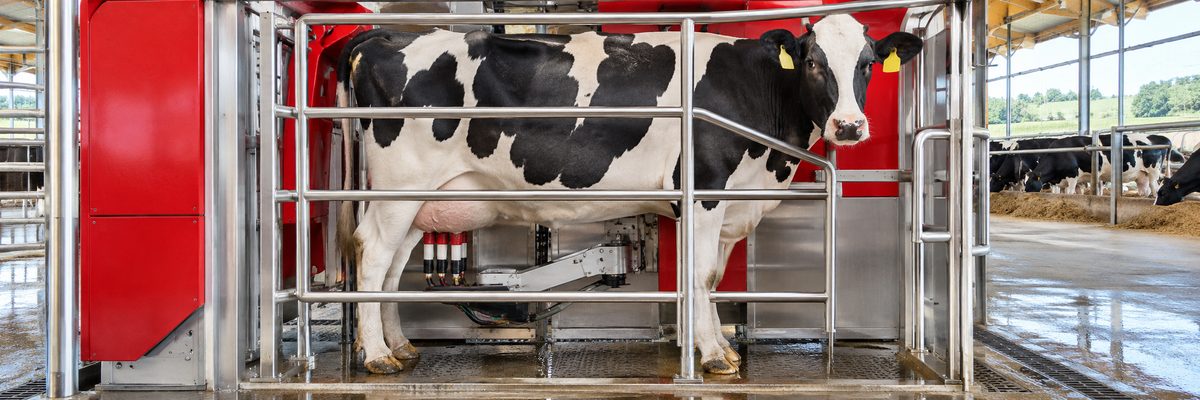
Cows will scratch on anything. Gate latches, feed rail bolts, the corner of the new curtain frame, the one sharp edge you meant to grind down last spring. A mounted cow brush gives them something made for the job, and in most barns cows take to it faster than a teenager takes to a new phone.
The short version: mount brushes where cows already walk and wait, set the bristles at shoulder and back height for your breed, give them room so a lower-ranking cow doesn't get cornered, and plan on a little maintenance every month. The payoff is mostly cow comfort. Anyone promising a precise milk response from a brush is selling something.
Why cows want a brush in the first place
Cattle groom themselves and each other, and they go after spots they can't reach with a tongue: neck, shoulders, back, the top of the tailhead. Skin itches from dust, dried sweat, bedding fines, flies, and shedding hair. A brush lets a cow work those areas on her own schedule, without waiting for a pen-mate to oblige.
Brushes also give cows a small, low-conflict activity in a day that is otherwise eat, lie down, wait, get milked, repeat. Watch a pen with a brush for ten minutes and you will see a line form. Dominant cows go first, and the rest wait their turn with the patience of folks in line at the feed store on a Saturday. That tells you the brush is wanted, and it also tells you how much room to leave around it.
What the research and field experience support is that cows use brushes readily and that it fits a comfort-first barn. Whether it moves milk, health events, or somatic cell count on your farm is a harder question, and the honest answer is that nobody can promise it. Treat the brush as a modest comfort upgrade, not a profit center.
Where to mount them
Placement decides whether the brush gets used or becomes a very expensive coat rack. Aim for spots with these traits:
- Cows pass it naturally. A cross-alley, the end of a freestall row, or the corner near the water trough. If cows have to detour past a bunk and a gate to reach it, many won't bother.
- Space on both sides. A cow that is scratching should be able to leave in any direction. A brush jammed in a dead end teaches the boss cow to guard it, and the timid ones never get a turn. This is the same logic behind good cross-alleys and dead-end avoidance.
- Away from the feed bunk and the stall rows. A cow rubbing at the brush shouldn't block someone trying to eat or lie down.
- Dry footing. Slick concrete and a crowd of scratching cows is how a hip gets hurt. Check the floor first, and if it's slick, fix that before you add a brush. Stopping cows from slipping comes ahead of any accessory.
- Not over a wet spot. Water, manure splash, and a motor don't get along. Mount it where wash water won't hit the housing.
Comparing common spots
| Location | Upside | Watch out for |
|---|---|---|
| End of a freestall row | Cows pass it constantly; easy to mount on a post or wall | Can cause backups at the stall end if the alley is narrow |
| Cross-alley wall | Open on several sides; low conflict | Skid steer and scraper traffic; protect it with a guard |
| Near the waterer | Cows are already stopping there | Splash, plus crowding at the water |
| Dry cow or fresh pen | Less competition; easy to observe use | Fewer cows to share the cost across |
| Parlor holding area | Cows linger there anyway | Hard to keep clean; cows should be moving, not parked |
Height, tilt and how many
The bristles need to touch the shoulder and back, not the ribs and not the sky. Holsteins, Jerseys, and Brown Swiss stand at different heights, and a pen of first-calf heifers is shorter than a pen of mature cows. Follow the manufacturer's mounting range, then stand beside it with a cow in the pen and adjust. If the cows are only using the bottom third of the brush, it's too low. If they are rearing up on it, it's too high.
Many brush designs pivot or swing so they flex when a cow leans in, which helps with different heights and reduces strain on the motor. Whatever type you buy, ask about the start-up behavior: a good brush spins up when a cow pushes on it and shuts off after a short run, so it isn't spinning empty all day.
As for numbers, one brush will not serve a big pen. Cows queue for it, and a crowded pen with one brush just produces a bully with clean shoulders. Ask the dealer what ratio they recommend for your group size, and then watch use. If you see steady waiting, add another one on the far side of the pen rather than next to the first.
Upkeep that keeps it running
A brush has moving parts, an electric motor, and a hundred cows that don't care what it cost. A short routine helps:
- Weekly glance. Look for tangled hair, twine, ear tags, or a loose bolt. Pull any wrapped debris out of the shaft ends before it chews a seal.
- Monthly check. Confirm the mounting hardware is tight, bristles aren't flattened or missing, and the motor housing is clean and dry. Grease anything the manufacturer says to grease, and nothing it doesn't.
- Seasonal. Replace worn bristles, check cords and conduit for rodent damage, and test the shut-off function. Add it to your seasonal barn maintenance checklist so it doesn't get forgotten.
Electrical safety matters here. The barn is wet, and cows are sensitive to small voltage differences. Have an electrician confirm the circuit is properly protected, and if cows act spooky around the brush or avoid it entirely, rule out electrical trouble before you blame the cows. The causes and checks are covered in finding stray voltage in a dairy barn.
Mistakes that waste the money
- Mounting it in a corner with one way in and out.
- Putting it in the middle of the busiest alley, then wondering why the scraper operator is irritated.
- Skipping a guard on the motor housing and learning how strong a 1,500-pound cow is.
- Letting the bristles wear down to stubble. A bald brush is a very slow back scratcher.
- Forgetting that people need to get around it for cleaning. If you can't hose it down safely, it won't get hosed down.
- Expecting it to fix a barn problem. Itchy cows can be telling you about flies, lice, mange, or dusty bedding, and a brush only treats the symptom.
If you can't picture a barn full of cows getting the spa treatment, this farm.FM cowboy poem about bulls in the beauty salon will help. The real version at your place involves fewer rhymes and a lot more hair in the gearbox.
Before you buy, run the cheap version of the test: walk the pen at a quiet time and note what cows are rubbing on now. That tells you where they want a brush. The one-hour cow comfort walk-through is a good way to find those spots, and plenty of fixes on the cheap barn fixes list may deserve to go ahead of a brush in your budget.
For broader background on housing and cow comfort, the University of Minnesota Extension dairy pages are a solid starting point.
Quick answers
Do cows really use cow brushes?
Yes, in most barns they take to them quickly, and you'll often see a line form. Use tends to be highest in the first weeks and settles into steady daily use. If a brush sits idle, check placement, footing, and electrical issues.
Will a cow brush increase milk production?
There's no reliable promise of a milk bump, and it would be wrong to count on one. Think of it as a comfort improvement. Healthier skin, less rubbing on equipment, and a calmer pen are the realistic goals.
Can heifers and dry cows use the same brush as the milking herd?
Often yes, if the mounting height fits the animals using it. Younger heifers are shorter, so a brush set for mature cows may be useless to them. Many farms set up brushes by pen so height and use match the group.