Grazing, Organic & Small Dairies
Pasture Dairying in the Southeast and Southwest: Heat and Forage
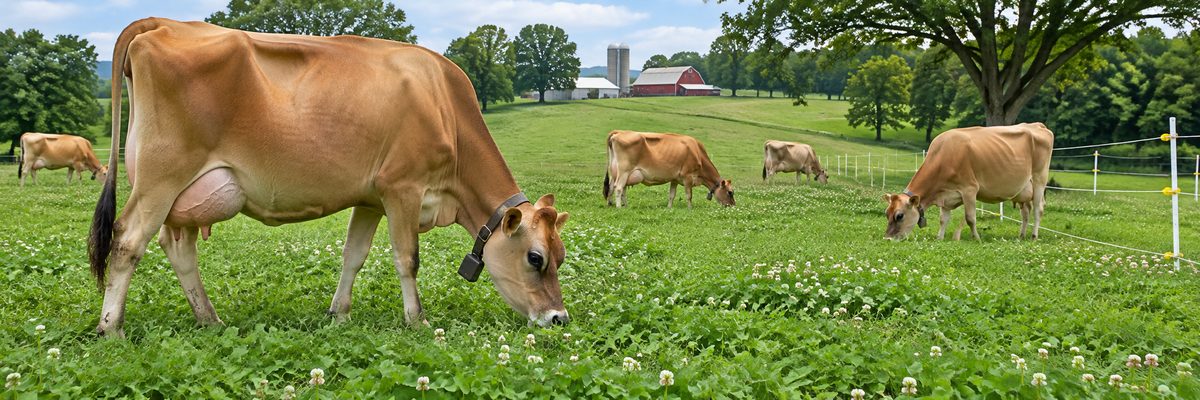
Grazing advice written for Wisconsin and Vermont tends to fall apart somewhere around the Mason-Dixon line. Cool-season grasses stop growing in July heat, cows stop milking in the same heat, and the humid Southeast and the dry Southwest each add their own special problems.
The good news is that pasture dairying works in hot country, but it runs on a different calendar. You graze warm-season grasses through the summer, fill the cool season with winter annuals, protect cows from heat with shade, water and timing, and accept that milk per cow may be lower than in a cooler climate in exchange for lower feed and facility costs. The details vary a lot between the Gulf Coast, the Piedmont, the Texas plains and the irrigated valleys of Arizona and New Mexico, so treat what follows as a framework and check with your local extension office.
Warm-season grasses do the summer work
Perennial warm-season grasses grow when cool-season ones quit. In much of the South, bermudagrass is the workhorse, and hybrid varieties can produce a lot of forage when fertilized and managed. Bahiagrass is tougher and lower-input but generally lower in quality. Crabgrass, a weed to some and a good summer pasture to dairy graziers, volunteers where it's allowed. Summer annuals like pearl millet, sorghum-sudan hybrids and forage sorghums can fill gaps, but some prussic acid and nitrate risks come with sorghum types, so ask your extension agent before grazing them, especially after frost or drought stress.
Warm-season grasses have a downside. They tend to be lower in quality than a good cool-season stand, especially as they mature, which makes timing and rotation more important. Graze them young and leafy, don't let them get stemmy, and keep the rotation moving. For more on species selection by region, best pasture mixes for dairy cows by region is a useful companion.
Cool-season forage fills the gap
In the Southeast, winter annuals such as ryegrass and small grains (oats, rye, wheat), often with clover, produce the best milk-making forage of the year from fall to spring. Many hot-country grazing dairies run two systems in a year: warm-season perennial pasture in summer, overseeded or separately planted winter annuals in cool weather. It takes planning and seed money but it's how you get good grass year-round.
In the upper South and transition zone, tall fescue is common, and many fescue stands carry an endophyte that can reduce animal performance and cause problems in hot weather. Novel-endophyte varieties exist and are worth asking about before you renovate a stand. Your extension forage specialist can tell you what's in your pasture.
If you'd rather get your pasture philosophy in verse, this farm.FM piece on pasture management in Texas pairs cowboy poetry with management wisdom, which is more than most pasture bulletins offer, though it won't tell you your bermudagrass nitrogen rate.
Heat is the real constraint
High-producing dairy cows make a lot of internal heat, so hot and humid weather drops intake, milk and fertility. Pasture offers less cooling than a barn with fans and sprinklers, so heat management has to be built into the grazing system. Key tools:
- Shade. Trees, shade structures or portable shade in the paddocks cows use during the heat of the day.
- Water. Plenty of it, close, and with enough flow that a herd can drink fast. A trough that fills slowly is a bottleneck in July.
- Night and early-morning grazing. Many hot-country dairies graze after the evening milking and into the morning, then bring cows into shade, a barn or a cooled holding area for the heat of the day.
- Cooling at the parlor. Fans and sprinklers in the holding pen help a lot and don't need a full freestall barn.
- Lower stocking pressure and shorter walks. Long walks on hot days cost milk.
The details are in shade and water for grazing cows in hot weather. Humid regions such as the Gulf Coast and Florida make evaporative cooling less effective, so rely more on shade and air movement.
Southwest: water is the whole question
In the arid Southwest, pasture dairying usually means irrigated pasture or a grass-based system supplemented with stored feed. Rainfall alone won't carry a herd in most places, and water costs, availability and rights shape everything. Sprinkler or pivot irrigation on pasture can work, but the cost of water and power has to fit the milk check. Dry-lot dairies with high-producing cows are the norm in many parts of the region, and grazing may serve as a supplement, a heifer-raising system or a niche, such as organic or direct-marketed milk. Droughts happen, so build a drought plan with a trigger point for when you reduce herd size, buy feed or move animals, before the pasture is bare, not after.
Cows that fit hot country
Breed matters more as heat rises. Jerseys and Jersey crosses generally handle heat somewhat better than large Holsteins, and some graziers in the South use crossbreds with heat-tolerant genetics, including Zebu-influenced lines. Smaller, moderate-framed cows suit grass systems anyway. Best cow breeds and crosses for grazing dairies covers the options, and your local extension and dairy cooperative will know what performs on your land.
Calving timing
Heat hurts fertility, so many hot-country grazing herds shift calving to fall or winter, which puts breeding in cooler weather and peak milk when winter annuals are at their best. Seasonal calving on a grazing dairy covers pros and cons, and you'll want to adapt it to your climate.
Common mistakes
- Applying a northern grazing plan without adjusting for summer growth and heat.
- Letting warm-season grass get tall and stemmy.
- Putting shade at one end of the farm and water at the other.
- Planting sorghum types without checking the prussic acid and nitrate rules for your situation.
- Having no drought plan until the drought arrives.
Where to get local help
Your best local source is your state's land-grant extension service. For example, University of Florida dairy extension and Virginia Cooperative Extension cover forage and heat issues for warm and transitional climates, and your local county agent can help with soil tests, species and fertilizer plans.
Quick answers
What grass is best for grazing dairy cows in the South?
Bermudagrass and bahiagrass are common summer perennials, with ryegrass, small grains and clover used in the cool season. The right mix depends on your soil, rainfall and management, so ask your extension office.
How do I keep grazing cows cool in hot weather?
Combine shade, plenty of nearby water, night or early-morning grazing, and fans and sprinklers at the holding pen. Cows with a long walk to water or shade will lose milk.
Can you graze dairy cows in the desert Southwest?
Yes, with irrigated pasture and a plan for water costs, though many large dairies there rely on dry lots instead. Grazing works best at smaller scales or in niche markets where the economics hold.