Youth, Shows, Careers & Dairy Life
How Dairy Showmanship Is Judged
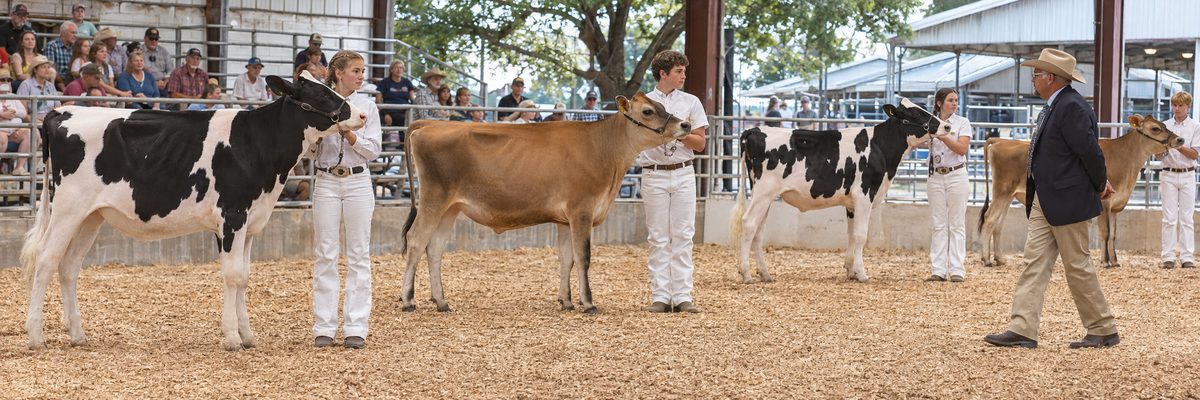
In showmanship, the judge is grading you, not your heifer's pedigree. It's the one class where the plainest animal in the barn can win if her showman has her clean, calm and posed well. Conformation classes ask which animal is the best dairy animal. Showmanship asks who did the best job of presenting the animal they have.
The judge looks at three things at once: how the animal is fitted (clean, clipped, groomed, in good condition), how the exhibitor looks and behaves, and how the animal is led, posed and shown in the ring. Mistakes are weighed by how serious they are. A small slip may not change your placing at all, while a serious one can push you to the bottom of the class.
The older scorecard: a 100-point split
For years, junior dairy cattle showmanship was scored on a 100-point scorecard from the Purebred Dairy Cattle Association. The University of Georgia extension bulletin on fitting and showing dairy animals reproduces the older version, and it's still a useful picture of what judges care about:
| Category | What it covers | Points |
|---|---|---|
| Appearance of the animal | Cleanliness (10), grooming (10), clipping (5), condition and thriftiness (5) | 30 |
| Appearance of the exhibitor | How the showman looks and is dressed | 10 |
| Showing the animal in the ring | Leading (25), posing (15), showing to best advantage (10), poise, alertness and attitude (10) | 60 |
Read that table again. Sixty of a hundred points were for what you do in the ring, and only thirty were for how the animal looked. A showman who washes the animal well but fumbles the setup loses a lot more than someone with a so-so clip and a steady hand.
The newer approach: levels of faults
According to the same bulletin, the newest PDCA scorecard moves away from point categories and instead uses levels of discrimination for both the animal and the exhibitor: slight, moderate and serious. The effect on placing is described plainly. Slight discriminations may not affect a placing, moderate ones may, and serious ones have a significant impact, normally moving an exhibitor into the bottom half of the class. An exhibitor can also be disqualified for violating the show ring code of ethics, unsportsmanlike conduct or repeatedly striking the animal.
Here are examples from the bulletin, grouped by how much trouble they cause.
Slight faults
- Stiff, outstretched arm or poor posture.
- Animal's head carried too high.
- Muzzle not wiped clean, or switch not brushed and fluffed.
- Clipping lines not properly blended.
Moderate faults
- Non-white or attention-drawing clothing, or clothing with a logo.
- Not knowing the animal's birth date, fresh date, breeding date or due date.
- Halter not fitting properly.
- Failing to switch rear legs when the judge moves around.
- Crowding or bumping others in line, or leaving extra space.
- Legs not clipped, dirt or wax in the ears, feet not cleaned, or excessive use of hair sprays and powders.
- Clipping too early so the hair looks long, incomplete clipping or excessive clipping.
Serious faults
- Lead strap looped and fastened.
- Striking the animal, or positioning her rear legs by stepping on her feet.
- Fussing with or moving the animal to the extreme.
- Being late to class, wearing inappropriate shoes, or using a cell phone in the ring.
- An animal that causes disturbances to others.
Notice how much of that list is about behavior and preparation, not talent. Somebody had to write down that cell phones don't belong in the ring, which tells you somebody tried it. You can fix nearly all of it with practice. If your show uses a different scorecard, the show book will say so. Shows vary by state, breed association and fair, so check the rules before you arrive.
What judges are looking for in the ring
Beyond the scorecard, judges tend to reward a handful of simple things: an exhibitor who keeps the animal between self and judge, shows at a steady pace, sets the animal up quickly, adjusts legs when the judge changes sides, and stays aware of other animals. Judges also notice an exhibitor who stays calm when the animal doesn't. A heifer that swings her head or steps sideways is normal. A showman who yanks and scolds is not.
You might also get questions. Judges are often interested in how much you've learned from preparing your animal, so be ready to talk about her pedigree, diet and conformation, as the bulletin notes. You're also expected to know what the animal's flaws are and show around them.
Goat showmanship
Dairy goat showmanship follows the same idea. The American Dairy Goat Association's guide to dairy goat shows says that in showmanship the judge considers the appearance of the animal and the exhibitor as well as the actual showing, looking for the exhibitor who shows the animal to best advantage without undue fussing and maneuvering. That phrase, "without undue fussing," is worth a sticky note on your show box. See setting up a dairy goat for showmanship for the goat side.
How to use this to improve
- Read the scorecard your show uses, then go through your own habits against it.
- Videotape or have a friend watch a practice session and call out faults.
- Fix the cheap faults first: clothing, clean ears and feet, a neat lead, a clean muzzle.
- Learn your animal's birth date, breeding information and flaws.
- Ask the judge, politely, after the class, what you could improve.
For practical habits to put into your routine, dairy showmanship tips for first-year exhibitors is a good starting point, and mistakes first-time dairy showmen make and how to fix them catalogs the ones that cost the most. If you want to know how classes are divided, see dairy cattle show classes explained by age and division. Sources for this article include the University of Georgia bulletin Is Your Heifer Fit to Show? and ADGA's guide to dairy goat shows.
Quick answers
Does the animal matter in showmanship?
Yes, but not as conformation. The animal's cleanliness, clipping, condition and behavior count, but the judge is mostly grading how well you present her. A plain animal that's well fitted and well shown can beat a better one that's poorly handled.
Can a judge disqualify me?
Yes. Reasons include violating the show ring code of ethics, unsportsmanlike conduct and repeatedly striking the animal. Treat the animal and the other exhibitors with respect and you'll never have to think about it.
What if my heifer misbehaves in the ring?
Stay calm, keep her under control and keep showing. A small disturbance is normal, and judges see it all the time. If she's disrupting the line, it's acceptable to pull her out and replace her, as long as you do it without bumping others.