Youth, Shows, Careers & Dairy Life
FFA Dairy SAE Project Ideas That Actually Work
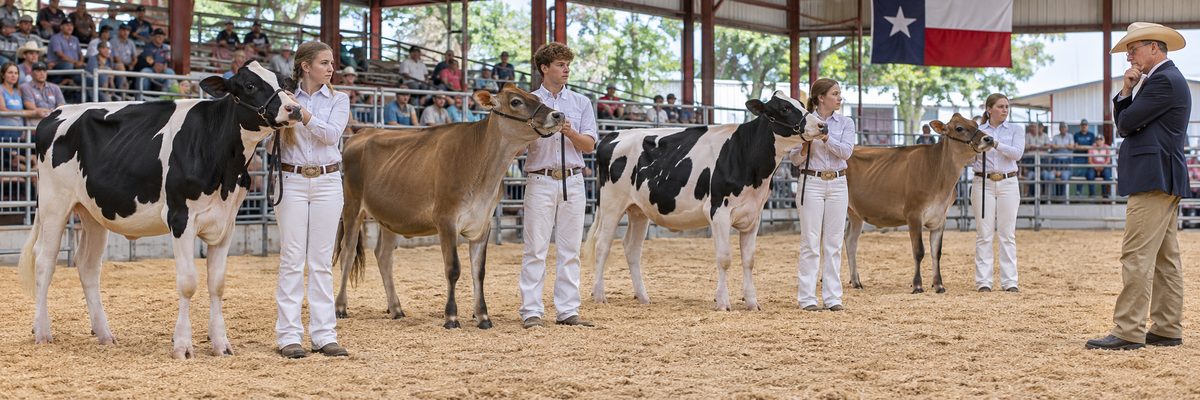
The best dairy SAE is the one a student will still be doing in February. Plenty of project proposals look great on paper and fall apart the first time the barn is cold and the bus is late. The ideas that last tend to match the student's real access, such as a farm to work on, a calf to raise, a question to answer or a program to serve, and they come with an advisor who has seen the pitfalls before.
FFA's SAE for All framework gives members a lot of room. Students start with a foundational SAE that covers career exploration, financial planning, workplace safety, employability skills and agricultural literacy, and they can build one or more immersion SAEs on top of it. The immersion categories are placement or internship, ownership or entrepreneurship, research, school-based enterprise and service-learning. You can read the official descriptions at SAE for ALL and on the National FFA SAE page, and your agriculture teacher will know how your state and chapter handle the details.
Below are dairy-based ideas for each category, with honest notes on what makes them work and what trips students up.
Placement and internship ideas
Placement means working for someone else, usually for pay or experience, in a real agricultural business. For dairy, that opens a lot of doors.
- Calf care at a local dairy. Feeding, bedding, health checks and record keeping in the calf barn. It teaches routine, observation and responsibility, and it is a great way to learn newborn calf care from people who do it daily.
- Milking parlor or herd assistant. Learn parlor routine, milk quality and cow handling. Make sure the employer is willing to train and follows safe handling practices. Start with dairy farm safety rules for kids and teens.
- Feed and forage crew member. Learn about silage, TMR mixing and bunk management, which ties into forage inventory and ration basics.
- Veterinary clinic or dairy herd health assistant. Observation and support work with a large-animal practice that serves dairy farms. Some students use it as a stepping stone toward vet school, which fits with the path from 4-H to vet school.
- Creamery, cheese plant or milk hauler ride-along. Dairy does not end at the farm gate. A processing placement shows what happens to the milk afterward.
Ownership and entrepreneurship ideas
These projects put the student in charge of an enterprise, with real money coming in and going out. That is where the business lessons really happen.
- Raising dairy calves or heifers. Buy calves or raise your own, grow them to a target age and sell or keep them. Heifer raising is a real business, and what it costs to raise a dairy heifer to calving gives a sense of the line items. Check local rules about ownership, housing and animal health, and work with a mentor on the budget.
- Show heifer or breeding project. A student-owned or leased show animal, with records of costs and results. Choosing a first show heifer applies just as well to FFA members, and the same advice about leasing from a farm holds up.
- Dairy goat enterprise. Does, kids and a small milking operation, with attention to local rules on selling milk or goat products. The starter guide to a dairy goat herd covers the basics, and dairy goat milk markets and buyers shows where the product might go. Milk sales are regulated and rules differ by state, so check with your state dairy agency and your advisor before selling anything.
- Value-added dairy products where rules allow. Products like butter, cheese or ice cream must follow your state's licensing and food safety rules. Ask your advisor and state agriculture department what is allowed for a student enterprise before buying a single bucket.
- Custom forage or hay work. Baling, hauling or running equipment for local farms. Requires safe equipment training and supervision.
Research ideas
Research SAEs ask a question and answer it with data. The tricky part is choosing a question that can actually be answered in one school year with the resources at hand.
| Possible question | How to approach it | Pitfall |
|---|---|---|
| Does bedding type change how clean calves stay? | Compare two bedding materials in similar pens using a consistent scoring method. See nesting scores for calf bedding. | Too few animals or uneven pens muddy the result |
| How does feed cost per cow change with forage quality? | Collect forage test and ration data from a cooperating farm and compare. | Needs honest farm records and the owner's permission |
| Which cooling method best reduces heat stress signs? | Observe cow behavior and barn temperature, with farm approval. See reading cow behavior to spot heat stress. | Weather changes every day, so build in careful notes |
| How do calf growth rates compare across feeding programs? | Weigh or measure calves on a schedule with consistent methods. | Animal welfare comes first; do not withhold anything that harms a calf |
Research needs approval from the farm owner and guidance from your advisor, particularly where animal health is involved. Nothing in an SAE should put an animal at risk to prove a point.
School-based enterprise and service-learning ideas
- School-based dairy foods enterprise. If your school has a lab or program, a student-run product such as a dairy foods sale, with food safety and licensing handled correctly.
- Dairy awareness events. Organizing a farm visit day for elementary classes, a calf display at a community event or a dairy breakfast. Service-learning ties the work to a community need.
- Youth dairy clinic. Teach younger members halter training or showmanship basics, which pairs naturally with dairy showmanship tips for beginners.
- Farm safety campaign. Build materials for younger students using manure pit gas and confined space safety as the source material.
How to pick one that sticks
- Start with access. What do you actually have: a farm to work at, space, a mentor, a way to get there? Pick the project that fits that, not the one that looks best on a poster.
- Pick something you will want to talk about. Interest carries a student through the boring weeks.
- Talk to your advisor early. Chapter and state requirements for records, supervision and awards differ, and an advisor can steer you to what is realistic.
- Set up a record system on day one. Costs, hours, income, notes and photos. Dairy record keeping habits transfer straight to an SAE.
- Plan for the awards and degrees if you want them. Many SAE records feed into proficiency applications and degree requirements, so ask your advisor what your chapter needs.
- Have a backup plan. Calves get sick, jobs end and heifers do not follow schedules. A flexible project survives surprises.
Mistakes to avoid
- Choosing a project because it is flashy and then finding there is no barn to put it in.
- Forgetting that a dairy animal needs care on weekends, holidays and the morning of the biggest test of the semester.
- Skipping records until the deadline, then trying to remember what the feed cost in October.
- Letting a parent or boss do the thinking. The student should make the decisions, with guidance.
- Ignoring safety. Cattle are big, and even calm ones step on feet.
Quick answers
Can I do a dairy SAE without owning cows?
Yes. Placement, research, school-based and service-learning projects do not require ownership. Working at a dairy, assisting a vet or running an awareness project all count as valid options in many programs. Check with your advisor.
How much does a dairy SAE cost?
It depends on the type. Placement costs almost nothing and can pay you, while owning calves or heifers requires money for animals, feed, vet care and housing. Build a budget before you commit.
What records do I need to keep?
Track hours worked, money in and out, animal health and growth data, skills learned and photos. Ask your advisor what your chapter and state require, and start the habit early.