Milk Fat and Protein Depression: Feed Causes
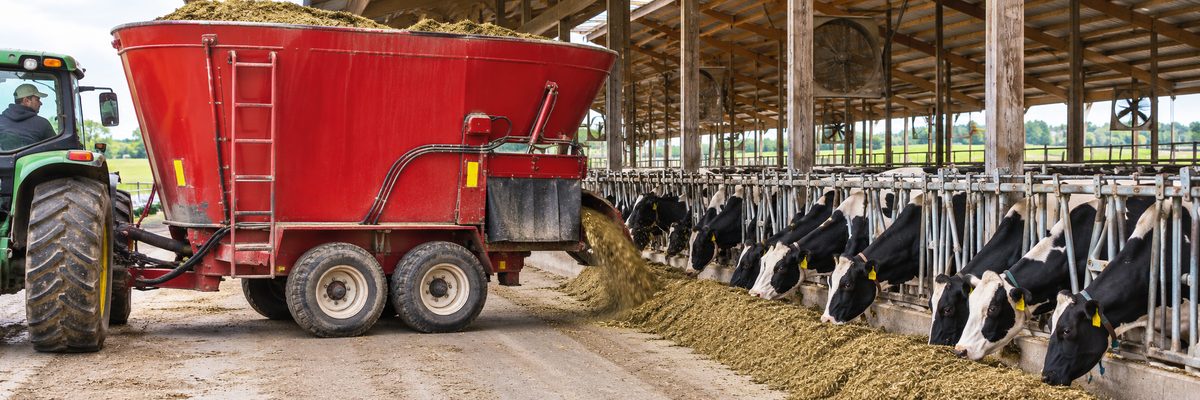
Your milk fat test slid half a point, the milk plant sent a polite note, and the check came in lighter than expected. Before anyone blames the hauler, the lab or the phase of the moon, start with the feed. In many herds the cause sits somewhere between the mixer and the bunk.
Milk fat is the most variable component in the tank, and it responds quickly to rumen conditions. Milk protein is steadier. When fat drops and protein stays put, the rumen is the usual suspect. When both fall, energy intake is the first thing to check.
Here is a working list of diet and feeding causes, in rough order of how often they show up, and how to track them down.
First, Confirm It Is Really a Drop
Penn State Extension gives typical herd tests: milk fat above 3.7 percent and protein above 3.0 percent for Holsteins, and fat above 4.9 percent and protein above 3.8 percent for Jerseys. A herd fat test more than 0.3 percentage points below breed average can point to a problem, and two or three low milk-handler tests in a row should be treated as one. Check pens as well, since only one group may be affected.
Seasonal change is normal. The University of Wisconsin dairy team reports that national data shows a yearly rhythm in milk fat, peaking around January and varying by about 0.15 to 0.30 percentage points through the year. So compare against your own history, not just against a book number.
Pounds of components matter more than percentages for your check, a point Penn State makes too. A herd with more milk and a lower test can still ship the same pounds of fat.
The Two Big Mechanisms
Wisconsin extension explains that diet-induced milk fat depression hinges on two factors: a change in rumen pH that shifts the microbial population, and a dietary source of polyunsaturated fatty acids (PUFAs).
PUFAs occur naturally in many feeds and can harm fiber-digesting bacteria. Rumen microbes normally convert them to saturated fats in a process called biohydrogenation. When the system is overwhelmed, or rumen pH is low, bacteria switch to an alternate pathway that produces compounds, including conjugated linoleic acid, that shut down milk fat synthesis in the udder.
Most milk fat problems are some combination of the two. A single risk factor often does not cause trouble, but several stacked together do.
Feed Causes to Check
1. Too little effective fiber
Cows need enough long fiber to chew cud and make saliva. Penn State lists low fiber intake, low forage intake and low digestibility of forage fiber as causes. Their guidelines call for forage to make up no less than about 40 to 45 percent of ration dry matter in most situations. Cows eat pounds, not percentages, so a cow eating less than planned also takes in less fiber than the report shows. A cow that quietly eats four pounds less than the report assumes is also eating less fiber, and she will not file a complaint about it.
2. Particle size too fine
Overchopped forage or an overmixed TMR means short particles and little cud chewing. Penn State flags rations that are too fine as aggravating milk fat depression. Use a particle separator, as described in checking particle size with the shaker box.
3. Particle size too coarse
Coarse rations let cows sort, so the diet on paper is not the diet in the cow. Penn State notes that TMRs with coarsely chopped forage, balage and considerable hay can cause this. Sorting is the common thread.
4. Too much fast-fermenting starch
Wisconsin says excess starch lowers milk fat, most likely by altering the microbes and lowering rumen pH. Balance fast starch sources such as high-moisture corn with slower ones such as dry corn, and test fermented starch sources, since digestibility changes as they ferment. Penn State notes ration starch commonly falls between 24 and 28 percent of dry matter, though your nutritionist sets the number.
5. Unsaturated fats and oils
Wisconsin lists distillers grains, hominy feed, whole soybeans and some bakery and candy byproducts as ingredients high in PUFAs, and notes corn grain in corn silage, high-moisture corn and earlage can add to the load. Penn State adds that extruded, ground or pelleted soybeans, vegetable oils and some marine oils from fish meal may lower fat. Each is fine in moderation, and the total matters.
6. Protein or sulfur shortage
Penn State says a shortage of degradable protein can lower intake and fiber digestibility. Sulfur supports microbial amino acid production, and shortages can occur on rations heavy in corn silage or low-quality grass silage. Check your milk urea nitrogen alongside fat.
7. Swings in rumen pH from feeding management
Penn State says a steady rumen pH in roughly the 5.8 to 6.4 range supports a healthy microbial population, and that infrequent feeding, high starch or low effective fiber can push it around. This is where acidosis, slug feeding and empty bunks come in.
8. Energy shortfall in early lactation
Fresh cows mobilize body fat, which can raise milk fat early on, while cows in a deep energy deficit can see protein drop. That is a transition and fresh cow problem, so loop in your vet and nutritionist.
Troubleshooting Order
- Pull milk component data by pen, days in milk and lactation. Look for the pattern.
- Check what changed: new forage, new byproduct, new mixer operator, weather, new bunk schedule.
- Test forage dry matter and recheck the ration against what is actually fed.
- Run a particle separator on fresh feed and refusals.
- Watch the cows chew. Count cud chewers in the pen.
- Review the feed bunk schedule, push-ups and refusals.
- Work with your nutritionist to review starch, fat and PUFA sources.
- Make one change, then give it a couple of weeks before you judge it.
Milk fat can take a few weeks to climb back after the rumen settles, so do not keep changing the ration every three days. The cows hate surprises almost as much as the milk plant does.
Non-Feed Causes to Keep in Mind
Not every low test is a ration issue. Penn State lists milking equipment problems, improper sample handling, stage of lactation, season, genetics and mastitis as other factors. A new group of fresh cows or more late-lactation animals in the mix will shift the herd average without any ration change.
Milk price formulas also change what a fat test is worth to you, and that depends on your handler and federal order. For the money side, see what your milk is paid on and check your milk handler or USDA AMS for how your order prices components.
For deeper reading, see Wisconsin's key questions for troubleshooting milk fat depression and Penn State's guide to low milk fat and protein.
Quick answers
What is the most common feed cause of low milk fat?
A stack of small problems in rumen function, typically low effective fiber, fast-fermenting starch and unsaturated fat. Wisconsin and Penn State both stress looking at several risk factors together rather than one.
Does low milk fat mean my cows have acidosis?
It can, since low rumen pH is one of the main mechanisms, but it is not proof. Look at cud chewing, manure and feed intake, and involve your nutritionist and vet.
How long does it take for milk fat to recover?
Often a couple of weeks or more once the cause is corrected, depending on how long the problem went on. Keep records, and make one change at a time so you know what worked.