Youth, Shows, Careers & Dairy Life
Dairy Judging Contest Tips for FFA Teams
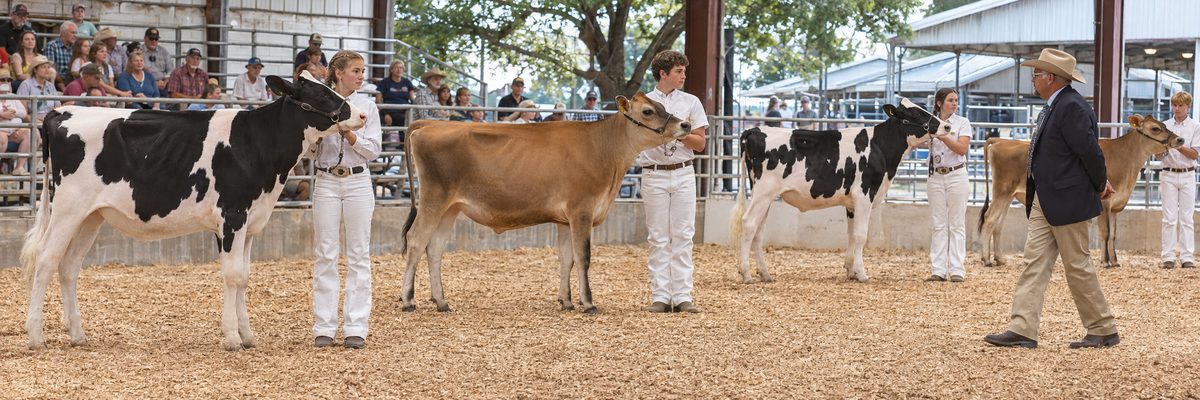
Teams that win dairy judging contests rarely have one star. They have four people who looked at a lot of cattle, wrote clear notes, gave honest reasons and did not panic when the fourth class turned out to be six animals that all looked alike. Talent helps. Repetition helps more.
This is written for an FFA advisor or a team member trying to turn a few practice sessions into real improvement. Contest formats vary by state and by level, so use this as a framework and pull the current rules from your state FFA association before you plan the season.
Know the format you are training for
The National FFA handbook for the dairy cattle evaluation and management event gives a good picture of what a big contest looks like. Individuals place six classes of dairy cattle on type, with a maximum of 50 points for a correct placing in each. Contestants may look at the animals from all angles but may not handle them, and they get a set number of minutes per class, with a little extra time on the classes where reasons will be given. Oral reasons are required on three classes, each worth up to 50 points, delivered in about two minutes with no notes. Classes can include production or pedigree data alongside the cattle.
The event also has team parts: a team activity where students act as consultants advising a producer on a farm management scenario, and a set of team practicums that can cover herd records, feeds and nutrition, genomic data, milking equipment, keep-or-cull decisions and more. The national FFA career development events page carries the current handbook, and the details do change, so read the newest version instead of last season's.
State qualifying contests are often simpler. Some are only placing classes and reasons. Ask your state staff or advisor what yours uses, and train for that first.
Build one viewing routine and use it every time
A class of four cows lasts about as long as it takes the ring steward to lose patience. A routine keeps you from spending ten minutes on a pretty udder and two on everything else.
- First look from the side. Overall balance, stature, topline, rump angle, feet and legs, udder depth.
- Move to the rear. Rear udder height and width, thurl width, leg set.
- Look from the front. Chest width, front end, dairy character in the neck and shoulder.
- Back to the side. Confirm your ranking, check how each cow walks, and write the comparisons.
The order matters less than doing the same thing every time. When you are nervous, the routine does the thinking.
Practice habits that raise scores
See real cattle, often
Photos and videos are useful for practice, but nothing replaces standing at a fence and sorting live cows. Ask local dairy families if your team can come judge a pen of heifers on a weeknight. Most dairy farmers will say yes, and then ask if anyone can run a skid steer.
Judge every practice class the same way
Place the class, write notes, give reasons right away, and then compare your placing to a coach or official judge. The goal of comparing is to understand the logic. "I was wrong" is just the start. "I was wrong because I overlooked foot angle and gave too much credit to size" is the lesson.
Practice reasons far more than you think you need to
Reasons are worth the same as a placing on each reasons class, and they are the part that improves fastest with practice. For the format and vocabulary, see this guide to giving oral reasons in dairy judging. Have each team member give a set in front of the others every practice, even if it only lasts a minute and a half and sounds like a hostage video.
Learn the priorities
Coaches commonly point students to dairyness or angularity, udder depth and support, foot angle, and rear udder height and width as high-priority traits. When two cows are close, the one with the better udder and sounder feet and legs usually earns the nod. To build that eye, start with how to judge udders, feet and legs, then work through each class.
Plan for the parts that are not placing
If your contest includes practicums, keep or cull decisions or a team activity, split the study so each student owns a couple of topics and teaches them to the rest. One person learns milking equipment and the California Mastitis Test. Another learns feeds and ration basics. Another takes herd records and genomic reports. A fourth learns the economics. In the consultant-style activity, the judges play the producer, so practice recommendations that are specific and realistic for a working dairy, not generic advice that fits any barn. The quiz bowl study guide overlaps with much of this, and good breed identification will help when a class includes breeds your team rarely sees.
Mistakes teams make
- Chasing one trait. Falling in love with one great udder and ignoring the dry-lot lameness in the same cow.
- Changing a placing at the last second. Your first full look is usually right. If you change, have a reason that you can name.
- Writing novels in the notes. You will not have time to read them. Short, comparative phrases.
- Skipping the data. If the class includes production or pedigree information, it is there for a reason.
- Practicing only the easy classes. Ask for tight classes too. You get better at close calls by losing a few of them in practice.
- Ignoring the dress code and etiquette. Official dress, a handshake and a polite thank-you cost nothing and count more than you would guess.
A simple season plan
| Phase | Focus |
|---|---|
| Start of season | Learn the scorecard, breeds, terminology and the contest format. |
| Middle | Weekly practice classes with reasons; one outside coach or judge if possible. |
| Last few weeks | Full-length mock contests under real time limits, plus practicum and team activity drills. |
| Week of the contest | Rest, light review, dress and travel plans. No new vocabulary. |
If your region has a gap in dairy cattle, as many parts of the Southwest and the South do compared with Wisconsin or Pennsylvania, plan travel to farms, shows or neighboring chapters. A team that only judges one herd learns that herd's type, and the contest will not be using that herd.
Quick answers
How many classes are in a dairy judging contest?
It depends on the event. The national FFA event has used six placing classes with oral reasons on three, while many state and local contests use four classes with reasons on one or two. Always check the current rules for your contest.
What is the best way for a beginner to improve?
Judge a live class every week, write short comparative notes, give reasons out loud and then compare your placing to a coach's. Repeat for a whole season and the difference is obvious.
Do I need to know all the dairy breeds?
Yes, at least well enough to apply the right breed standard. Classes can be drawn from any recognized dairy breed, and a Jersey is not judged the same way as a Holstein.