Youth, Shows, Careers & Dairy Life
Best Clippers and Blades for Fitting Dairy Cattle
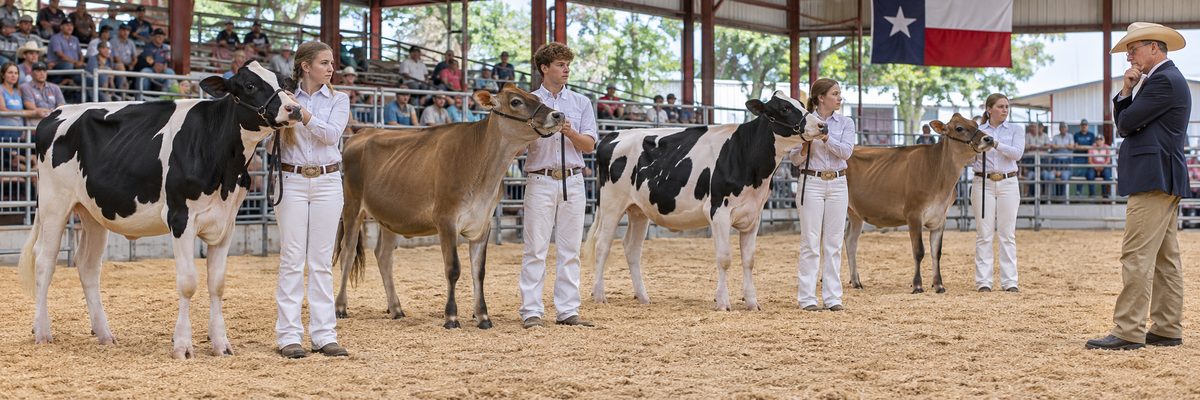
The best clippers for fitting dairy cattle are the ones that stay cool, cut cleanly through a thick coat and don't quit halfway down the second leg. You don't need the most expensive set on the market to get a good clip. You do need a heavy-duty clipper built for livestock, a handful of sharp blades and the habit of cleaning and oiling them every time. A cheap pet-grooming clipper will clip a heifer once and then start smelling like burning plastic.
Prices and models change constantly, so this article skips brand rankings and tells you what to look for. Ask your 4-H leader, the dairy club's fitters and the supply store near your fairgrounds which models they trust. Their opinions come from sore thumbs and burnt-out motors, which is better data than a product page.
What a youth fitting kit actually needs
- One full-size, heavy-duty clipper made for large animals. This is the workhorse for the body.
- Several clean blades in the sizes you'll use, plus a spare so you can swap when one heats up.
- Clipper oil and a blade wash or coolant to keep blades clean and cool.
- A small trimmer or finishing clipper for ears, face and around the tail head, if you can afford it.
- Topline scissors. The University of Georgia extension bulletin on fitting and showing dairy animals notes that topline scissors help with final touches without the fear of removing too much hair.
- A good brush for the topline. The same bulletin says a good brush is essential and that many exhibitors use something as simple as the classic Goody brush.
Think of the rest as nice to have. If the budget is tight, a second clipper can wait. The brush, the oil and the blades can't.
Corded or cordless?
Corded, heavy-duty clippers have long been the standard for body clipping a cow because they keep running at full power. Cordless clippers are convenient for touch-ups, especially around the head and legs, and nice in a crowded barn where a cord can snake under a hoof. Battery life, power and blade compatibility vary by model, so ask a user how it holds up through a full body clip before you buy. If you go corded, use a grounded outlet with protection suited to a damp barn, keep cords off the floor and out of water, and never leave clippers running while you walk away.
Understanding blades
Blades are sold by number, and as a general rule a higher number cuts closer. The exact cutting length for each number depends on the maker, so check the manufacturer's chart rather than guessing. Common practice is to use a coarser blade for the heavy body hair and a finer one for the head and ears, where you want a closer, smoother finish, though your own leader or fitter may have preferences. Ask a fitter which blades they use for the body, the head and the finishing passes, and buy those.
The University of Georgia bulletin gives a rule that applies whichever blade you use: clipping against the hair growth shortens the hair according to your blade, and clipping with the growth blends it. A blade set to leave a little extra length can be a friend on a topline, because blending takes some hair to work with. For the full routine, see how to clip a dairy cow for a show.
Where to save and where to spend
Spend on
- The main clipper. It does most of the work and takes most of the abuse. A reliable, serviceable model pays for itself over several shows.
- Extra blades. Blades dull and heat up. Having a spare means you can swap and keep going instead of pushing a hot, dull blade through a coat.
- Cleaning and cooling supplies. They're cheap and they extend blade life.
Save on
- Fancy extras until you've shown a season and know what you actually need.
- Brand new everything. Used clippers in good condition, borrowed gear from a club or a clipper someone is replacing can be fine, as long as the motor runs smooth, the cord is intact and the blades are sharp or can be sharpened.
- Specialty sprays and gadgets in the first year. You can learn the basics without a cart full of cans.
If you're weighing whether the whole project fits your budget, what a 4-H dairy heifer project really costs puts clippers in context, and leasing a show heifer when you have no barn may also tell you whose clippers you can borrow.
Keeping blades sharp and cool
- Clip a clean, dry animal. Dirt and manure dull blades faster than anything. Wash and dry first.
- Brush hair out of the blades often, and oil them according to the maker's directions.
- Check blade temperature on the back of your hand. A hot blade can burn the heifer's skin. Stop, swap and let it cool.
- Use blade wash or coolant as directed.
- Don't drop them. A nicked tooth leaves a stripe in the clip that you won't see until the judge does.
- Store them dry, clean and oiled in a case that keeps them apart.
- Have dull blades sharpened by someone who does it properly, or replace them.
The Georgia bulletin makes a point that applies here too: clipping should be done with patience to avoid injury to the clippers or the animal as well as clipper marks. Both clippers and cows are happier when you stop and fix a problem than when you push through it.
Pack a spare and a plan
Whatever you buy, bring a backup on show day. Clippers are never more likely to die than the night before a show, and they pick the moment you're alone in the barn with one leg left to do. Put them in your show box, and the dairy show box checklist will help you remember the oil, a cord and an extension cord that actually reaches the stall. For clipping methods and legal limits on toplines, the University of Georgia bulletin Is Your Heifer Fit to Show? remains the clearest extension source, and Washington State University's 4-H dairy cattle page links to clipping and showmanship resources.
Quick answers
What clippers do most dairy showmen use?
Most fitters use heavy-duty clippers sold for large animals, often from the livestock supply store or a grooming-equipment dealer. Ask your club which models work well for them, since reliability and service availability near you matter more than the logo.
How many blades do I need?
Plan on at least two or three sharp blades of the sizes you'll use, plus a spare, so you can swap when one heats up. A fitter or leader can tell you which sizes to start with.
Can I use dog or horse clippers on a dairy cow?
Light pet clippers usually overheat on a thick cow coat. Some horse-grade clippers can handle it, but check that the motor is built for heavy hair and that you can get blades for it. When in doubt, borrow a livestock clipper from your club for the first try.