Barns, Cow Comfort & Equipment
Flush vs Scraper vs Robot Manure Systems
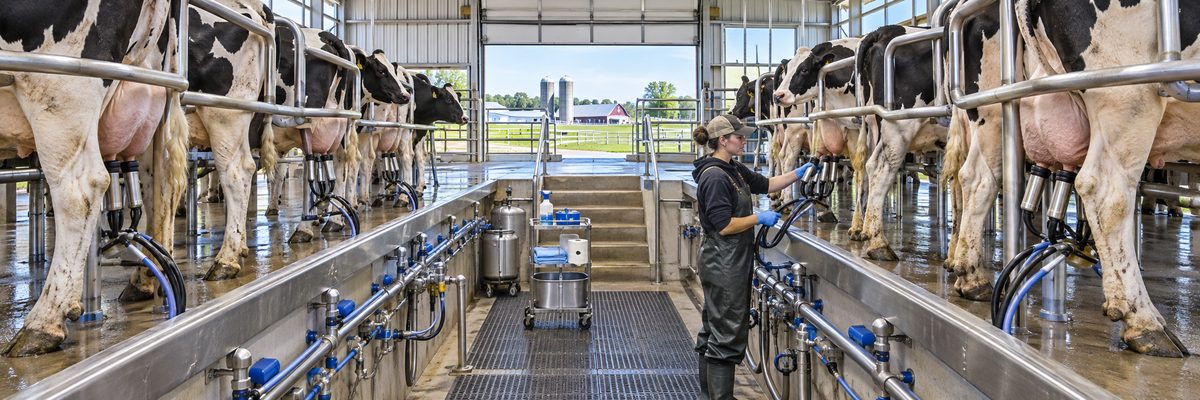
Every dairy makes manure, and every dairy has to decide how to get it from where the cow dropped it to where you can deal with it. The choice usually comes down to three families of systems: flush with water, scrape with a blade, or let a small robot putter up and down the alley. Each works. Each also comes with a price you'll pay in water, labor, or maintenance, and nobody gets all three for free, and the one that looks free is usually the tractor with a worn-out hydraulic hose.
If you only want the quick sort: flush systems suit warm climates and big herds with a lot of water handling, scrapers suit most freestall and tiestall barns where freezing is a worry, and robotic cleaners suit barns that want frequent, light cleaning with less hands-on time. Your climate, bedding, floor type, and storage plan matter more than the brochure.
How flush systems work
A flush system uses a rush of water to push manure down an alley and into a channel or lagoon system. Most dairies that flush reuse water, recycling it from storage or a separator system, rather than running fresh water through the barn every time. The big advantages are clean alleys with very little daily labor and a fast, uniform sweep of the floor.
The tradeoffs are real:
- Water volume. Even with recycling, you're moving and storing a lot more liquid. That affects pumps, pipes, storage size, and what you do with the water at the end.
- Freezing. Flush lines and alleys are a headache in hard winters. That's one reason flush is far more common in the West, Southwest, and parts of the Southeast than in the Upper Midwest and Northeast.
- Floor slope and design. Alleys need the right slope and a good surface so water carries manure instead of just wetting it. Retrofitting an old flat barn is a project, not a weekend.
- Bedding. Sand and flush can work together, but they require sand traps or lanes designed in advance. Sand settles and wears equipment, and a poorly designed system turns into a very expensive way to pour a second floor, one slow layer at a time.
How scraper systems work
Scrapers push manure with a blade. That blade might be on a skid steer or tractor, or part of a fixed automatic system that runs on a cable, chain, or hydraulic arm along the alley. Scraped manure typically goes to a pit, a cross-alley channel, or a pushoff area where it's pumped or hauled.
Tractor scraping is cheap to start and depends heavily on your crew. It works when the same person shows up, does it on schedule, and doesn't hit the water pipe. An automatic scraper takes a lot of that dependence out of the equation. It runs several times a day without being asked, which keeps cow feet cleaner and reduces the drag of manure buildup on the floor.
Scrapers use little water, which keeps storage needs down compared with flush. They tend to work well in cold climates because the alley isn't depending on water that can freeze. The tradeoffs include cable or chain wear, blades that need replacing, slippery footing when a thin film is left behind, and cows that need to learn not to panic when a scraper appears. A few will take a month to decide it's a predator. A scraper running over a floor that is already slick makes the problem worse, so the footing matters. See grooved concrete versus rubber alley floors before you commit to a scraper on an old floor.
How robotic alley cleaners work
Robotic alley cleaners are small self-driving units that move through the alley, scooping or pushing manure toward a collection point and then going back to charge. They run a lot more often than a scheduled scraper or a tractor, which keeps the floor cleaner through the day and can reduce the buildup of wet manure between passes.
Where they shine:
- Barns with solid floors and alleys wide enough for the unit to move around cows.
- Farms that want frequent cleaning without adding labor.
- Operations already running robotic milking, where cows are used to automation.
Where they struggle: poorly paved or uneven floors, cross-alley layouts that don't suit the unit's path, and barns where a wet, heavy load jams the machine. They also need a service plan. Ask the dealer who comes out and how fast when it stops in the middle of the alley with a line of cows watching.
Side-by-side comparison
| Factor | Flush | Scraper | Robotic cleaner |
|---|---|---|---|
| Daily labor | Low | Low (automatic) to moderate (tractor) | Low |
| Water use | High, usually recycled | Low | Low |
| Freeze risk | Higher in cold climates | Lower | Lower, but check batteries and chargers in cold |
| Storage impact | Large liquid volumes | Smaller volumes, thicker manure | Smaller volumes |
| Works with sand | Possible with sand lanes and separation | Possible, with heavier wear | Check with the maker for sand use |
| Main risk | Plumbing, water handling, design errors | Wear, footing, downtime | Breakdown, service, floor condition |
How bedding changes the answer
Your bedding choice narrows the field quickly. Sawdust, shavings, and straw can plug a flush system or tangle up a scraper if they end up in the alley in large amounts. Sand is hard on pumps and pipes but friendly to cow comfort. Recycled manure solids are a growing choice for farms with separators, and they affect how you manage the liquid side. If you're still deciding, choosing between sawdust, straw and sand is worth sorting out before you pick equipment, and sand bedding basics covers what flows downstream from that choice.
Whatever you choose, keep bedding in the stall. Cows kick it into the alley, and the more of it leaves the stall, the harder the manure system has to work. Good stall maintenance and a routine that keeps freestall bedding dry and clean pay off on both sides of the equation.
Questions to ask before you buy
- What does the system do to my storage? Run the numbers on total volume, not just the alley.
- What does winter do to it? If you have real winters, ask for references from farms in your climate.
- How does it treat my floors and my cows' feet? Ask for a visit to a working barn, preferably in a week the weather isn't good.
- Who services it, and how fast do they get there?
- How will it fit with my permit and nutrient management plan? Manure rules vary by state and sometimes by county, so check with your state ag or environmental agency.
Your manure system and your storage can't be planned separately, and a decision in the alley drives the pit, the lagoon, and the haul. Before you get serious, read sizing manure storage for your dairy herd so you aren't shopping for scrapers with a pit that's already full. For regulatory and technical background, the University of Minnesota Extension manure management pages are a solid source, and your local extension office or NRCS office can point to state-specific guidance.
The right answer is usually the one your crew can keep running at six in the morning in February. A fancy system that nobody understands is just a very expensive way to produce a bad mood.
Quick answers
Is flush or scrape better for a freestall barn?
It depends on climate, bedding, and how much water and storage you can handle. Scrapers are common in colder regions because freezing is less of a problem. Flush is more common in warmer regions and larger herds that can manage the water.
Do robotic manure cleaners work in older barns?
Sometimes, if the floors are solid and the alleys are wide enough for the unit to work around cows. Poor floor condition and tight layouts cause trouble. Ask the dealer for a site visit before you commit.
Does the manure system affect hoof health?
It can. Frequent cleaning keeps feet drier and cleaner, but a poorly timed scraper on a slick floor can make footing worse. Talk with your herd vet or hoof trimmer about what you're seeing in the herd.