Youth, Shows, Careers & Dairy Life
Careers in the Dairy Industry Beyond the Milking Parlor
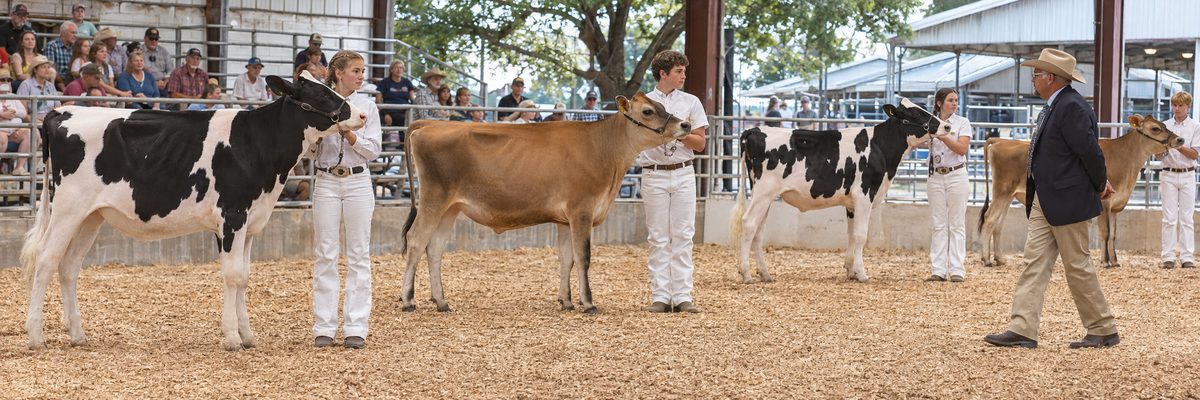
Ask a room of dairy kids what they'll do after school and half will say "farm" and the other half will say "I don't know." Both answers leave out most of the industry. For every cow in a parlor there are people formulating her ration, reading her genetics, hauling her milk, testing it, turning it into cheese and selling the cheese to a grocery chain.
Dairy jobs fall into a few broad groups: on the farm, advising the farm, serving the farm and processing or selling what the farm produces. Pay and requirements vary a great deal by region, employer and experience, so look at each path as a range of possibilities rather than a fixed salary.
This guide lays out the main routes and what they typically ask of you. Think of it as a map, not a forecast.
On the farm
The obvious jobs are milker, herdsman, calf manager, feed manager and herd manager. Bigger dairies often split these into specialties, so someone might spend their whole week on fresh cows or reproduction. On a small family operation one person may do all of it before breakfast.
Skills that matter here include animal observation, record keeping, a steady temperament and the ability to work with a team at odd hours. If you want a closer look, what a herdsman does all day walks through one of the central roles. Management-track people eventually move into farm management, ownership or a partnership, and the next generation partnership route is a common one for family-farm kids.
Advisors and technical specialists
This is the group many students never hear about, and it's where a lot of the industry's expertise lives.
Nutritionists
Nutritionists formulate rations, evaluate forages and troubleshoot herd feeding problems. Most have degrees in animal science or dairy science, and many seek professional certification. The path is explained in detail in how to become a dairy nutritionist.
Veterinarians
Large animal and dairy vets handle herd health programs, reproduction, surgery and emergency calls. The path is long, with a doctoral veterinary degree after undergraduate coursework, but it leads to one of the most respected jobs in the barn. Read about the road from 4-H to vet school if that appeals.
Genetics, breeding and AI
Artificial insemination companies, breed associations and genetics firms employ technicians, sire analysts, sales representatives and geneticists. The work ranges from field breeding to data analysis. Understanding how proofs work, covered in PTA explained, is a useful starting point.
Reproduction and herd health technicians
Some people work as herd health technicians, pregnancy checkers or hoof trimmers, often running their own small business serving many farms. These jobs reward good hands, reliability and willingness to drive a lot.
Milk quality, processing and food science
Once the milk leaves the farm, a whole second industry takes over. Milk haulers, plant receiving staff, lab technicians, quality assurance managers and food scientists all keep milk safe and consistent. Cheese makers, ice cream makers and yogurt plants need production workers, engineers and sanitation specialists.
If you like the science side, food safety and dairy microbiology are real career paths, and plants hire for them nationwide. For a taste of how plant-side quality works, see what plants test milk for at receiving.
Small-scale processing is another option. Some families build a creamery and sell cheese, bottled milk or yogurt directly. The farmstead creamery startup checklist shows how much planning and licensing that really takes.
Sales, service and business
Milking equipment dealers, feed company representatives, animal health sales, bank lenders, insurance agents, accountants and cooperative field staff all make a living from dairies. These jobs reward people who know farms and enjoy talking with farmers. A feed rep's truck also tends to be cleaner than the average farm truck, which is a perk nobody puts in the brochure. A farm kid who can read a balance sheet and a freestall barn is genuinely hard to find.
Typical employers include:
- Feed and nutrition companies
- Milking equipment and barn equipment dealers
- Agricultural lenders and farm credit organizations
- Dairy cooperatives and milk marketing groups
- Breed associations and genetics companies
If a numbers job appeals, dairy record keeping and finance are covered in the site's business section, including what to track in a dairy record keeping system.
Research, education and public service
Universities, extension programs, government agencies and industry groups all employ dairy people. Extension educators teach farmers and run youth programs. Researchers study everything from cow comfort to manure management to milk composition. Teachers, including high school ag instructors, keep the pipeline going.
Federal and state agencies hire dairy specialists as well, for animal health, regulation and market statistics. If you like policy and data more than cows, this may be your lane. Land-grant schools such as Cornell's PRO-DAIRY program are a window into what extension careers look like in practice.
How to pick a direction
You don't have to decide at fifteen. A few steps help you narrow things down:
- Work on a dairy, even for a season. You'll quickly find out whether you like the cows, the data or the machines.
- Join 4-H or FFA and try different projects. Judging, quiz bowl and skillathon expose you to nutrition, health and genetics.
- Ask people what they do. Most dairy professionals enjoy explaining their jobs, especially to students who show up with real questions.
- Look for internships. Breed associations, feed companies and processors regularly host them; the Holstein Foundation, for example, lists internship opportunities for students.
- Choose a school that fits, using the advice in choosing a college for dairy science.
Realistic expectations
Dairy work can mean early mornings, weekends and holidays, particularly on the farm side. Pay depends on region, size of the operation and your experience, so check current job listings and talk to local employers rather than trusting a number in an article. Industry jobs usually pay for education and experience, and farm jobs often include housing or other benefits that don't show up in a salary figure.
The upside is real, too. The industry is short of skilled people in many regions, and farm kids who add a degree or certification are in demand. Cows don't care about your resume, but employers do.
Quick answers
Do I need a farm background for a dairy career?
No. Many nutritionists, vets, plant managers and sales reps came in from other backgrounds. Hands-on barn time helps a lot, though, so work on a farm for a season if you can.
What degree should I get for a dairy career?
Animal science or dairy science covers most farm-side and advisory roles, while food science fits processing, and veterinary medicine requires a doctoral degree. Check the requirements for the specific job you want.
Are there dairy jobs that don't involve working with cows?
Plenty. Processing, food science, sales, finance, research, marketing, equipment service and policy all support dairies without requiring you to milk at 4 a.m.