Youth, Shows, Careers & Dairy Life
What a Dairy Herdsman Does All Day
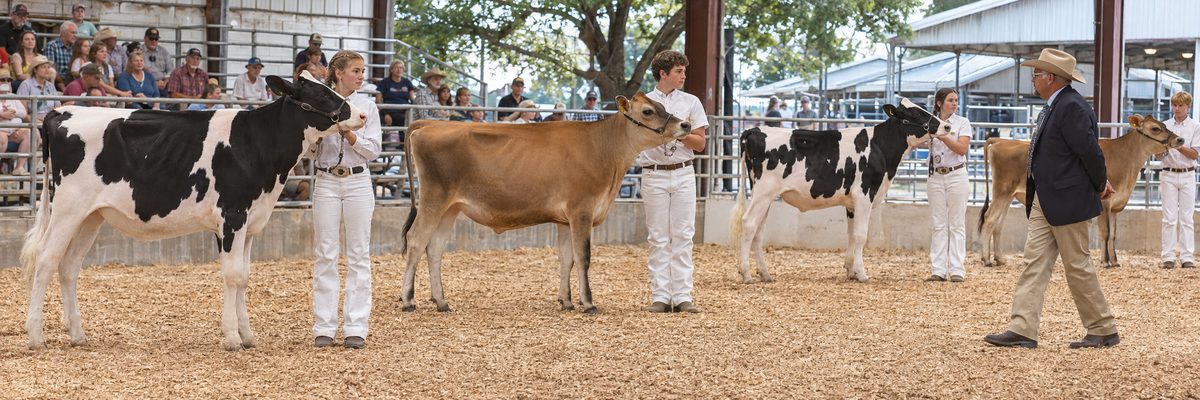
A herdsman is the person who knows which cow is off before the cow has figured it out herself. The job is part animal doctor's assistant, part breeding coordinator, part record keeper and part crew leader, and it starts early.
The title shifts from farm to farm. On a small dairy the herdsman might be the owner's right hand and do everything from milking to calving. On a large dairy it may be a department head over fresh cows, reproduction or the hospital pen. The common thread is responsibility for cow health and herd performance.
If you're looking at the job, the honest summary is this: long days, steady responsibility, a lot of time on your feet, and a real sense of ownership if you like that sort of thing. Here's what a typical day looks like.
A typical day, hour by hour
Every dairy runs differently, so treat this as a sample day, not a schedule.
Early morning: the walk-through
The day often begins before first milking or during it. The herdsman checks the cows that need attention: fresh cows, cows on treatment, cows noted by the night crew and any animals flagged by the herd management software. A cow standing off by herself, skipping feed or carrying her head low gets a closer look.
Reading cows is the core skill here. Experienced herdsmen notice posture, gut fill, manure, eyes and rumination before reaching for a thermometer. Basic vital signs matter, and the normal dairy cow temperature, pulse and respiration ranges are a good place for a new hire to start.
Mid-morning: fresh cows and treatments
Fresh cows, meaning those just calved, are the herdsman's high-stakes group. A routine usually includes checking appetite, milk output, uterine health and signs of metabolic trouble in the first days after calving. A farm's fresh cow protocol, set with the herd veterinarian, spells out what to check and when, and the herdsman carries it out. See the fresh cow check protocol for the general idea.
Treatments follow written protocols from the vet. The herdsman gives them as directed, records everything and makes sure treated cows are tracked so that milk discard and withdrawal times are followed. That's a regulation and food safety issue, not a suggestion. The milk withholding times and discard records article explains why.
Midday: breeding and reproduction
Many herdsmen are in charge of reproduction. That can mean watching for heat, breeding cows, pregnancy checks with the vet, managing synchronization programs and keeping breeding records. Understanding how to detect heat in dairy cows is a basic skill, and the ability to keep a straight face when a cow is standing perfectly for a camera is optional.
Afternoon: records, calves and barn checks
Afternoons mix paperwork and fieldwork. The herdsman enters treatments, breeding events and calving into the herd software, reviews reports, checks calves, adjusts groups and handles anything the morning left unfinished. They may sort cows for the vet visit or hoof trimmer.
Evening: another walk
Most herdsmen do a second look at the herd before the day ends, checking cows due to calve, sick cows, feed, water and bedding. When something is wrong, they're often the one who gets the phone call at night.
Core responsibilities
The job description changes, but the list usually includes:
- Monitoring cow health and flagging problems early
- Following vet-approved treatment protocols and keeping accurate records
- Managing breeding, pregnancy checks and dry-off schedules
- Overseeing calving, newborn care and fresh cows
- Maintaining records and using herd management software
- Training, scheduling and coordinating with the milking crew
- Working with the veterinarian, nutritionist and hoof trimmer
- Reporting herd results to the owner or manager
Good record keeping isn't glamorous, but it's how problems get found. Inspectors and buyers can ask for treatment records, so the habits in treatment records that pass an inspection make a herdsman's life easier.
Skills that make a good herdsman
No single degree is required, though some herdsmen have two-year or four-year ag degrees. Experience counts for a lot. Skills employers look for include:
- Animal observation: noticing small changes in behavior, feed intake and milk yield.
- Calm cattle handling: low-stress movement and a good sense of cow behavior.
- Consistency: doing the same protocol the same way, every time.
- Record keeping: accurate entries and comfort with software.
- Communication: clear instructions to the crew and clear reports to the owner.
- Stamina: long hours, physical work and weather that doesn't care how you feel.
People skills matter more than people expect. A herdsman who can teach a new milker without making them want to quit helps the farm for years. The principles in keeping good dairy employees apply to the person in charge of the crew as much as to the owner.
Hours, pay and benefits
Hours depend on the farm. Many herdsmen work long days with weekend rotations, and calving or emergencies don't read the schedule. Larger dairies sometimes arrange shifts so the herdsman gets days off, while small farms may have fewer people to cover.
Pay varies widely by region, herd size and experience, and it can include salary, bonuses tied to herd performance, housing or other benefits. For a look at the kinds of packages farms offer, see dairy employee pay and benefits. Check local job postings and talk to farms in your area instead of relying on any national number. Overtime rules for agricultural workers also differ by state.
How to get started
Most herdsmen work their way up from milker, calf feeder or herd technician. If you're starting from scratch:
- Get a job on a dairy and learn the basics
- Ask to work with fresh cows or calving, where you'll learn the most
- Take extension workshops and short courses on herd health and reproduction; university programs such as University of Minnesota Extension's dairy resources provide practical material
- Learn the herd software the farm uses
- Build a good working relationship with the herd vet
The less glamorous parts
Honest expectations help here. Cows get sick on weekends. Equipment breaks. Some days every cow in the pen seems to have a plan that doesn't include you. And on some days you'll lose an animal despite everything done right, which is part of the job and can be hard on you. Talk to your boss or someone you trust when it weighs on you.
The reward is seeing healthy cows, good milk quality and a crew that works well. For many herdsmen, that's the whole point.
Quick answers
Do you need a degree to be a dairy herdsman?
Not always. Many herdsmen learn on the job, though a degree or certificate in dairy or animal science can help you move up faster and qualify for larger operations.
What's the difference between a herdsman and a herd manager?
The terms overlap and vary by farm. A herdsman usually focuses on cow health and reproduction, while a herd manager may oversee the whole dairy, including labor, budgets and decisions with the owner.
How long does it take to become a herdsman?
It depends on the farm and your experience. Many people spend several years as a milker or herd technician learning protocols and cow behavior before taking on a herdsman's responsibilities.