Dairy Business, Finance & Labor
Dairy Employee Pay and Benefits: What Farms Offer
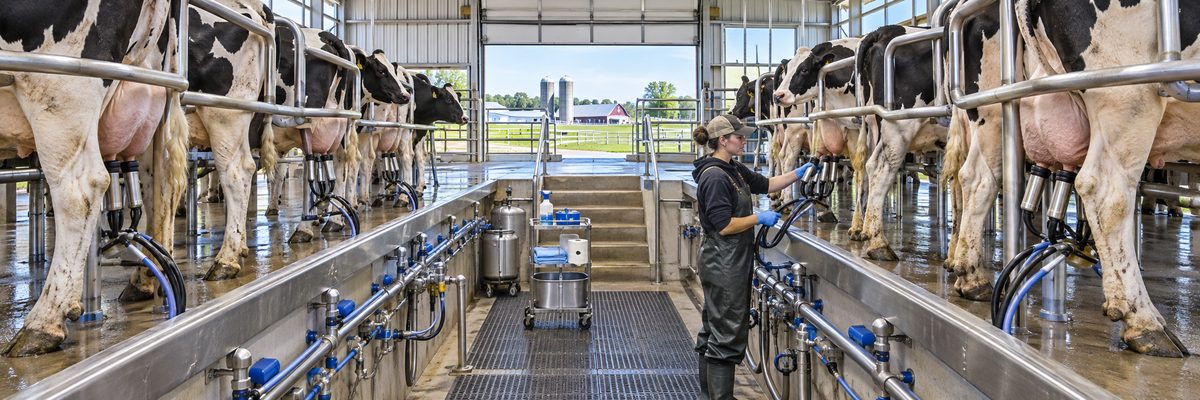
Nobody can hand you one number for dairy pay, and anyone who does is guessing. Wages swing with region, herd size, job title, experience, whether housing is included and what the farm down the road is paying this week. What you can do is learn how pay is built, where to find real local numbers and what benefits workers actually care about.
In practice, most dairies pay hourly for milkers and general help, pay salary or a high hourly rate for herdsmen and managers, and layer on benefits like housing, health coverage, paid time off and bonuses. The farms that keep good people tend to be competitive on base pay, predictable with hours and clear about how raises work. The ones that lose people to the construction company across the county tend to be the ones that rely on loyalty.
Where to find real numbers
Start with data, not rumor. The USDA National Agricultural Statistics Service runs the Agricultural Labor Survey, which publishes employment and wage estimates for farm workers by labor region. It's broad, and it lumps dairy with other livestock work, but it's a solid check against what you're paying. Then add local sources:
- Your dairy-neighbors and co-op field staff, who often know the going rate without naming names.
- Your state department of labor or workforce agency, which publishes wage data for farm occupations.
- Extension dairy programs, some of which run labor and wage surveys of area farms.
- Your own job postings and applicants. If three candidates in a row decline at your rate, the market has spoken.
Compare job by job. A rotary parlor milker, a calf feeder, a freestall pen worker, a breeder and a herdsman aren't the same job and shouldn't be priced as if they were.
How dairy pay is usually structured
| Role | Common pay structure | Notes |
|---|---|---|
| Milker / parlor worker | Hourly, often with shift differentials or incentives | Entry point on many farms; early shifts are hard to fill |
| Calf and heifer caretaker | Hourly | Skilled job; calf health shows up in future milk |
| Feeder / equipment operator | Hourly | Equipment skills justify higher pay |
| Breeder / fresh-cow tech | Hourly or salary with bonuses | Training and reliability matter |
| Herdsman / assistant manager | Salary or high hourly, bonus, sometimes housing | See paying a herd manager |
| Family members | Varies widely | Pay them for the job they do, in writing |
Overtime and hours
Federal law exempts agricultural workers from overtime, but states don't all agree. Some require overtime after a set number of weekly hours, some use higher thresholds, and some don't require it at all. Rules can also change, so verify yours with your state labor department. Overtime rules for dairy workers by state shows how much they differ. Even if overtime isn't required, paying extra for long weeks tells your crew you notice.
Benefits workers actually value
Money isn't the only thing that gets a milker to show up at 3 a.m. in January. Benefits that tend to matter:
- Housing. A decent house or apartment near the farm is a major draw, but it comes with legal and maintenance responsibilities. See worker housing rules and costs.
- Health insurance. A real plan, even with a cost-share, sets a farm apart. Where full coverage isn't possible, help with premiums or a stipend can still help.
- Paid time off. Paid vacation and sick days, with a plan for covering shifts. Workers remember who gave them a day off for a family funeral.
- Predictable schedules. A posted schedule with advance notice and a fair rotation for weekends and holidays.
- Bonuses. Milk quality, attendance, retention or herd performance bonuses can work well if they're clear and fair.
- Retirement savings. A match, even a modest one, signals that you expect the person to be around.
- Training and advancement. Paid training, language classes, certifications and a path to herdsman or manager.
- Small stuff. Boots or coveralls provided, a phone allowance, free milk, a farm meal at holidays.
A caution about bonuses
If you pay a bonus on bulk tank somatic cell count, make sure it doesn't create a quiet temptation to hide sick cows or cut corners on treatment and milk withdrawal. Reward the right behavior, such as catching mastitis early, and make it clear that reporting a problem is never penalized. The farm's treatment rules and withdrawal times and milk discard rules are not negotiable, and bonuses should never push in the wrong direction.
Costs on your side of the ledger
Real labor cost is more than the hourly rate. Payroll taxes, workers' compensation insurance, unemployment insurance where it applies, housing costs, benefits and training time all add up. The workers' comp guide for dairies explains one of the bigger ones. Track labor cost per hundredweight and as a share of milk income so you can see whether a raise is affordable. The cost of production per hundredweight guide shows how.
A common mistake is treating turnover as free because you didn't write a check for it. Every new hire costs training time, mistakes while they learn and the extra hours the rest of the crew covers. Raising pay by a small amount to keep a good milker is often cheaper than replacing one. Compare that with what actually works for retention.
Setting pay without starting a fight
- Write job descriptions and pay ranges for each position.
- Pay for skill, reliability and responsibility, not just hours on the clock.
- Be consistent. If two workers do the same job, a big gap needs a reason you can explain.
- Review wages once a year at a set time, and tell people when that is.
- Put the pay, schedule and benefits in a simple written offer, and keep it on file.
- Explain raises. A raise nobody understands feels random.
Workers talk to each other, so assume everyone knows what everyone else makes. Plan the pay structure so you'd be comfortable if the whole crew compared pay stubs in the break room, because they probably have.
Quick answers
What do dairy milkers typically get paid?
It varies by region, farm size and experience, so check current local data. USDA's labor survey gives regional wage estimates for farm workers, and your state labor department and neighboring farms fill in the rest. Don't pay by a national average; pay by what your local job market requires.
Are bonuses worth it on a dairy?
They can be, if they reward things workers control and don't encourage shortcuts. Milk quality, attendance and retention bonuses are common. Keep the rules simple and written down, and talk to your accountant about the tax treatment of bonuses.
Do I have to provide housing?
No, but it's a deciding factor for many workers, especially in rural areas with limited rentals. If you do provide it, learn the safety and legal requirements for your state first, and put the housing terms in writing.