Barns, Cow Comfort & Equipment
Why Is Your Barn Smell Telling You About Ventilation?
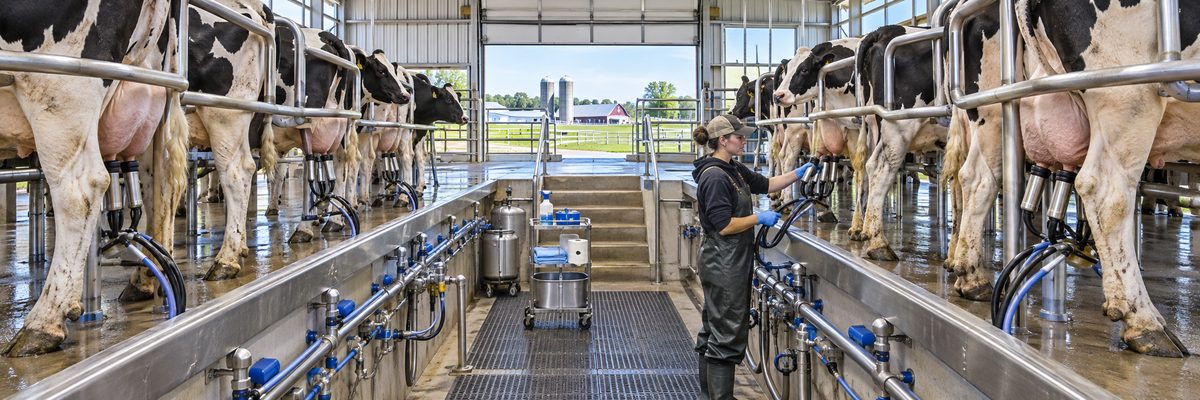
If you walk into the barn and your nose gets slapped, the building is trying to tell you something. A sharp ammonia smell, a damp, heavy feeling in the air, or drips on the underside of the roof all point to the same thing: stale, wet air is hanging around where cows breathe. The cure is nearly always more fresh air exchange and less moisture at the source, not a stronger air freshener.
Your nose is a decent first test, and it is free. But it has limits. People get used to smells fast, so the barn crew often stops noticing what a visitor notices at the door. Ask the feed rep, the vet or the milk hauler what they smelled when they walked in. They will be honest, which is more than your cows can be.
What the smell is made of
Ammonia comes from urine and manure breaking down, especially in wet, warm bedding and on manure-coated floors. The more moisture sits in the pack or the alley, the more gas the barn makes. Ventilation is supposed to carry moisture, heat, gas and dust out and bring fresh air in. When the system falls behind, humidity climbs, and so does the smell.
Cows put out a lot of heat and moisture just by breathing and living. A barn with too little air exchange for the number of cows, or one that is shut up too tight in cold weather, turns into a damp box. The University of Wisconsin dairy extension covers ventilation as a core design requirement in its guide to facility design for automated milking barns, and the same principles apply to any freestall or tiestall barn.
Smell and sight clues, and what they usually mean
| What you notice | What it often means | First things to check |
|---|---|---|
| Sharp ammonia at cow level | Wet manure or bedding, too little air exchange | Stall and alley cleanliness, bedding moisture, inlet and outlet openings |
| Musty, sour smell | Damp bedding, mold, stagnant air | Bedding source and storage, leaks, drainage |
| Condensation dripping from roof or ceiling | Warm, moist air meeting a cold surface | Winter ventilation, roof insulation, outlet size, ridge opening |
| Fog or haze in cold weather | High humidity, poor air exchange | Curtain settings, fan operation, stocking density |
| Dust and cobweb buildup | Poor air movement, dusty feed or bedding | Dead air zones, dusty feed handling, fan maintenance |
| Rusty fixtures, damp walls | Long-term high humidity | Whole-year airflow plan |
| Stuffy air in summer | Not enough airflow for heat load | Fan number and placement, open sidewalls |
| Coughing, wet noses, cows bunching | Air quality or draft problems | Cow-level airflow, drafts, herd vet input |
This table is a guide, not a diagnosis. The same smell can have different causes in a compost barn, a tiestall barn, a calf barn or a freestall barn. For compost packs in particular, compost barn troubleshooting for wet pack and smell goes into detail.
A simple barn air check you can do today
- Walk the barn at cow level. Crouch down. The air at nose height is what the cows are breathing, and it is not always what you smell standing up.
- Do it at different times. Early morning, after milking and in the evening can all look different, and weather changes things too.
- Check the surfaces. Look at ceilings, walls, trusses and fixtures for drips, frost, rust and mold.
- See where the air moves. A smoke stick, a bit of ribbon or a thread on a stick shows direction and speed. Dead spots and drafts both matter.
- Check the bedding. Wet, warm stalls produce a lot of smell and give bacteria a place to live. How to keep freestall bedding dry and clean goes into the routine.
- Measure what you can. A simple thermometer and humidity gauge give you numbers to compare over time. Talk with your extension dairy specialist or ventilation consultant about what readings fit your barn and region.
- Look at the cows. Coughing, nasal discharge, wet hair coats, bunching and cows avoiding certain areas are all signals. Bring your vet in on any respiratory concern.
Common causes and fixes
Moisture at the source
The cheapest ventilation fix is to stop making so much moisture. Fix leaking waterers, scrape alleys often, keep bedding dry and avoid hosing down areas you do not need to wash. Overstocking is a common culprit, because more cows means more heat, urine and manure per square foot.
Too little air exchange in cold weather
Many barns get closed up in winter to keep cows warm, then collect moisture. Cows tolerate cold better than damp, stale air, and the rule of thumb in cold country is to keep the barn open and dry. See winter ventilation for open, dry barns, and cold weather freestall management in the Upper Midwest for region-specific tips. Northeast tiestall barns face the same issue with older buildings, and the fix may involve inlets, outlets and fans rather than a rebuild.
Not enough airflow in hot weather
Summer smell and stuffiness in the Southeast, Southwest or California usually means the system is not moving enough air for the heat load. Review fan count and placement in how many fans a dairy barn needs, and think about whether tunnel or natural ventilation fits your barn; natural ventilation in freestall barns explains how the open-sidewall design is supposed to work.
Calf barns
Calves are sensitive to air quality, and a closed, damp calf barn is a setup for respiratory trouble. See calf barn ventilation basics, and call your vet about any pattern of coughing or pneumonia.
Dead zones and blocked air paths
Stacked feed, equipment parked in front of openings, and sidewalls that never open all create dead air. Moving a few things often helps more than adding a fan.
A word on manure pit gases
An ammonia smell is annoying. Manure pit gas is dangerous. Hydrogen sulfide and other gases can reach lethal levels, and a person cannot rely on their nose to detect them, because smell can fade quickly at dangerous concentrations. Never enter a pit or work in an enclosed manure area without proper training and equipment, and keep ventilation running during agitation. Read manure pit gas safety for dairy crews before you do any pit work.
When the smell becomes a selling point
One farm.FM poem has a barn converted to an Airbnb that charges extra for its "authentic" haunted smell, and that poem about the barn that charges extra for haunted smells is good for a laugh. Your cows, unfortunately, do not pay a cleaning fee, and a barn that smells like a farm in the poem should be fixed, not marketed. For the broader checkup, the dairy barn maintenance checklist by season is a good place to add an air-quality walk.
Quick answers
Why does my barn smell like ammonia in winter?
Usually because the barn is shut too tight and manure and wet bedding are releasing gas into stale air. More fresh air exchange and drier stalls and alleys are the first fixes.
Is ammonia smell bad for cows?
High levels can irritate the respiratory tract and are a sign of poor air quality, so it is worth fixing. Ask your vet and ventilation specialist what levels and signs matter for your herd.
Can a fan fix a smelly barn?
Sometimes, but only if the real problem is airflow. If wet bedding or leaking water is the source, a fan just moves the smell around. Fix moisture first, then look at ventilation.