Grazing, Organic & Small Dairies
Cow Share and Herdshare Agreements Explained
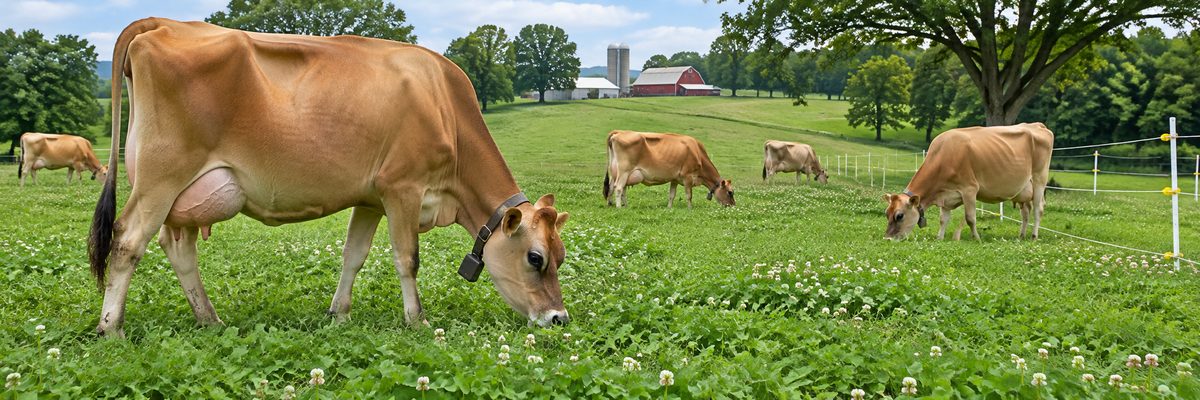
A cow share is a contract, not a loophole. A person buys a share in a milking animal or a herd, then pays a recurring fee for the farmer to feed, house, milk and care for that animal. The milk that comes out belongs to the owners, so in theory nobody is "selling" it. Whether the law agrees with that reasoning depends entirely on where your barn sits.
That last sentence is the whole article in miniature. Some states have written herdshares into statute with rules attached. Some prohibit them or treat the share fees as a sale in disguise. Plenty say nothing at all, which is its own kind of risk. Before you print a single membership form, find out which kind of state you live in.
The rest of this piece covers how a herdshare is built, what a decent agreement spells out, and the questions you should ask a lawyer and your state dairy regulator before the first jar goes out the door.
How a herdshare is supposed to work
The structure has two parts that are usually written as two documents or two sections of one.
- The share (ownership). The member buys an interest in a cow, a goat, or a portion of a herd. This is a one-time purchase, and in some setups it is refundable if the member leaves.
- The boarding or care agreement (service). The member pays a monthly fee to the farm for feed, housing, milking, vet care and the herd manager's time. The animal lives on the farm, because most members do not have a dairy cow standing by in the garage.
The member then collects "their" milk on a schedule. The legal theory is that owners are taking their own property from their own animal, and the farmer is a paid caretaker rather than a seller. Whether a regulator accepts that theory is a separate question from whether the paperwork is tidy.
A herdshare is not the same as a retail raw milk permit, and it is not a shortcut to selling to the public. Members are supposed to be real owners of real animals, with a real contract and a real relationship with the farm. A cow share that amounts to a price list with extra steps is the sort of thing agencies notice.
What a solid agreement spells out
Good agreements are boring, specific and written down. If yours fits on a napkin, a napkin is also what you will be holding when a dispute starts.
| Section | Why it matters |
|---|---|
| What the member owns | A named animal, a fractional share of a herd, or a share of the herd's milk. Vague ownership is where legal trouble starts. |
| Boarding and care fee | States what the monthly fee covers and how it can change. Should not read like a per-gallon price. |
| Milk allotment | How much each share is entitled to, and what happens when the cow dries off or has a bad week. |
| Pickup and handling | Where, when and in what containers. Who cools it and who is responsible once it leaves. |
| Risk disclosure | A plain statement that raw milk can carry disease-causing bacteria, signed by the member. |
| Exit terms | How a member sells back the share, what happens if the farm closes, and who gets the cow in a dispute. |
| Herd health and testing | What the farm commits to, in language your veterinarian has read. |
The cow does not sign anything. She would not read it anyway, and she has already decided what she thinks of the milk stand.
Where the law differs
State approaches tend to fall into a few buckets, and the buckets move over time as legislatures and agencies revisit them.
- Explicitly allowed. Statute or rule recognizes herdshares, sometimes with conditions such as registration, labeling, testing or limits on advertising.
- Silent or unclear. No rule either way. Regulators may or may not treat the arrangement as a sale, and you may only find out after a complaint.
- Prohibited or restricted. Rules treat share arrangements as illegal distribution of raw milk, or ban raw milk for human consumption outright.
Federal rules bar the sale of raw milk for human consumption across state lines, so a herdshare that moves milk over a border is a different conversation from one that stays inside a state. The FDA's raw milk page gives the federal view and notes that states are split on in-state sales. For the details that actually apply to you, the authority is your state department of agriculture or its dairy division, sometimes the state health department, and an attorney who has dealt with food or agricultural law. A general overview of how raw milk rules differ by state will help you ask the right questions.
Running one responsibly
If your state allows herdshares, the agreement is only the start. The animals and the milk still need to be handled like a food business, because the people drinking it will not be thinking of themselves as part of a legal theory. They will be thinking of breakfast.
- Keep the herd healthy and tested. Work with your veterinarian on a herd health plan and on whatever testing your state expects. A herd health checklist for small family dairies is a decent starting point.
- Milk clean and cool fast. Hygiene is the main tool you have. The routine in milking a family cow by hand applies whether the cow is yours or forty shareholders' worth.
- Handle the milk after the barn. Chilling, storage and clean containers matter as much as the milking, and cooling and storing family cow milk covers the basics.
- Call your insurance agent. Many farm policies exclude or restrict raw milk, and a herdshare can fall into that gap. Review liability coverage for dairies before you take the first payment, not after the first complaint.
- Keep records. Membership lists, signed disclosures, milk pickup logs and any test results. If an agency visits, boxes of paper beat memories.
Mistakes to avoid
- Using the word "sale" in advertising, signs or social posts when your contract says there is no sale.
- Letting non-members take milk "just this once." That one gallon is the one the inspector hears about.
- Copying a contract from another state or a neighbor and never having it reviewed.
- Promising health benefits. Regulators and the FDA push back hard on those claims.
- Assuming a herdshare removes your duty to keep milk clean and animals healthy. It does not, and it does not stop a sick member from becoming a liability problem.
If you are on the member side, ask to see the farm, the milking routine and the written agreement. Ask what testing is done and how often. A farmer worth buying a share from will answer without getting prickly, and if she tells you the cow's name and the cow's last vet visit in the same breath, that is a good sign.
Quick answers
Is a cow share legal in every state?
No. Some states recognize herdshares, some prohibit them, and many leave the question open. Check with your state department of agriculture and talk to an attorney before you sign or sell anyone a share.
Do members pay for the milk or for the cow?
Under the herdshare model, members pay for an ownership interest and then a fee for boarding and care. Milk is meant to be the owner's own property, not something purchased by the gallon. How regulators view that line varies by state, so the wording of your agreement matters.
Can a herdshare sell milk to people who are not members?
Generally no. Milk is for the owners named in the agreement, and handing it to the public makes it look like a sale. If you want to sell to the public, look into your state's permit route for retail or on-farm raw milk sales, if one exists, or into pasteurizing in a licensed facility.