Youth, Shows, Careers & Dairy Life
Northeast Fair Circuit Tips for Dairy Exhibitors
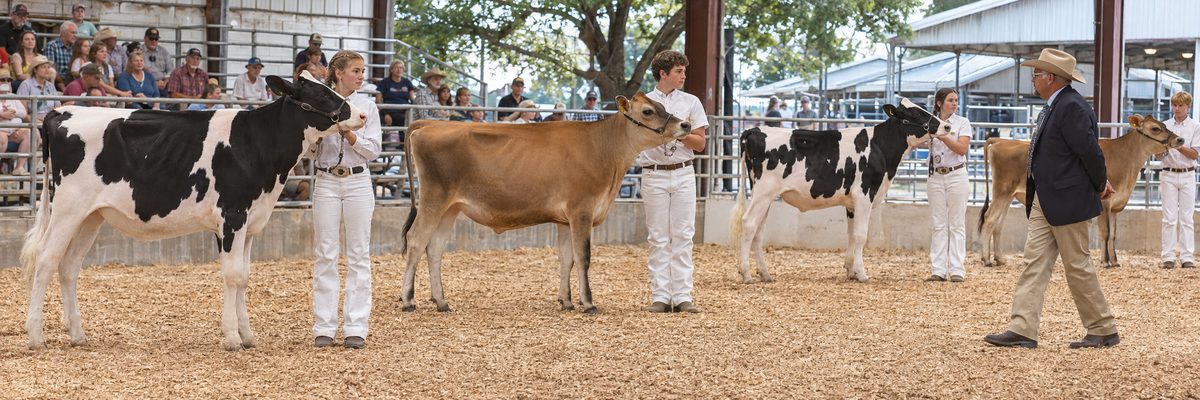
The Northeast has more dairy fairs packed into a few months than most regions have in a full show season, and the trick is not winning any single one. It's getting a string of them done without a worn-out heifer, a worn-out family and a truck that smells like wet shavings until Thanksgiving.
Start with the calendar, then work backward. Pick the shows that matter to your goals, check each one's entry deadline, health paperwork and arrival rules, and decide how many days your animals can realistically spend away from the home barn. A heifer who has been hauled four weekends running is not the same animal that left in June, and she'll tell you so in the ring.
Everything below assumes you're showing dairy cattle, though dairy goat exhibitors will recognize most of it. Rules differ by state and by fair, so treat this as a planning framework and let each fair's premium book have the final word.
Build the circuit around the fairs, not the other way around
A Northeast circuit usually runs from small town and county fairs through bigger state-level shows and regional expositions, with fall exhibitions stretching the season. New York, Pennsylvania, Vermont, Maine, New Hampshire, Massachusetts and Connecticut all have their own rhythm, and a show that is an easy two-hour haul for one family is a long day for another.
Sort your options into three buckets:
- Home fair: your county or town fair. This is where you learn what the heifer does under lights and crowds, and where mistakes cost the least.
- Stretch shows: a larger open or junior show within a few hours. Good for experience, and usually worth the extra cost once.
- Destination shows: big regional events such as the Big E in New England or other state expositions. These take planning months ahead, and some limit entries or require qualifying.
Most families do well with one home fair, one or two stretch shows and, if the animal and the budget allow, a single destination show. More than that and the calf pen at home starts looking like a vacation destination.
Entries, deadlines and paperwork
Entry deadlines in the Northeast tend to arrive well before the fair itself, and some are weeks earlier than you'd guess. Late fees exist for a reason, and the reason is usually you. Put every deadline on one calendar the day premium books come out.
Health requirements vary by state and sometimes by fair. Many shows ask for a certificate of veterinary inspection, current identification and proof that animals meet testing rules for the state they're traveling into. Some fairs also add their own requirements on top of state rules. Your herd veterinarian knows the current standard, and the state department of agriculture, or the fair's own office, is the place to confirm it. Don't rely on what a neighbor did two summers ago, because rules change and neighbors forget.
Keep a folder, a real paper one, with:
- Entry confirmations for every fair
- Health papers and ear tag or registration records for each animal
- Stall assignments and check-in times
- Emergency numbers, including your vet and a backup
If you also want to check state-specific animal movement rules, start at your state's department of agriculture. Pennsylvania's agency is a good example of what to look for: the Pennsylvania Department of Agriculture publishes animal health and show information that exhibitors and fair boards lean on.
Hauling and the home barn
The short Northeast distances fool people. A two-hour trip feels like nothing, until the gooseneck is parked in a fairground line for another ninety minutes. Plan for the line.
For each haul:
- Bed the trailer deep enough that a nervous heifer won't slide, and tie her so she can still lower her head.
- Carry water from home if the fair's water tastes different. Some cows quit drinking when the taste changes, and a cow that won't drink won't milk or show well either.
- Stop to check on animals on long trips, and never leave them in a parked, sun-baked trailer.
- Keep feed consistent. Bring enough of your home hay or ration to blend in slowly with whatever the fair provides.
Biosecurity matters most when animals leave and come back. Fairs mix cattle from dozens of herds, and a cough or a case of ringworm can ride home in your trailer. Keep returning show animals separate from the milking herd and young calves for a couple of weeks, clean the trailer and gear before it sits in the yard, and ask your vet what quarantine period suits your barn. If you milk cows at home, the show string should be last in the chore order, not first.
Caring for the animal on the road
Fair barns are loud, crowded and often hot in late summer. Northeast weather also loves to swing from muggy to cool and wet within a day, which makes ventilation and bedding more important than any clipper trick.
Heat, humidity and rain
Fans are standard kit. Keep cows out of direct sun, keep their stalls dry and watch for signs of stress, such as open-mouth breathing, drooling or going off feed. If the show season is hot and sticky, the lessons in showing through Southeast-style humidity apply on a smaller scale in July and August up north.
Feed, water and manure
Offer water often. Feed small, steady meals and clean the pen at least twice a day. A show cow standing in her own mess is an easy thing for a judge to spot, and an expensive thing for her to explain.
Clipping and washing
Time your prep for each show rather than doing the full routine every weekend. A fresh clip is only needed when hair has grown back enough to show, and constant washing can dry out a coat. The basics of clipping a dairy cow for a show and washing and blow drying stay the same; just don't repeat them more often than needed.
Packing, schedule and the family
On a circuit you're living out of a tack trunk, so build one good kit and keep it packed between shows. The dairy show box checklist covers the standard supplies, and the fair week schedule shows what a typical day looks like from barn call to release.
Plan the human side too. Assign chores before leaving so the home barn doesn't depend on one person who happens to be at the fairground. Rotate who stays with the animals overnight if the fair requires it, and book food and rest like they're appointments. A cranky exhibitor leads a cranky heifer, and cows have been known to pick up on it.
For a first big out-of-county trip, read about the World Dairy Expo junior show as a model for how large shows are organized, even if yours is much closer to home.
Money and expectations
Fair costs add up in small amounts: entry fees, stall fees, bedding, fuel, feed, food and the occasional repair on a trailer that decided to fail on the highway. Write down the expected cost of each show before you commit, then compare it to what you'll learn from it. A good week of showmanship is worth more than a ribbon on the wall.
Penn State and other Northeast extension programs publish dairy and youth resources that help families plan, and Penn State Extension's dairy pages are a good place to start if you want solid, practical background on animal care.
Quick answers
How many fairs should a dairy exhibitor attend in one season?
Most families do best with two to four shows, with at least a week of rest between them for the animal. More is possible, but the extra wear on cows, trailers and people often outweighs the added chances to win.
Do I need health papers for a Northeast fair?
Often yes, but the specifics vary by state and fair. Ask your vet and the fair office early, and confirm with the state department of agriculture rather than assuming last season's paperwork still works.
How should I keep show animals from bringing illness home?
Separate returning animals from the rest of the herd for a couple of weeks, clean the trailer and equipment right away, and do show-string chores after the milking herd and calves. Your veterinarian can tell you how long to isolate for your particular barn.