Northeast Dairy Forage Planning for Short Seasons
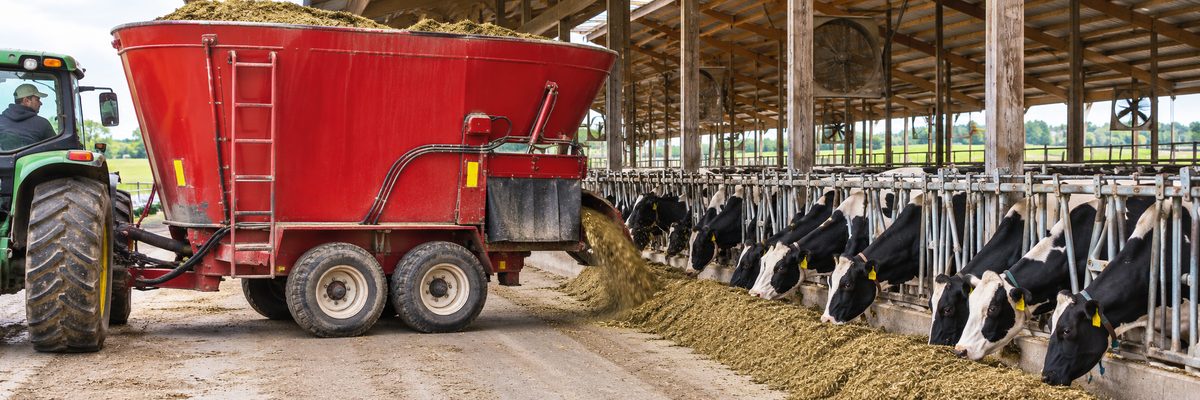
Northeast forage planning comes down to one uncomfortable fact: the weather decides the harvest window, and it rarely checks with you first. A short growing season, a wet June and a stretch of cloudy days in the middle of first cutting can wreck a plan that looked perfect in March. The farms that handle it best don't try to out-guess the weather. They build in slack.
That means growing a mix of crops with different harvest windows, making more of your forage as silage or baleage than dry hay, and carrying enough inventory that one bad year doesn't turn into a feed-buying spree. This piece walks through what that looks like in practice.
Why the Northeast is different
Compared with the Upper Midwest or the Plains, Northeast dairies often deal with smaller and more scattered fields, hillside ground, variable soils and rainfall that arrives on its own schedule. Many farms are family-run with limited machinery, so a harvest crew of three has to cover a lot of acres in a short window. Wet springs delay planting, and wet falls push corn silage harvest into weather that makes everyone grumpy and every field a rut.
Cornell's PRO-DAIRY program and Penn State Extension both publish forage guidance built around these conditions, including planting date, hybrid choice and harvest timing. Both are worth bookmarking, and you can start with the Cornell PRO-DAIRY site or the Penn State Extension dairy page.
Build the plan around harvest windows
A common mistake is putting all the eggs in one basket, for instance depending entirely on first-cut grass in a short window. Spreading harvest across different crops and maturities spreads the weather risk.
- Perennial grass and legume mixes. Alfalfa-grass and clover-grass stands give multiple cuttings. Grass in the mix helps in wet or heavy soils where pure alfalfa struggles to persist. Cutting schedules for alfalfa can be tightened or relaxed depending on how many cuts your season really supports.
- Corn silage. Short-season hybrids and earlier maturity groups reduce the risk of frost catching immature corn. Pick hybrids with your local season length and growing degree units in mind. Your seed dealer and extension agent can tell you what fits your area.
- Small grains and other annuals. Spring oats, triticale or winter cereals harvested as silage can fill gaps, provide early feed or serve as a nurse crop for new seedings. A late-summer annual can also salvage a field after a failed crop.
- Brassicas and other fall forage. Some farms graze these with heifers or dry cows late in the season. It is a niche tool, so talk it over with your nutritionist before planting a field of turnips.
Make more of it wet
Dry hay in a wet region is a bit like planning a picnic in April. Sometimes it works. Haylage and baleage let you harvest at the right stage with a shorter wilting window, which often means better quality and less field loss. Quick wilting, correct moisture and good packing or wrapping are the three rules. Making dairy-quality hay in a wet summer covers the dry-hay side if you still prefer it, and haylage wrapping goes through the wet route.
Storage matters as much as harvest. Bunker silos, bags and towers all work in the Northeast, and the right choice depends on herd size, budget and how fast you feed out. Silage bags, bunkers and towers each have their place, and a mix is not unusual on mid-sized farms.
A practical inventory approach
Figure your annual forage need first, then add a cushion. Most advisers suggest carrying some carryover feed rather than running the bunk to zero every spring, because a poor first cut can show up as a surprise in the milk tank within weeks. Estimating silage needs is the place to start with the math.
Steps to take before the season starts
- List your herd groups, lactating cows, dry cows, heifers, and estimate daily dry matter per group.
- Multiply by the number of feeding days in your region, remembering that winter feeding runs longer here than in the South.
- Add shrink, the portion lost in storage, spoilage and feed-out. It is not glamorous but it is real.
- Compare that number with your expected crop yields and what you already have in storage.
- Decide ahead of time what you will do if you come up short, whether that means buying forage, adding annuals or trimming the herd.
Stage matters more than the date
Calendar dates are a poor boss. A cold spring pushes everything back, a warm one pulls it forward, and the cows do not care what the almanac said. Use plant stage, moisture and test results to time harvest. Reading a forage test helps you decide how to use each cutting, so a great first cut goes to fresh cows and the rougher stuff goes to heifers or dry cows.
What to do in a bad year
Every long-time Northeast dairy farmer has a story about a wet year. The ones who handled it well usually had a backup. Options to talk over with your nutritionist or extension agent include:
- Planting an emergency annual in a failed field or after an early harvest.
- Buying forage from a trusted neighbor or broker, with a forage test attached so you know what you are getting.
- Stretching forage with approved byproducts, as discussed in byproduct feeds that work for dairy cows, if the ration can handle it.
- Adjusting group sizes or heifer feeding to protect the milking string.
Do not wait until the bunk is half empty. Early decisions are cheaper, and nobody ever regretted having extra silage except maybe the neighbor who bought the wrong silo.
Quick answers
What crops work best for a short-season dairy farm?
A mix of alfalfa or clover with grass, short-season corn silage hybrids and small grain silage tends to spread weather risk. Your county extension office can recommend varieties that fit your growing season.
Is haylage better than dry hay in a wet climate?
Often, yes. Haylage needs a shorter wilting window, so you can harvest at the right stage even when the forecast is iffy. It does require good packing, wrapping and storage.
How much extra forage should I carry over?
It depends on your herd and how variable your yields are. Many farms aim for a cushion beyond the calculated need, and your nutritionist can help set a number that fits your risk comfort.