Breeding, Genetics & Reproduction
Do-It-Yourself AI vs Hiring a Breeding Technician
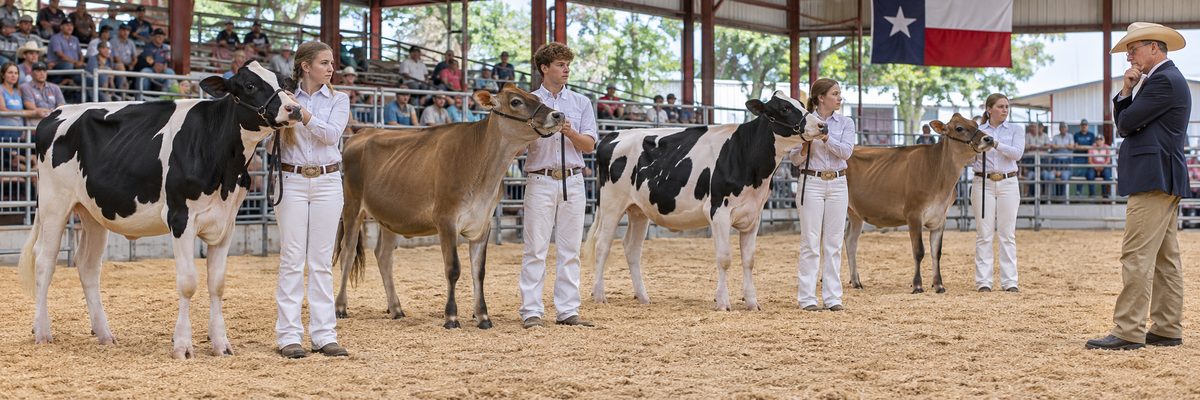
Every dairy farmer has stood at the tail end of a cow in heat and thought, I could do this myself and save the call. Some can. Some end up paying for the semen, the nitrogen, the course, and a technician anyway. The honest answer is that on-farm AI is a good deal for plenty of herds and a bad deal for plenty of others, and the line between them has more to do with labor and skill than with the price per breeding.
A technician brings practice. Someone who breeds hundreds of cows a month has a feel that a farmer breeding a few a week rarely gets. A farmer brings timing, because you are standing in the barn when the cow shows heat and the technician is forty minutes down the road with a truck full of other cows. Which of those matters more is what you need to sort out.
The rest of this article walks through the cost side, the skill side, and a way to run the numbers on your own herd without anybody selling you anything.
What a technician actually costs
Technician arrangements vary by region and by the company. Some herds pay a fee per cow bred, some pay a flat service charge plus travel, and some pay a monthly or per-visit rate for a technician who comes on a schedule and breeds what is ready. Prices change, so ask two or three providers in your area for current terms instead of trusting a number you read online.
When you compare, look at the whole bill:
- The service fee per breeding, or per visit.
- Travel or minimum charges, which hit small herds harder.
- Whether the semen is included or billed separately.
- Whether repeat services on the same cow cost the same as the first.
- What happens on a weekend, a holiday, or at four in the morning.
That last item gets forgotten. Cows come into heat on their own schedule, and they are not impressed by Sunday. A technician who will not come out on weekends is a technician who misses a share of your heats.
What doing it yourself actually costs
Going solo is cheaper per breeding, but it is not free, and the starter list is longer than people expect.
- A tank, which you can buy or rent, plus regular nitrogen fills.
- Guns, sheaths, cutters, a thaw thermometer, gloves, sleeves, paper towels.
- A training course, plus the days away from the farm.
- Your own time, which is the biggest line item and the one that never shows up on a receipt.
- The learning curve: a few cows bred less well while you get your hands trained.
The learning curve is not a joke. In the first months, a new inseminator typically misses some inseminations that an experienced technician would have gotten right, and every miss is a cow that goes back into a pen for another 21 days. That cost is real, and it is the reason some farms train one person, not six.
Conception: where the money really is
The conception rate for a breeding comes down to many things: the cow, the heat detection, the semen, the timing, and the person with the gun. A skilled technician and a skilled farmer should do about the same. An unskilled farmer will do worse.
Look at your own numbers before you decide. If your herd already runs a respectable result, compare it to typical dairy conception benchmarks and look at how you are doing on pregnancy rate too, which folds in how many cows you actually get bred on time. Pregnancy rate is where heat detection and insemination skill both show up. If your heat detection is weak, hiring a technician will not fix it, because a technician cannot breed a cow nobody saw in heat. And if your heat detection is strong but conception is poor, the problem might be technique, semen handling, or cows, so get the facts before you spend.
One thing farmers often learn the hard way: the person who inseminates is also the person who is expected to check the tank and thaw correctly. Poor handling can quietly ruin a breeding no matter whose arm is in the cow, so read up on tank care and thawing if you bring semen on to the farm.
Who tends to do well on their own
| Situation | Leans toward DIY | Leans toward a technician |
|---|---|---|
| Herd size | Enough cows that breedings happen most days | Very small herd, a few breedings a month |
| Labor | Someone on staff with steady hands and patience | Everybody already stretched thin |
| Heat detection | Good system in place (collars, paint, trained eyes) | Weak or inconsistent |
| Location | Technician is far away or unreliable | Reliable technician close by |
| Breeding program | Heat detection with a trained person on site | Timed AI where a crew handles the schedule |
| Interest | Wants to learn the skill | Would rather milk than reach |
Family-cow keepers and small herds often find that a technician makes sense for the first years, and some end up doing their own breeding later once they have the confidence. Large herds, especially in the West and the Southwest, often hire full-time breeders or have a trained employee who does the job as part of the daily routine, because they are breeding dozens of cows a week.
How to decide for your herd
- Count breedings. Estimate how many inseminations you do a month, counting repeats. That is the volume you are buying or doing.
- Price the technician. Get a real quote including travel and weekend rates.
- Price the DIY setup. Tank, supplies, nitrogen, course, and a fair value on the hours spent.
- Identify the person. Not "we will all do it." One or two people trained properly, with the time to do it right.
- Check the heat detection. If it is the weak link, fix it first, or consider a timed AI program that makes insemination a scheduled chore instead of a guessing game.
- Start with a trial. Some farms use a technician for a few months while a team member trains, then compare results before changing the whole system.
If DIY wins, you still need training. Hands-on practice matters, and so does having someone check your work in the first few weeks. For options, see where to find AI training courses.
Mistakes to avoid
- Buying a tank before you have a trained person.
- Training four people to do it badly instead of one person to do it well.
- Letting semen inventory sit unchecked in a tank for months. The nitrogen does not refill itself.
- Blaming the bull for every miss without looking at timing and technique first.
- Dropping record keeping. If you cannot tell which cows were bred by whom, you cannot learn from the results.
The Dairy Cattle Reproduction Council keeps resources for herd managers and veterinarians that cover heat detection, AI, and reproductive management. Your herd veterinarian can also look at your reproductive numbers and tell you whether the problem is people, cows, or semen.
Quick answers
Is it cheaper to AI my own cows?
Per breeding, usually yes, once you are set up and trained. After you add the tank, supplies, course, and your own time, the savings depend on how many cows you breed. Very small herds sometimes come out ahead with a technician.
Do technicians get better conception than farmers?
Not automatically. A well-trained farmer with good heat detection and proper semen handling can match a technician. A beginner will usually be behind an experienced technician for a while.
Can I do both?
Yes, and plenty of farms do. A common setup is the farmer breeds the easy ones during regular hours while a technician covers weekends, hard cows, or a timed AI day. Just keep one set of breeding records so nothing gets lost between the two.