Why Cows Hate Milking Schedule Changes
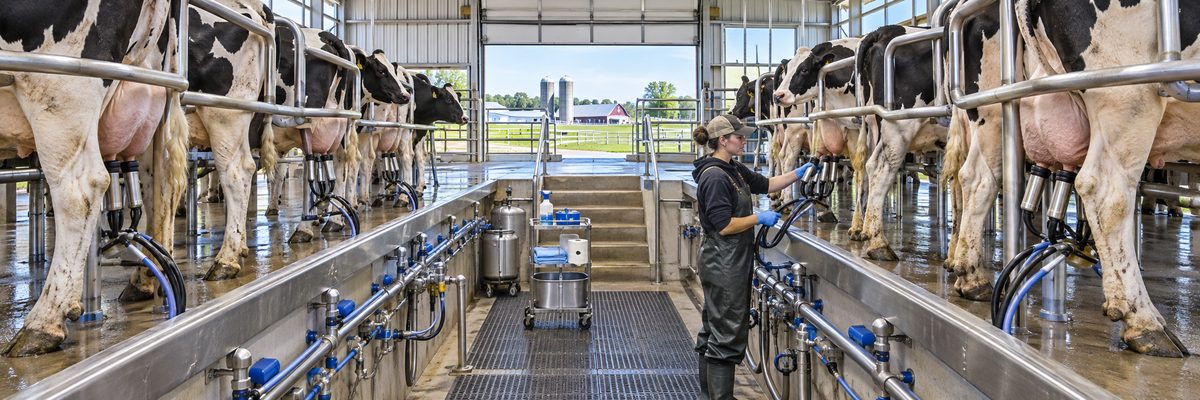
A cow does not own a watch, but she is the most punctual animal on the farm. Move milking up an hour on a Saturday because you have a wedding to get to, and by Monday you will hear about it from the bulk tank. Cows run on routine, and the milking schedule is the biggest piece of it.
The reason is partly physical and partly nerves. Milk let-down depends on a hormone, oxytocin, and stress interferes with it. Predictable timing, handling, and routine keep cows calm enough for that hormone to do its job. Break the pattern and you can get slower let-down, more milk left behind, longer unit-on times, and sometimes a dip in production that lingers for days.
That does not mean you can never change a thing. It means you change it deliberately, in small steps, and with the staff on the same page.
What is happening inside the cow
Short version: the cow is not being dramatic. It is chemistry.
Before milking, most of the milk in the udder sits in the small alveoli and ducts, not in the cistern where the machine can reach it. According to UW-Madison dairy extension, that is roughly 80 percent of it. Teat stimulation during prep sends a signal that releases oxytocin, which makes the cells around the alveoli squeeze and push milk down. Stress, pain, and fear trigger adrenaline, and adrenaline interferes with that response. The same UW piece notes that agitation within about 30 minutes before milking can disrupt let-down.
A cow who has been standing in the holding pen at the wrong time, or who has been moved around by an unfamiliar person, is the cow most likely to hold milk back. Add a late or early start and the whole routine she has learned stops matching her expectations. Fresh heifers, still learning the parlor, tend to show it first. Milk let-down problems and how to fix them goes through what you may see on the floor.
How schedule changes show up
- Slower or incomplete let-down. Longer unit-on time and more milk left in the udder.
- Restless cows. More stepping, kicking, and crowding at the parlor entrance.
- A temporary drop in milk. Often modest, though it varies by herd and how big the change was.
- Uneven intervals. With twice-a-day milking, intervals closer to equal tend to work best. A long gap one way and a short gap the other can cost some production. Intervals that drift further apart than usual can also add pressure on the udder.
- Udder health pressure. Longer gaps raise udder fullness and leaking, and rushed or inconsistent prep raises mastitis risk.
Size of the effect depends on the herd, stage of lactation, and how far you moved things. Treat these as patterns to watch for, not guarantees.
The real-life causes
Most schedule changes are not strategic. They are:
- A milker calling in sick, and the shift starting late.
- Daylight saving time. Cows do not recognize it, and the sun may be your only clue that everything shifted.
- A breakdown or a long wash cycle that pushes milking back.
- A hauler schedule change, or a vet visit, or a hoof trimmer who arrives at the exact wrong hour.
- A new crew that milks at its own pace.
- Seasonal labor patterns: planting, harvest, or a holiday.
The cow who gets milked an hour late does not care why. She just knows the barn did not do what it always does.
Changing the schedule on purpose
If you really do need a new milking time, such as a shift change, a new parlor, or a move to three-times-a-day milking, plan the transition.
- Move in small steps. Shifting by a modest amount every few days is easier on cows than one big jump. Exact steps vary, so watch the herd.
- Keep intervals as even as you can. Shift both milkings, not just one, unless the plan calls for something different.
- Keep everything else the same. Same prep, same order, same people where possible, same feed push-up and fresh feed timing. Feed timing matters; cows that come back to an empty bunk or eat at odd hours can be an issue of their own, as in why your cows are eating the wrong things at midnight.
- Tell the crew. A routine only works if everyone follows it. The consistent milking routine is the standard to write down and train to.
- Watch the numbers. Track milk per cow, unit-on time, and teat ends for a couple of weeks after the change.
- Be extra gentle with heifers. First-calf cows are the least forgiving; training first-calf heifers to the parlor pays off here too.
When you cannot avoid a disruption
Some days it happens anyway. A few things help:
- Keep handling calm. Quiet movement and patient gate work are free, and they matter more when the schedule is already off.
- Do not skip stimulation just because you are late. Full prep is what triggers let-down.
- Check cows that were overdue for fullness, leaking, and mastitis signs over the next few milkings. Call your herd vet if you see changes in milk or udders.
- Write down what happened so you know what a bad day looks like in your records.
Penn State Extension's piece on why seconds matter in a milking routine is a good look at timing inside the parlor, the other half of consistency.
For what it is worth, cows may care about this more than you think. This farm.FM story about a farmer's cow translator reports that the herd was mostly gossiping about chickens. Nobody on record says what they said about the milker who showed up late, but you can guess.
Quick answers
How much can I shift milking time without hurting production?
There is no single safe number, since herds differ. Small, gradual moves with even intervals are easier on cows than big jumps, and your own milk records will show what your herd tolerates.
Do cows adjust to a new milking schedule?
Yes. Most cows settle into a new routine within days to a couple of weeks if handling stays calm and the new times stay consistent. Heifers and fresh cows may take longer.
Does daylight saving time affect milking?
Cows run on their routine, not the clock on the wall, so the people usually carry the confusion. Keep the milking at the same clock times your cows know, or shift gradually, and make sure the crew agrees on which one.