Barns, Cow Comfort & Equipment
Stray Voltage in Dairy Barns: Finding the Cause
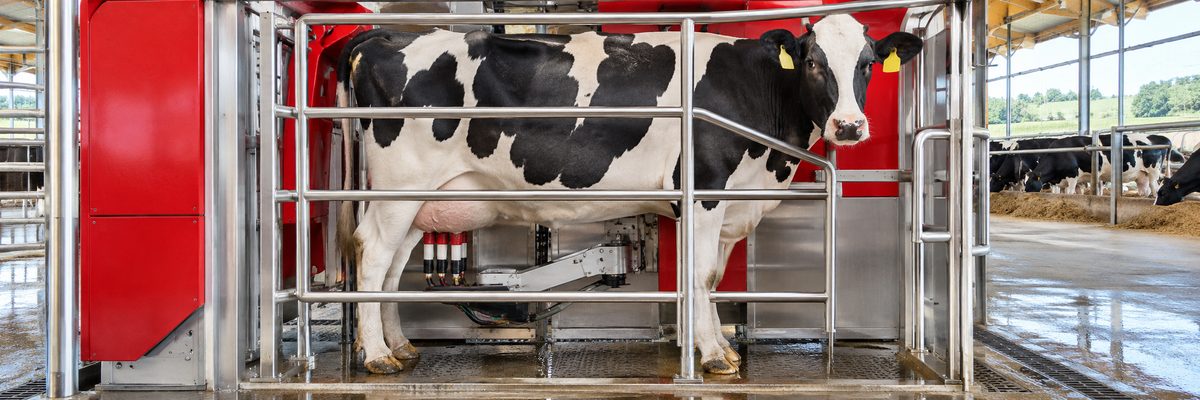
If your cows balk at the waterer, flinch in the stall or dance in the parlor, stray voltage is a fair thing to suspect, and a poor thing to assume. It is real, it can be fixed, and it is also the explanation people reach for when the true cause is a dirty water trough, a bad liner or a ration that went sideways. The way to sort it out is to test the electricity properly and, in the same breath, check everything else.
Do not grab a cheap voltmeter from the hardware store, touch a few pipes and decide you know the answer. Stray voltage testing needs the right meter, the right resistor, a plan for where cows actually make contact and someone who has done it before. Electricity does not care how long you have been farming. Cows have strong opinions about it, but they are terrible at filing reports.
What stray voltage actually is
The Wisconsin Department of Agriculture, Trade and Consumer Protection describes it in its veterinary paper on the state's stray voltage program. Electrical systems, both on the farm and on the utility's lines, are grounded to the earth by code for safety and reliability. Because of that, some current flows through the ground at each grounding point, and a small voltage develops, called neutral-to-earth voltage. When part of that voltage is measured between two objects a cow can touch at once, it is often called stray voltage.
So some stray voltage exists on practically every farm. What matters is how much reaches the cow, where, and how often. Wisconsin uses a "level of concern" of 2 milliamps AC, or 1 volt AC measured across a 500-ohm resistor, in the cow contact area. The state paper is clear that this is not a damage level. It is a conservative, pre-injury figure, set below the point where moderate avoidance behavior is likely, and it is the point where mitigation should start. Your own state, utility or public service commission may use different language or numbers, so ask them what applies where you farm.
The paper also splits that threshold in two: a 1-milliamp contribution from the utility, which the utility is expected to reduce, and a 1-milliamp contribution from the farm's own system, which is the farmer's job to fix. Knowing which side the problem sits on shapes who pays and who does the work.
Signs that make people suspect it
- Cows refusing to drink, or lapping at the water instead of drinking steadily.
- Nose-pressing or hesitation at waterers, feed rails or stall hardware.
- Flinching, stepping and kicking during milking, or cows that will not enter the stall.
- Whole-group tail switching.
- Lower milk, higher somatic cell counts or poor letdown with no clear reason.
The Wisconsin paper notes that the state's program studied those very behaviors, including tail-switching, nose-pressing, lapping at water and flinch-step-kick, to learn which ones were truly linked to electricity. The takeaway for a farmer: the behavior list is a reason to test, not a diagnosis.
A testing path that makes sense
- Write down what you see. Where, when, which cows, which groups. Note whether the problem changes with time of day, with the barn load, or with the weather. A pattern helps the tester more than a hunch does.
- Look for the obvious. Hot or warm outlets, corroded wiring, damaged conduit, a waterer that tingles a hand, a fan motor with failing insulation. Turn off power before you handle anything, and call an electrician for any repair.
- Call your utility. Many electric utilities have farm-service staff who will test, often without charge, and some states have formal programs. Check your state agriculture department or public utility commission for a stray voltage program.
- Bring in an independent tester. A qualified electrician or stray voltage specialist familiar with dairy barns can measure at cow contact points, use the right load resistor and look at both farm and utility contributions. Some states have university or state-agency help.
- Test at the right times. Readings can change with neighbor load, season and ground conditions. Ask the tester about timing and repeat testing.
- Fix the farm side first. Bonding metal in the cow area, correcting wiring problems and grounding properly are routine mitigations, and a licensed electrician should do them.
- Keep records. Dates, readings, who tested, what was changed and how cows responded.
Rule out the lookalikes
This is the part that saves money. Wisconsin's state program found that many farms' production concerns were not solved by electrical work alone, which is why its veterinary side measured things like water quality and intake, barn lighting, ventilation and milking-system performance, plus feed and herd health. It is a good model for any farm. Before you spend on rewiring, check these.
| Cow sign | Look at |
|---|---|
| Won't drink at one trough | Trough cleanliness, flow, height, water quality; waterer setup |
| Poor intake, off feed | Water quality and minerals; testing water for nitrates and sulfur |
| Kicking in the parlor | Vacuum level, pulsation, liner condition, rough handling, cold or sore teats |
| High cell counts | Milking routine, equipment, bedding hygiene, mastitis organisms |
| Cows hesitate at one spot | Slick floors, glare, dark corners, noisy equipment, a sudden shadow |
| Cows stressed in the barn | Heat, humidity, crowding, ventilation |
Milking equipment problems are a common stand-in for electrical ones, so a technician's evaluation of the system is worth scheduling. See the milking machine maintenance schedule for small dairies for what a decent routine includes. Poor ventilation and wet barns create their own set of cow behaviors, which you can read about in what the barn smell is telling you.
If stray voltage is in the milking barn
The parlor and milkhouse have their own issues because of pipelines, metal stalls, wet floors and cows touching several surfaces at once. The milking-focused side of the issue is covered in stray voltage in the milking barn. If cows are kicking off units, hold off on blaming the cow. Check the machine and the electrical system together.
Who to call, by situation
- Cows reacting at several places: start with your electric utility and a licensed electrician.
- Cows reacting only at one waterer or stall: inspect that piece of equipment, test it, and replace anything damaged.
- Performance down with no behavior changes: have your herd veterinarian, nutritionist and milking technician look first.
- Disagreement with the utility: contact your state agriculture department, public service commission, or extension dairy specialist for what programs exist in your state.
Your neighbor's theory, however confident, is not a measurement. Laws and programs vary by state, and some regions, such as the Upper Midwest and Northeast, have decades of experience with it, while other areas have fewer resources. Do not assume one state's threshold applies to yours.
Quick answers
Is stray voltage the same as a shock?
Not exactly. It usually describes small voltages cows can feel when contacting two metal objects, far below levels people notice. A tingle at a waterer can still change how a cow drinks, so test before you guess.
Will the utility test my farm for free?
Many utilities offer farm testing or have staff for it, and some states run formal programs. Call your utility and your state agriculture department to find out what is available.
Can I fix stray voltage myself?
Do not do electrical repairs on your own unless you are qualified. A licensed electrician can correct wiring, bonding and grounding problems safely and keep the work up to code.