Feeding a Family Cow on a Small Budget
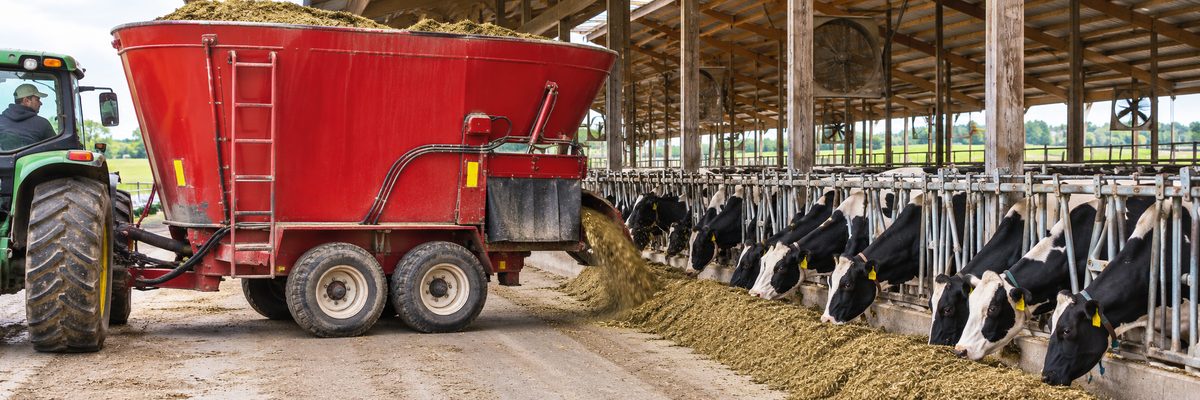
A family cow doesn't need a fancy ration. She needs good forage, clean water, a mineral she will actually eat and enough energy to make milk without losing her condition. Get those four things right and the rest is fine-tuning. Most of what blows a small feed budget is not the cow. It is buying grain she did not need because the feed store had a sale.
A single cow still has a rumen to keep happy, and the rules that govern a 2,000-cow dairy apply to her in miniature. The difference is that you can see her every day, which is a real advantage. You will notice when she turns up her nose at breakfast long before a computer would.
This guide covers the basic building blocks and how to keep costs down without shorting the cow. It is general information. For a specific cow, a vet or an extension agent who can look at her and your hay is worth more than any article.
Start with forage, because it is cheaper than grain
Forage is the cheapest way to feed a cow, and it is what her digestive system was built for. Good pasture, good hay or a mix covers most of what a cow needs, especially a Jersey or other smaller dairy breed with moderate production. Plan around:
- Pasture in the growing season. Young, leafy grass is high in protein and energy. Rotating her through a couple of small paddocks gets more from the same ground than turning her out on the whole field. Rotational grazing basics work the same way for one cow as for fifty, you just need fewer fence posts.
- Hay in the off season. Leafy, green, clean, fine-stemmed hay beats coarse and dusty every time. Legume hays like alfalfa and clover mixes run higher in protein and calcium than most grass hays.
- Enough of it. A cow in milk eats a lot, and she wastes a lot if you feed it on the ground. A simple hay feeder pays for itself in saved hay.
A forage test is worth the small fee if you buy hay in volume. Sampling forage for a lab analysis is not complicated, and it tells you whether the hay is carrying her milk or just her opinion of it.
Grain: feed to the milk, not to the bag
Grain is expensive energy. A cow on excellent pasture or top-quality hay may need little or no grain to give a reasonable amount of milk, while a high-producing fresh cow on mediocre hay will need more. The usual approach is to feed some grain at milking time, which also gives her a reason to show up, and adjust based on milk volume and body condition.
Points to keep in mind:
- Increase grain gradually. A sudden jump invites digestive trouble, and subacute rumen acidosis is easy to cause and not fun to fix.
- Keep forage as the base. Grain is the supplement, not the meal.
- Choose a feed from a reputable mill, formulated for dairy cattle. Do not feed a product labeled for another species unless the label and your vet say it is suitable. Some feeds include additives that are unsafe for cattle.
- Match protein to your forage. Legume hay already carries protein, so a lower-protein grain mix can be cheaper and still do the job.
Some family cow owners buy a simple grain mix by the bag, others mix whole grains and a protein source on their own. Mixing your own can save money, but it is easy to end up with an unbalanced diet. If you go that route, have someone qualified check the recipe.
Minerals and salt
Pasture and hay do not always supply everything a producing cow needs. Salt, calcium, phosphorus, magnesium and trace minerals all matter, and the soil in your area decides what is short. A loose, free-choice mineral formulated for dairy cattle, along with plain salt, is the usual starting point. Read the label for intake directions and check that she is actually eating it. Free-choice minerals versus minerals in the ration explains the trade-offs, and dairy mineral program basics covers the bigger picture.
Your extension office can tell you what tends to run short in local forage. Selenium, for example, is deficient in some regions and abundant in others, which is why local advice matters more than a general recommendation.
Water, the nutrient everyone forgets
A lactating cow drinks a great deal, and milk is mostly water. Clean, fresh water within easy reach is not optional. A frozen tank in January is a milk-production problem and a chore problem at the same time. How much water a dairy cow needs is worth a look when you plan your setup, particularly in hot weather and in cold climates where freezing is a concern.
Ways to keep costs down without cheating the cow
| Approach | How it saves money | Watch out for |
|---|---|---|
| Improve pasture management | Reduces hay and grain needed in the growing season | Overgrazing and bare spots |
| Buy hay at the right time and test it | Better price and better knowledge of what you are feeding | Storage losses; keep it dry |
| Use a feeder | Cuts waste | Make sure the cow can eat without getting hung up |
| Feed grain to milk production | Avoids paying for energy she cannot use | Underfeeding a fresh cow |
| Watch body condition | Spots over- and under-feeding early | Learn the scoring method |
| Dry her off on schedule | Lowers feed needs during the rest period | Check the plan with your vet |
Body condition tells you more than the scale at the feed store. Body condition scoring takes a couple of minutes and a hand on the hips and ribs. A cow that is getting thin in early lactation needs more energy, and a cow that is round as a barrel in the dry period needs less.
Two stages that need extra attention
Fresh cows and dry cows both have special needs. Around calving, the diet and the cow's health are tightly linked, and problems like ketosis and milk fever show up when the transition goes poorly. A family cow is not exempt. Talk to your vet about a plan for the close-up and early lactation periods. For a bigger picture, the transition cow feeding checklist lays out the main points.
When to call for help
You do not need a full-time nutritionist for one cow, but you do want somebody to look over the plan. A county extension agent, a feed-store nutritionist or your vet can all help, often for little or nothing. Penn State Extension and the University of Minnesota both publish dairy resources that apply to small herds, including the Penn State Extension dairy page and the University of Minnesota Extension dairy page. Call the vet right away if she stops eating, bloats, goes off her feed suddenly or milk production drops without an obvious reason.
Quick answers
How much grain does a family cow need?
It depends on her breed, stage of lactation, milk production and forage quality. A cow on excellent forage may need little, while a heavy producer needs more. Adjust gradually and watch body condition and milk.
Can a family cow live on pasture alone?
Some can, particularly moderate producers on good, well-managed pasture, but many need hay in the off season and a mineral supplement year-round. Grain may be needed in early lactation.
What is the cheapest way to feed a milk cow?
Good forage, managed well and fed with little waste, is the cheapest base. Keep grain to what milk production justifies and make sure salt, minerals and water are covered.