Breeding, Genetics & Reproduction
Holstein vs Jersey: Which Breed for Your Dairy?
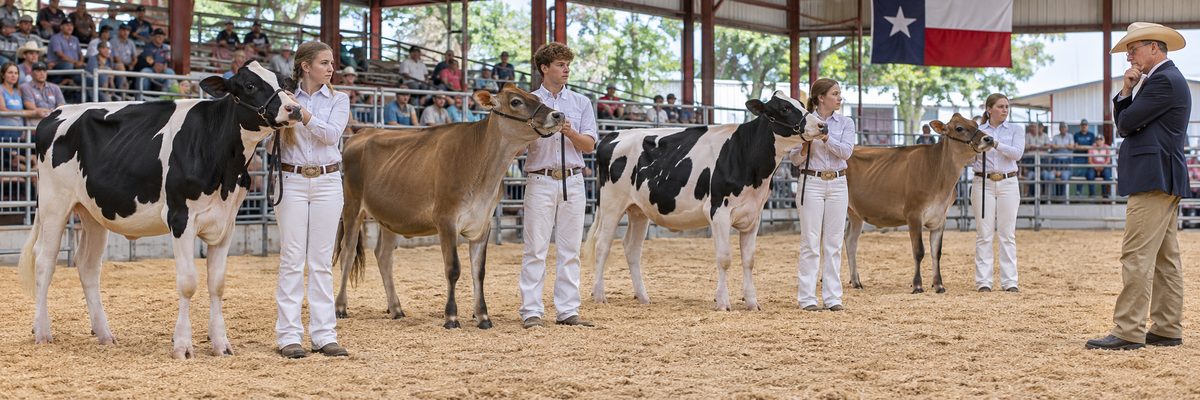
The Holstein-versus-Jersey argument has been going on at feed stores since there were feed stores. The Holstein folks say Jerseys are too small to matter. The Jersey folks say Holsteins eat like a flock of geese and pay about as well. Both sides have a point and neither one has to pay your milk hauler.
The honest answer is that it depends on how your milk is priced. A Holstein makes a lot more milk. A Jersey makes less milk with more butterfat and protein in it, from a smaller body. Which one earns more per stall depends on your component premiums, your facility, your climate and your cull and calf markets.
Let's lay out the real differences, then show how to run the numbers for your own barn.
Size and feed
A mature Holstein often weighs somewhere around 1,400 to 1,600 pounds. A mature Jersey is commonly around 900 to 1,000. That size gap shapes almost everything else. Holsteins eat more total dry matter, take up more bunk and stall space, and produce more manure. Jerseys eat less in total but a lot per pound of body weight, and they're often described as efficient converters of feed into milk solids.
That doesn't mean a Jersey is automatically cheaper to feed per hundredweight of milk. Feed cost per cow is lower, but cows are smaller and so are the milk checks per cow. What matters is feed cost against the value of the milk solids, and calculating feed cost per hundredweight of milk shows how to do that math without fooling yourself.
Milk volume and components
Holsteins lead on pounds of milk. Jerseys lead on butterfat and protein percentages, by a good margin in most herds. Here's the practical consequence: if your milk is paid mainly on volume with little premium for components, the Holstein usually wins on revenue per cow. If a cheese plant or handler pays well for butterfat and protein, or if you sell the milk yourself, the Jersey can close the gap or pass her.
Don't guess at this. Pull a recent milk check and look at what you're paid for each part. How to read your milk check goes line by line, and butterfat versus protein pricing explains why the same hundredweight can be worth different amounts at different plants. Milk pricing and component formulas differ by federal order and by handler, so your own plant's pay sheet is the final word; the USDA Agricultural Marketing Service explains the federal order system if you want the background.
Health, fertility and temperament
- Heat. Jerseys generally handle heat better than Holsteins, which is one reason they show up often in the Southeast and Southwest. Holsteins can do fine with serious cooling, but they need it.
- Fertility. Jerseys often breed back more easily, though plenty of exceptions exist, and sire selection matters either way. Sire fertility traits work for both breeds.
- Milk fever. Jerseys are more prone to it, so the dry cow and fresh cow program needs to be tight.
- Calving. Jerseys are smaller but their calves are small too, and calving trouble is less common in many herds. Holstein heifers still need good size at breeding.
- Temperament. Jersey cows are often curious and busy, and Jersey bulls have a nasty reputation. That's a point for artificial insemination and against keeping a bull around.
These are broad tendencies. A well-managed herd of either breed will beat a sloppy herd of the other.
Calves and cull cows
This is where Jerseys take their lumps. Holstein bull calves and cull cows usually bring more money than Jersey equivalents, because there is more beef on them and an established market. Jersey bull calves can be worth very little in some areas, though some farms find a use for them by raising them on to market weight or by breeding Jersey cows to beef sires. If you rely on calf and cull income, run that into your comparison.
Facilities and equipment
Stalls, headlocks, alley widths and parlor stall dimensions are built around cow size. A Jersey in a stall sized for a big Holstein may lie diagonally and get dirty. A Holstein in a stall sized for Jerseys is simply a Holstein in a stall that's too small, which causes lameness and injuries. If you're switching breeds or mixing them, read how to size freestalls for your cows before you buy a single heifer.
Running the numbers for your own dairy
- Collect twelve months of milk checks, noting component tests, volume and premiums.
- Estimate revenue per stall per year for each breed, not per cow. Jerseys fit more cows into the same space in some barns, and that changes the math.
- Estimate feed cost per cow and per hundredweight, using your actual ration.
- Add calf and cull income, and subtract any breed-specific health costs you expect.
- Consider labor: milking time scales with cow numbers, not with pounds of milk.
You might discover that the winner depends on the year, which is the real reason many farmers run both or cross them. A comparison of all the dairy breeds shows how the others fit in if neither of these two feels right. The American Jersey Cattle Association publishes Jersey breed information, and Penn State Extension has dairy management resources that apply to either breed.
Two cows, two opinions
For what it's worth, the cows have opinions too. This farm.FM piece on Holsteins learning their spots are worth less than their feed finds a herd near Rochester, Minnesota, reckoning with the fact that markings can't be deposited at the feed store. Across the country, Jersey cows in Lancaster, Pennsylvania, threaten to withhold their rich milk until accounting recognizes what premium butterfat is worth. Between them, they've covered most of the argument.
Quick answers
Do Jerseys really make more money than Holsteins?
Sometimes. If your milk check pays strongly for butterfat and protein, or you sell your own milk, Jerseys can match or beat Holsteins per stall. If you're paid mostly on volume, Holsteins usually come out ahead.
Which breed handles heat better?
Jerseys generally tolerate heat better because of their smaller bodies. Holsteins can do well in hot climates if you invest in shade, fans, soakers and a good cooling plan.
Can I breed Jerseys and Holsteins together?
Yes, and plenty of herds do. Crossbreds can capture some of the strengths of both, but you'll want a plan for sires and stall sizes. The pros and cons of crossbreeding covers what to expect.