Breeding, Genetics & Reproduction
How to Artificial Inseminate a Dairy Cow Step by Step
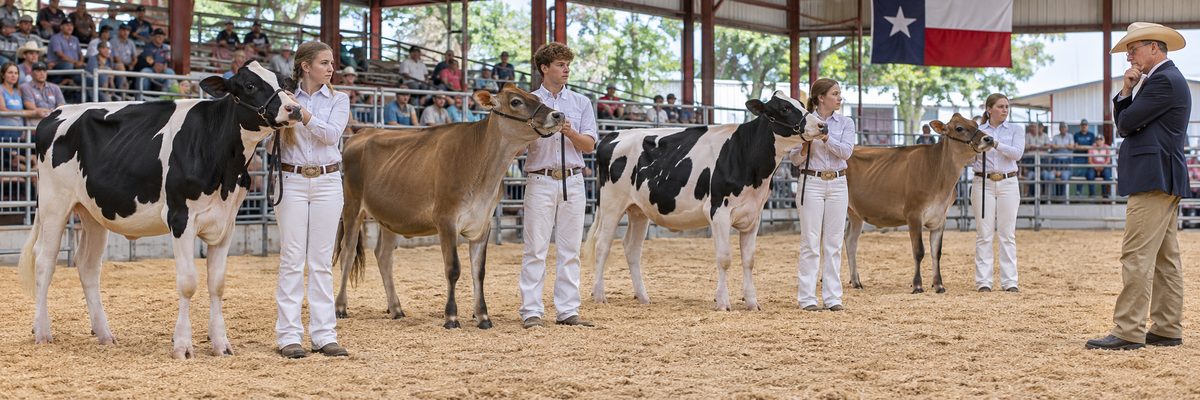
Artificial insemination looks easy when a good technician does it. She walks up, ties the tail, slides an arm in, and walks off, and the whole thing takes about as long as a cup of coffee cooling. That ease is the product of a lot of practice, and nobody gets it from a blog post.
This article is a general overview of how AI works and where it goes wrong, so you can understand what a technician does, evaluate your own results or decide whether to learn the skill. It is not a substitute for hands-on training from an AI course, an experienced technician or your veterinarian. Palpating the cow and placing semen in the right spot is learned by feel, ideally with someone who can correct you in real time.
The most common AI failures have nothing to do with the semen. They happen before the straw ever leaves the tank, or after the cow has been bred on the wrong day. So we'll cover the whole process, from planning to follow-up.
Step 1: Confirm the cow is a candidate
Before anything else, make sure it's right to breed this cow today. Check:
- She's past your voluntary waiting period and is in standing heat, or is part of a planned timed-AI protocol.
- She's open. Never inseminate a cow you believe could be pregnant without checking with your vet first, because it can cause loss.
- She's healthy, with no abnormal discharge or fresh cow problem that needs treatment.
- You know the sire you intend to use and the plan for her genetics.
The timing side is covered in best time to breed after standing heat. Write down the time you first saw her stand. A technician who knows that can make a much better decision than one who is told "she was kind of acting funny yesterday."
Step 2: Prepare the equipment and the semen
The semen tank is the most fragile link. Straws must stay frozen in liquid nitrogen until you need them, and exposure to warmer air, even briefly, can damage the sperm. Keep canisters below the neck of the tank when you're picking a straw, and never leave them up in the open while you chat. For handling and thawing details, the semen tank handling and thawing guide goes step by step.
Thaw the straw exactly as the semen supplier directs. Instructions differ by product, and conventional and sexed semen are not treated the same, so read the label and ask your rep. Typically a warm-water bath is involved, with a timing and temperature specified for that product. Don't guess, and don't thaw more straws than you can use right away.
Load the AI gun carefully, and keep it warm and protected from cold, sunlight and dirt until use. Have a clean sheath, a clean OB sleeve and lubricant ready, along with paper towels for the vulva.
Step 3: Restrain and prepare the cow
Work with the cow in a headlock, a stanchion or another restraint that keeps both of you safe. Cows that are relaxed are easier to breed and safer to work around, so move quietly. Tie the tail or hold it to the side. Clean the vulva by wiping it from the top down with a clean paper towel so manure and dirt don't travel forward during insemination. Don't scrub so hard you irritate her.
Safety is a real concern. A cow behind you can kick, and one beside you can swing a hip. Stay aware of where the cow's feet are, and don't rush a nervous one.
Step 4: The technique, in general terms
This is where hands-on training matters most. In general terms, the technician:
- Puts a gloved, lubricated hand into the rectum and removes manure so the reproductive tract can be felt.
- Locates the cervix through the rectal wall and holds it steady.
- With the other hand, gently opens the vulva and slides the loaded gun in, angling it upward at first to avoid the urethral opening, and then forward.
- Guides the tip through the folds of the cervix, using the hand in the rectum to straighten and steer, without forcing it.
- Stops with the tip in the right spot, just past the cervix in the uterine body, and deposits the semen slowly.
- Withdraws the gun carefully and checks the equipment.
The two things beginners most often get wrong are force and depth. Pushing through the cervix with brute strength, or going too deep and depositing semen in one horn, lowers the chance of conception and can injure the cow. Gentle and steady wins over hard and fast. If the gun won't pass, don't muscle it; ease off, reposition and try again, or give up and call someone more experienced.
Step 5: Record and follow up
Write down the cow's ID, the date and time, the sire and straw details, who bred her and anything unusual about the insemination. Those notes turn into your breeding record, which is what lets you spot patterns later. Breeding records worth tracking lists the useful fields.
Then plan the pregnancy check. Cows that aren't pregnant need to be found and rebred quickly, which is why checks are scheduled in advance; see pregnancy checking methods. Watch the cow for a return to heat about three weeks later, too.
Common technician errors
| Error | What it does | How to avoid it |
|---|---|---|
| Poor semen handling or thawing | Damages sperm before they reach the cow | Follow supplier instructions, keep straws protected |
| Wrong timing | Sperm and egg miss each other | Record time of first standing heat |
| Forcing the gun through the cervix | Injury, lower conception | Gentle steering, stop if resistance builds |
| Dirty vulva or equipment | Carries bacteria into the tract | Clean the vulva, use fresh sleeves and clean tools |
| Depositing semen too deep or too shallow | Reduces conception | Practice and feedback from an experienced technician |
| Breeding the wrong cow or wrong sire | Genetic and record problems | Verify ID and straw before breeding |
Should you learn to do it yourself?
It depends on your herd size, your time and your patience for a learning curve. Learning takes practice on cows that don't mind being used for training, and your own results may be lower than a seasoned technician's at first. Doing your own AI versus hiring a technician lays out the trade-offs, and AI training courses for dairy farmers points you toward the formal options. Many dairy states offer short courses through extension, AI companies and breed or industry groups. Ask your vet or your semen rep what's available nearby.
If you're using sexed semen, a technician with experience handling it can help a lot; sexed semen for heifers covers the economics and handling concerns. And if you've bred a cow several times without success, repeat breeder causes and fixes is the place to start before you blame your technique.
For recognized training and reproductive management guidance, look at the Dairy Cattle Reproduction Council and your land-grant dairy program, such as University of Wisconsin Extension dairy.
Quick answers
Where is semen deposited in a cow during AI?
In general, in the uterine body just past the cervix. Exact placement is a skill learned with hands-on instruction, and depth matters.
How long does it take to learn artificial insemination?
A short course gives you the basics, but most people need a good deal of supervised practice before their results match an experienced technician's. Be patient, and track your own conception rates.
Can I do AI on a cow that might already be pregnant?
No, not without checking first. Inseminating a pregnant cow can cause pregnancy loss, so confirm she's open, and ask your vet if you are unsure.