Breeding, Genetics & Reproduction
Dairy Cattle Breeds Compared Side by Side
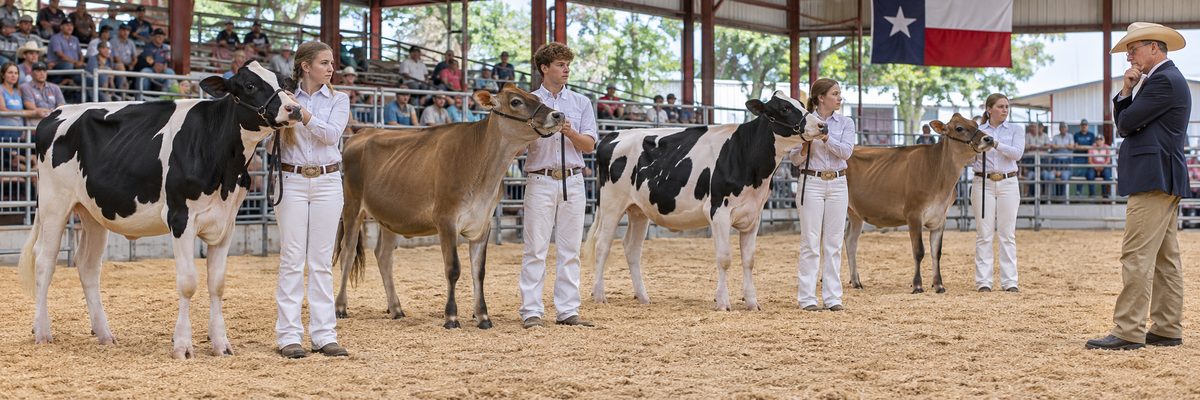
Every dairy breed has a loyal following, and every follower has a story about a cow that out-milked the whole barn. Both things can be true. The breed question mostly comes down to how your milk is paid for, what your barn and pastures look like, and how much cow you want to feed.
The quick sort: Holsteins make the most milk, Jerseys make the richest milk and eat the least, Brown Swiss are big, sturdy and strong in protein, Ayrshires are hardy and graze well, Guernseys sit between Jersey and Holstein in size and are known for their rich, golden-tinted milk, and Milking Shorthorns bring dual-purpose heritage and a calm nature. Individual cows and herds vary a lot inside every breed, so treat everything below as tendencies, not guarantees.
Here's the longer version, plus how to decide.
The six breeds at a glance
| Breed | Typical size | Milk volume | Components | Notes |
|---|---|---|---|---|
| Holstein | Largest, often around 1,400 to 1,600 pounds mature | Highest | Lower butterfat and protein percentages | Dominant in commercial herds across the country |
| Jersey | Smallest, often around 900 to 1,000 pounds mature | Moderate | High butterfat and protein | Strong feed efficiency per pound of body weight, heat tolerant |
| Brown Swiss | Large, often around 1,400 pounds mature | High | Good protein, good butterfat | Sturdy feet and legs, calm, slower to mature |
| Ayrshire | Medium, often around 1,100 to 1,300 pounds | Moderate to high | Moderate components | Hardy, good udders, suits grazing |
| Guernsey | Medium, often around 1,000 to 1,200 pounds | Moderate | Rich butterfat and protein | Golden-colored milk, efficient, smaller national herd |
| Milking Shorthorn | Medium to large | Moderate to high | Moderate components | Dual-purpose roots, calm, small registered population |
Those weights and rankings are rough, based on common breed descriptions, and your own herd could easily land outside them. Breed association websites give the official descriptions, and a herd's own DHI records tell you more than any table.
Holstein: volume and the milk tanker
If your milk is mostly paid on volume, the Holstein is the cow the system was built around. She makes more milk than the others and fits the parlors, freestalls and rations of most large and mid-size herds. The trade-off is lower components, bigger bodies to feed and, in some hot or grazing regions, more struggles with fertility and heat. Many herds that run Holsteins also use crossbreeding to patch those weak spots, a topic we cover in crossbreeding dairy cattle.
Jersey: components and efficiency
The Jersey makes less milk but a lot of butterfat and protein per hundredweight, and she does it at a smaller size. In markets where cheese plants pay for components, or where a premium is paid for butterfat, that can be a real advantage. Jerseys are also usually well suited to heat and grazing. Their weaknesses include lower salvage value, smaller bull calves that are harder to sell, and a tendency to milk fever if the dry cow program is sloppy. For a closer pairing of these two breeds, see Holstein versus Jersey. The American Jersey Cattle Association publishes breed information and registration details.
Brown Swiss: the big calm one
Brown Swiss cows are large, sturdy and often described as docile. They're known for strong feet, good longevity and good protein content in the milk, which matters in cheese markets. They mature more slowly than Holsteins, which can mean heifers calving a bit later. The Brown Swiss association has breed information and a directory of breeders.
Ayrshire: the hardy grazer
Ayrshires have a reputation for hardiness, strong udders and good performance on pasture. Their milk is middle of the road for components. They're a good fit for grazing herds and for farmers who want a cow that handles weather without fuss. The Ayrshire Breeders' Association lists breeders and sires.
Guernsey and Milking Shorthorn: the smaller herds
Guernseys offer rich milk with a golden tint and good feed efficiency, at a size that sits between a Jersey and a Holstein. Their numbers are smaller, which means fewer sire choices and a smaller pool of replacement stock. Milking Shorthorns are known for their calm nature and dual-purpose roots, which can help when you also want beef from steers and cull cows. Both can work well for small farms, grazing herds and farmstead cheese or bottling operations where the story of the milk is part of the product. The same small numbers mean you'll want to plan around semen availability and inbreeding early.
How to choose a breed
- Look at your milk check. If you're paid mostly on volume, Holstein tends to lead. If components carry the premium, Jerseys, Guernseys and Brown Swiss look better. Start with butterfat versus protein pricing to see how your milk is actually valued.
- Match the cow to the facility. Stall size, feed bunk space and parlor stalls are all designed around cow size. A Jersey in a Holstein stall has different problems than a Holstein in a Jersey stall, and neither is much fun.
- Think about climate and system. Heat in the Southeast and Southwest favors smaller, heat-tolerant cows. Cold, confinement systems in the Upper Midwest and Northeast suit most breeds, and grazing herds in places like the Northeast or New Zealand-style systems often look at crossbreds; see the best breeds and crosses for grazing dairies.
- Check availability. Local AI service, sire selection and the resale market for bull calves and cull cows matter more than you'd think.
- Consider your own taste. You'll be looking at these cows twice a day for years. If a breed makes you smile or sigh, that counts for something.
If your plan is a single house cow and not a herd, the picture shifts, and the best breed for a family milk cow covers that.
A note from the barnyard
Breed loyalty runs deep enough that farmers have been known to drive across state lines to look at a cow they'd never buy. It can get political, too, which is the joke in this farm.FM piece on dairy breeds running an election campaign in Wisconsin, where every candidate promises more hay and everyone wants the best shade tree.
Quick answers
Which dairy breed makes the most milk?
Holsteins make the most milk per cow on average. Other breeds usually make less volume but more butterfat and protein per hundredweight, so total pay can look different depending on your milk market.
What is the best dairy breed for grazing?
Many grazing herds use Jerseys, Ayrshires, Guernseys or crossbreds because smaller, hardy cows tend to handle pasture and mixed weather well. Holsteins can graze too, but they usually need more feed support to keep up their milk.
Can I mix breeds in one herd?
Yes, and many herds do, either by running several breeds or by crossbreeding. Just plan for stall sizes, feed rations and breeding records so the mixed herd doesn't become a mixed-up one.