Dairy Business, Finance & Labor
Yearly Insurance Review Checklist for a Dairy Farm
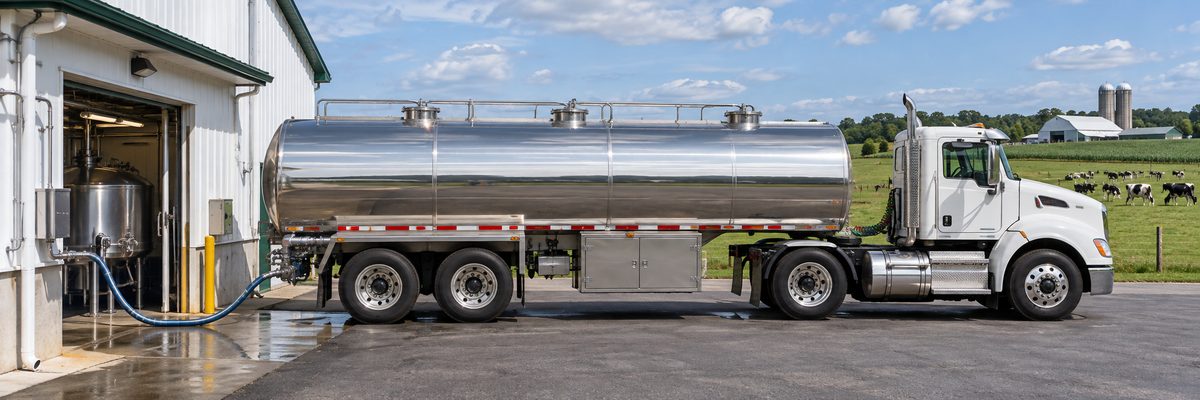
Most dairy insurance problems are found the worst possible way: after a loss. The barn was insured for what it cost to build when your father built it. The new freestall addition never got added to the policy. The bulk tank sat full of milk when the power went out and the policy had something to say about that. A once-a-year review is cheap, boring, and a lot less painful than discovering the gap on the day of the claim.
Pick a time of year when you can think, which on a dairy is never but is occasionally possible. After silage is put up is a popular one, or a slow stretch in winter. Block out a couple of hours, gather your policies and your latest balance sheet, and sit down with your agent. The checklist below is built to be worked through in that meeting.
General education only. Coverage terms vary by carrier and by state, so use this list to ask questions, and let the policy language and your agent supply the answers.
Before the meeting: get your paperwork together
- Every current policy, including declarations pages and endorsements. If you cannot find an endorsement, that is a question in itself.
- A current list of buildings with approximate replacement cost, square footage and any changes since last year.
- Equipment inventory with year, make, model and approximate value; add the milking system, bulk tank, mixer wagon, skid steers and anything bought or sold.
- Herd numbers by group: milking cows, dry cows, bred heifers, calves.
- Payroll by job type and a list of anyone who is not a W-2 employee.
- Your year-end financial checkup numbers, so the insurance conversation lines up with the real balance sheet.
The checklist
Buildings and structures
- Are buildings insured at replacement cost or at actual cash value, which subtracts depreciation? Older barns can look cheap on paper and cost a fortune to rebuild.
- Do limits reflect what it would take to rebuild to current codes? Ask how the policy treats code upgrades.
- Are additions, remodels, new parlors and new freestall space listed?
- How are manure storages, lagoons, silos and bunkers treated? Many are limited or excluded.
- Does the policy require a minimum condition or inspection for older structures?
Herd and livestock
- Which perils are covered for livestock? Many policies list specific causes such as fire, lightning or windstorm and exclude others.
- Is there a per-head or per-animal limit that no longer matches today's cow values?
- Are animals in transport covered? Penn State Extension's guidance on farm owner's coverage notes that animals going to market need to be listed on the policy to be covered if there is an accident.
- Are animals at a custom heifer raiser's lot, a show or a fair covered where they are?
Equipment and breakdown
- Is equipment insured at replacement cost, and does it cover the real fleet including the stuff you bought used and never listed?
- Does the milking system, vacuum pump, compressor or bulk tank have equipment breakdown coverage?
- Is there coverage for milk loss from refrigeration breakdown or power outage? Some farm policies offer spoilage coverage for milk in the tank; ask what causes it covers and what it excludes.
- Do you own a standby generator, and is it covered? If you do not own one, the review is the time to price the loss against the unit.
Income and extra expense
- Is there any coverage for lost income or extra expense after a covered loss, like renting space for cows after a barn fire?
- What is the waiting period and the limit?
Liability
- What are your per-occurrence and aggregate limits, and how do they compare with net worth? Which liability coverage and limits make sense goes into this in more depth.
- Is there an umbrella policy, and does it sit on top of farm, auto and employer's liability?
- Have you added agritourism, farm store, bottling, cheese or events since last year? Tell your agent in writing.
- Is there pollution coverage for manure releases?
Workers and vehicles
- Is workers compensation in place and are payroll estimates and job classes accurate?
- Are all vehicles used on the farm, including pickups, trailers and anything driven on a public road, on the right policy?
- Do you have proof of coverage from contractors and haulers on file?
Weather and catastrophe
- Which deductibles apply to wind, hail and named storms? A percentage deductible on a large insured value can be a big number.
- Is flood covered? It is usually excluded from standard farm policies and handled separately.
- Is there a plan for the first week after a storm? Southeast storm insurance and recovery planning walks through what to document and who to call.
Revenue tools, which are not the same as property insurance
- Have you reviewed your options for margin and revenue protection since your costs last changed? Dairy Margin Coverage versus Dairy Revenue Protection lays out the differences.
- Dairy Revenue Protection is sold through crop insurance agents and is part of the federal crop insurance program run by the USDA Risk Management Agency. Their site is rma.usda.gov.
Questions that tend to save money
The review is not only about adding coverage. Ask what you can safely do to lower cost without opening a hole. Raising a deductible on small losses might save premium if you can absorb the loss out of pocket. Bundling farm, auto and umbrella with one carrier may help, though the cheapest bundle is not always the best coverage. Dropping coverage on a building you no longer use, or a piece of equipment you sold, is a clear win. Nobody gets a medal for insuring the old heifer shed that fell down in a windstorm last spring.
Equally, think about what a total loss would do. If a fire destroyed your parlor and barn, how long would it take to get back to milking? Where would the cows go? The insurance check matters, but so do contractors, permits, and the milk market while you are out of production. Build a short written plan: whom to call, where the policy copies are stored, and who handles which task. Put a copy somewhere that would survive a fire. A binder in the office of the burning building is a classic.
Record the results
When you finish, write down what changed. Note the date of the meeting in your farm calendar for next year, keep a copy of the agent's summary with the policies, and update your inventory. If a coverage was declined, note why. Photographs of buildings, equipment, animals and feed storage, along with serial numbers for major machinery, make a claim go much faster. Store them in the cloud as well as on the farm. For help deciding where everything lives, what to track and where is a good companion.
Quick answers
How often should I review my farm insurance?
At least once a year, and any time something big changes. Buying land, building a barn, adding cows, starting a farm store or hiring a crew should all prompt a call to your agent before the change, not after.
What is the difference between replacement cost and actual cash value?
Replacement cost pays what it costs to replace the item with a new one of like kind. Actual cash value pays replacement cost minus depreciation, so on an older barn or machine the check may be much smaller.
Is milk lost in the bulk tank during a power outage covered?
Some farm policies offer spoilage or refrigeration breakdown coverage, and some do not. Ask your agent what causes are covered, what the limit is, and whether the outage has to come from a covered event.