Breeding, Genetics & Reproduction
Registering Dairy Cattle: Papers, Fees and Why It Matters
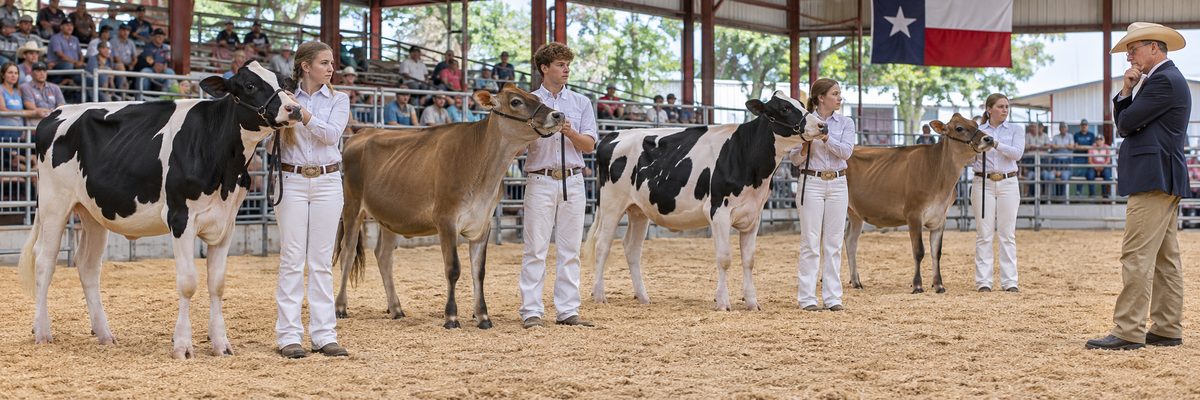
Plenty of good cows have no papers, and plenty of papered cows aren't worth the feed. Registration doesn't make a cow better, any more than a nice frame makes a bad painting good. It proves who her parents were, and in the dairy business, that proof is what turns a good cow into one that can be sold, bred and tracked.
Here's the short answer. Registration through a breed association (Holstein Association USA, the American Jersey Cattle Association, the Brown Swiss, Ayrshire, Guernsey and Milking Shorthorn associations) records a calf's parentage, birth date and identity. For a commercial milk producer who never sells breeding stock, papers are often optional. For anyone who sells heifers, bulls or embryos, shows cattle, or wants to buy semen and sell on pedigree, they matter a lot.
Fees, forms, deadlines and rules differ by breed association and change from time to time, so treat the outline below as the general pattern and confirm the details with your association before you start.
What registration actually gives you
- Proof of parentage. A registered calf has a recorded sire and dam. That backs up your breeding records and your genetic evaluations.
- A unique ID. Registered animals get an identification number that follows them through ownership changes.
- Access to genetic evaluations. Evaluations are tied to registered, identified animals, and your cows and bulls need to be on file to get the proofs you read on a sire sheet. If you haven't read one in a while, how to read a sire proof is a good refresher.
- Market value. Registered heifers and bulls usually sell for more than grade animals, and buyers of breeding stock often won't look at animals without papers.
- Show eligibility. Most breed shows require registered animals, which matters for 4-H and FFA youth who show.
- Semen and embryo sales. If you ever want to sell semen or embryos, registration is a requirement, not an option.
What registration costs
Costs usually come in layers. There's typically a membership fee for the association, a registration fee per animal, and sometimes extra charges for late applications, transfers and DNA work. Member rates are usually lower than non-member rates, and registering a calf soon after birth usually costs less than registering an older animal. Fees can be higher for animals whose parentage needs extra verification.
Check each association's current fee schedule on its website or by phone, and don't rely on a number a neighbor remembers from years ago. Here are the associations to start with: the American Jersey Cattle Association, the Brown Swiss association and the Ayrshire Breeders' Association. Holstein Association USA runs registration for Holsteins, and you can find it by searching its name.
The general process
- Join the association if you plan to register several animals, since member rates usually pay for themselves.
- Identify the calf. Write down the birth date, sex, color markings or other identification, and the dam and sire. Your ear tag or other ID system should tie directly to your records.
- Confirm the sire. If the calf came from artificial insemination, keep the breeding record and the semen straw or bull information. If a bull was used, record which one and when.
- Submit the application. Most associations now accept online submissions, and some still take paper forms. Deadlines apply, and late registrations cost more or require extra proof.
- Add DNA verification if required. Parentage checks through DNA testing are common and sometimes required. Genomic testing can double up as parentage verification; genomic testing dairy heifers covers what that costs and returns.
- Transfer on sale. When you sell a registered animal, the buyer needs a transfer, and the seller usually files it. Keep copies.
Records come first
Registration is only as good as the records behind it. If you can't say for certain which bull sired a calf, or the calf's birth date is a guess, the paperwork will turn into a problem. A tidy system for calving dates, breeding dates and calf IDs is the foundation, and breeding records every dairy farmer should track covers the minimum. A cow that was born on a Tuesday, or maybe a Thursday, is a cow that nobody can verify.
Is it worth it for your herd?
It depends on what you sell and how you plan to use cattle.
| Situation | Registration worth it? |
|---|---|
| Commercial herd, selling only milk and cull cows | Often optional, but genetic evaluation and parentage records still help |
| Selling heifers or bulls to other farms | Usually yes, because buyers expect papers |
| Raising show animals or youth projects | Yes, shows usually require it |
| Selling semen or embryos | Required |
| Family cow or homestead | Optional, but helpful if you want to breed and sell calves |
| Crossbred cows | Generally not eligible for purebred registry |
If you're keeping a crossbred herd, the trade-offs are laid out in crossbreeding dairy cattle. A grade cow can be an excellent cow, but she can't be sold on pedigree.
Common mistakes
- Waiting too long. Registering late can cost more and make it harder to prove parentage.
- Poor calf identification. A tag that fell out and a handwritten note don't make a registration.
- Forgetting the transfer when you sell. The new owner will remember, loudly.
- Assuming a purebred-looking cow is registered. Some of the best-looking cows on any farm are sold without papers and always will be.
- Registering animals you'll never use, then paying fees on cows that are culled within a lactation.
Quick answers
Do I need papers to sell a dairy cow?
Not for milk cows or cull cows going to market. Buyers of breeding animals, show animals or animals for AI often expect registration, and the price can reflect it.
How long do I have to register a calf?
Each association sets its own rules and time limits, and late applications usually cost more. Check with your breed association as soon as the calf is born.
Can I register a cow I bought without papers?
Sometimes, with proof of parentage or through a grade or recording program, but rules vary by association. Contact the association before you buy, not after.