Breeding, Genetics & Reproduction
Activity Collars vs Tail Paint for Heat Detection
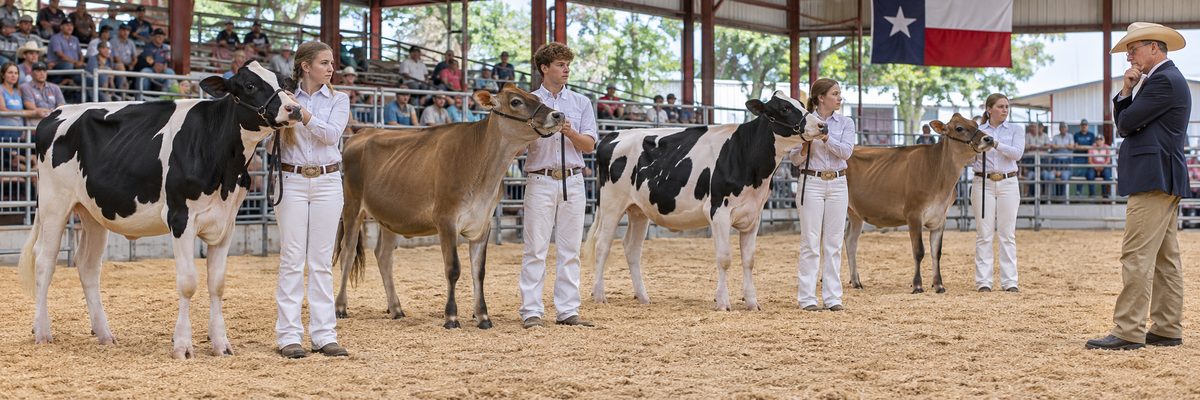
On one side you have a can of paint, a stick and a lot of squatting behind cows. On the other, a collar that texts you when a cow gets frisky. Both work. Both also fail when nobody looks at them, which is the part the sales brochure leaves out.
For a mid-size herd, the real question isn't which one is best in a trial. It's which one your crew will actually use every day, at a cost that you can pay back through more cows bred on time. Tail paint is cheap and needs eyes and hands. Collars are expensive up front and need less labor, but they require a good setup and a person who reacts to the alerts. Many herds end up using both.
What each method actually tells you
Tail paint and chalk
You put a stripe of paint or chalk on the tail head. When another cow mounts and rubs it, the paint scuffs. A scuffed stripe says a cow was ridden. It doesn't tell you when, how long, or whether she stood still for it. It also fails if the paint is old, dirty or covered in manure.
Heat-mount detectors
These are small patches glued to the rump or tail head that change color when pressure and friction activate them. They are a step up from paint because they are more consistent, but they can fall off, activate from rubbing on a gate or get covered in manure. They share the same weakness: a changed detector tells you something happened, not what.
Activity collars and ear tags
These devices measure how much a cow moves, and many also record rumination and rest. A cow in heat tends to move more, so the system flags a jump over her own baseline. The better ones learn each cow's pattern, and some also flag health events. They need software, a reader and some training, and they only help if someone looks at the list and acts on it.
Side-by-side comparison
| Feature | Tail paint or chalk | Mount detectors | Activity collars or tags |
|---|---|---|---|
| Up-front cost | Very low | Low per cow, repeats | High, plus system fees in some cases |
| Labor | Daily check and repaint | Daily check and replacement | Review daily alerts |
| Catches silent heats | Partly | Partly | Often better, especially at night |
| False alarms | Rubbing, dirt, gates | Rubbing, gates | Sickness, stress, regrouping |
| Extra data | None | None | Rumination, rest and health flags |
| Weakness | Needs good eyes and routine | Falls off, covers over | Needs software and action |
Prices and plans change often and vary by vendor and herd size, so ask for a written quote and a trial before you sign for a full herd. Some dealers will run a pilot on a pen.
The labor question is bigger than the price question
Here's the thing about a bargain: tail paint costs almost nothing, and that is until you count the labor. Somebody has to put paint on every fresh cow, check the stripe each day and repaint. In a 150-cow herd that's real minutes every morning. If paint is applied by a different person each week, you get uneven results and an argument at the parlor about whose job it was.
A collar system moves the work from your hands to a screen. You aren't squatting behind cows, but somebody still has to open the list, read it, choose which cows to breed and tell the inseminator. If that person is out sick for a week, the collars do not breed cows on their own. They have a very good memory and no initiative.
Accuracy: what to expect, and what to ask
Studies and vendor trials report a range of detection results, and the numbers vary with herd type, housing, cow flow and how the system is configured. Rather than trust any one claimed percentage, test it on your own farm: compare the alerts to the cows your vet confirms in heat or that get pregnant after breeding, and count cows the system missed. Ask any vendor:
- How does it set each cow's baseline, and how long before a new cow is useful?
- What happens if a cow stands in the headlock a lot or has a sore foot?
- How does it handle regrouping, hot weather and fresh cows?
- What does it cost in subscriptions, replacements and lost devices over several years?
- Who do you call at 5 a.m. when the reader goes down?
Match the tool to the herd
A smaller herd with a steady crew
Tail paint plus careful observation works if you have time to look at cows at set times. Add mount detectors if you are tired of repainting. You'll still want good heat detection practice to make any tool pay.
A mid-size herd with limited labor
Collars or tags tend to make sense when you can't spare a person to watch cows, especially if you want the health alerts as well. Many farms already use rumination monitors for health alerts, so the heat function can ride on equipment that earns its keep elsewhere.
A herd that doesn't want to detect heat at all
Some herds breed everybody on a schedule instead. That changes the whole labor picture, as covered in timed AI versus heat detection programs. It costs drugs and discipline, but it also removes the guessing.
Doing the math on payback
The reason to spend money here is days open. Every extra day a cow stays open costs you milk, feed and a calving later than planned; the cost of a day open lets you plug your own numbers into the question. If a system gets more cows bred on time, pregnancy rate rises and you carry fewer open cows. To see how that shows up in your reports, read pregnancy rate explained.
Run a simple calculation before buying. Take the vendor's quote, divide it by the number of cows and by the years you'll own it, and compare that annual cost per cow to the value of a modest improvement in pregnancy rate. If it only pays under the most optimistic assumptions, wait or trial a pen first.
Mistakes herds make with heat tools
- Buying the system and not assigning anyone to read the alerts.
- Putting collars on loose or in the wrong position so the data is junk.
- Ignoring a fresh cow's baseline period and breeding her on a bad reading.
- Breeding on an alert without checking whether the cow is open and past the waiting period.
- Dropping all visual checks, then missing the cows whose collars failed.
For independent, non-sales information on reproductive management and detection technology, look at the Dairy Cattle Reproduction Council and the dairy pages at Michigan State University Extension. Your vet and your AI technician will also know which systems work in barns like yours.
Quick answers
Is tail paint still worth using?
Yes, especially on smaller herds. It is cheap, simple and works if you apply it consistently and look at it every day. Pair it with some direct observation.
Do activity collars replace watching cows?
They reduce how much watching you have to do, but they don't replace it. You still need to confirm the cow is due, open and ready to breed before inseminating.
Can I use both collars and tail paint?
Many herds do, particularly while they learn to trust a new system. Paint on cows that are due gives you a second opinion when a collar alert looks odd.