Breeding, Genetics & Reproduction
Using Genomics to Pick Which Heifers to Keep
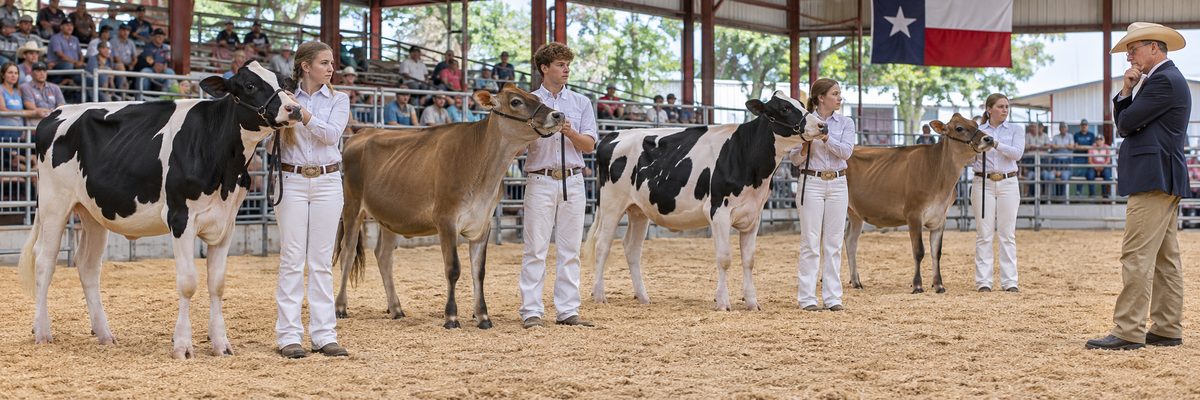
The simplest way to use genomic results is to count first and rank second. Figure out how many replacement heifers you need, then rank your tested heifers on the index that fits your herd and keep the top of the list. The rest become candidates for beef semen, sale or a different plan. If you start with the ranking and decide the count later, you'll end up with a barn full of heifers and a feed bill to match.
Genomics doesn't pick winners by itself. It narrows the odds. A heifer with a high genomic index is expected to be a better cow, on average, than one with a low index, but she still has to calve without trouble, get bred back and stay healthy. The ranking is a tool for allocating your best semen and your rearing money. It isn't a crystal ball.
Below is a practical sequence for sorting, plus the traps that wreck otherwise good plans.
Step one: how many do you actually need?
Replacement needs come from your cull rate, your plans for herd size and how many heifers you lose between birth and first calving. A farm that culls roughly a third of its cows each year needs about that fraction replaced, plus a cushion for heifers that die, don't breed or never make the grade. A farm that's expanding needs more. A farm that's holding steady in a tight facility needs fewer.
Penn State Extension points out that from the time a cow is bred to when her calf enters the lactating barn takes about three years, so plans have to be made well ahead. Too many heifers strain space and feed, and too few leaves empty stalls. Their piece on the importance of heifer inventory describes both mistakes, and the shortage of replacements that followed when some farms bred too many cows to beef.
Step two: rank, then filter
Start with a single index, such as Net Merit or TPI, and rank all tested heifers in a group. Then apply filters.
- Fertility. A heifer with high production but poor fertility will cost you days open later.
- Health and longevity. Productive life, somatic cell score and health traits keep cows in the herd.
- Calving traits. Daughter calving ease matters for the cows she'll become.
- Recessives and haplotypes. A carrier can still be a good cow, but you'll want to plan her matings carefully. See inbreeding and how to avoid it.
The index choice itself is covered in Net Merit versus TPI, and the basics of reading the numbers are in the PTA primer on this site.
Step three: add what the test can't see
Genetics is only half the picture, and Penn State says so directly: genetics is only half the equation for how an animal performs. A heifer's health history can be as important as her genomic rank. Penn State's heifer inventory guidance notes that even elite genetics are limited in animals that didn't get adequate and timely colostrum, and that heifers with recurring respiratory problems stand little chance of high performance. Those are animals to target for strategic marketing if you have a surplus.
Before you finalize the list, check each heifer against a few practical questions.
- Did she get colostrum on time? Check the calf record, not your memory.
- Has she had repeated pneumonia or scours?
- Is she growing on schedule? Small, stunted heifers rarely turn into good cows, however good their index.
- Is she a freemartin? A heifer born twin to a bull may be infertile, which is covered in freemartin heifers.
A heifer who ranks high and has a clean health record is an easy keeper. A heifer who ranks high with a bad health history is a judgment call. A heifer who ranks low and sickly is a sale.
Step four: decide what each group gets
| Group | Typical plan | Notes |
|---|---|---|
| Top group | Keep, breed with dairy semen, possibly sexed | Use bulls matched to your goals and check inbreeding |
| Middle group | Keep as needed to fill your replacement count | Breed with conventional dairy semen |
| Bottom group | Sell, or raise and breed to beef | Depends on your market and heifer rearing costs |
Cows are also sorted this way, not just heifers. The dairy cow side of the plan is the subject of breeding dairy cows to beef bulls, which is where the lower group of cows ends up. Planning cows and heifers together keeps your calf supply and replacement count in balance.
Sexed semen fits into this too. Using it on the best cows or heifers increases the odds of female calves from the genetics you most want to multiply. Whether that pays depends on cost and conception, which is a calculation worth running before the semen order goes in.
Timing and records
Do the sorting before you breed, not after. Decisions about which heifers to keep affect which semen you buy, how many straws you thaw and how you plan your breeding calendar. Waiting until after breeding turns a sorting job into a salvage job.
Keep the results in your herd software, with the ID, the index you ranked on, the date of ranking and the decision. The note matters six months later when someone asks why heifer 4417 is in the beef group. If you can't remember, the barn will happily tell you she's the one that kicks, which is useful but not data.
Common traps
- Keeping every heifer because it feels wasteful to sell any.
- Selling the bottom group before checking the market. Prices for dairy heifers and crossbred calves move with cycles, and you want to understand your options.
- Ranking on milk alone and ending up with fertility and health problems in the next generation.
- Letting an index decision drift between sorting sessions, so the group isn't ranked consistently.
- Ignoring inbreeding. Heavily used popular sires tighten pedigrees faster than they appear to.
Regional and farm-size notes
Large Western and Southwestern herds typically run genomic sorting as a standard routine, often with mating software. In the Northeast and Upper Midwest, family herds may sort once or twice a year and often keep more heifers for sale. Grazing herds usually value fertility, components and robustness, so filters for those traits are often as important as the index itself. In hot regions, filters for fertility and health come first, since heat stress makes weak cows weaker. Whatever your setup, the sequence is the same: count, rank, filter, decide.
Quick answers
How many heifers should I keep?
Enough to cover your cull rate, your plans to grow or shrink and the heifers you'll lose along the way, with a modest cushion. Raising far more than that adds cost without adding income.
Can a low-ranked heifer still be a good cow?
Yes. A genomic index estimates odds, not outcomes. Many low-ranked heifers do fine, which is why filters and health records matter alongside the rank.
What happens to the heifers I don't keep?
They can be sold as dairy heifers, bred to beef and sold as bred animals or raised with another plan. Check your local market and talk to your lender or advisor if cash flow depends on it.