Breeding, Genetics & Reproduction
Breeding Season Survival Guide for Tired Dairy Farmers
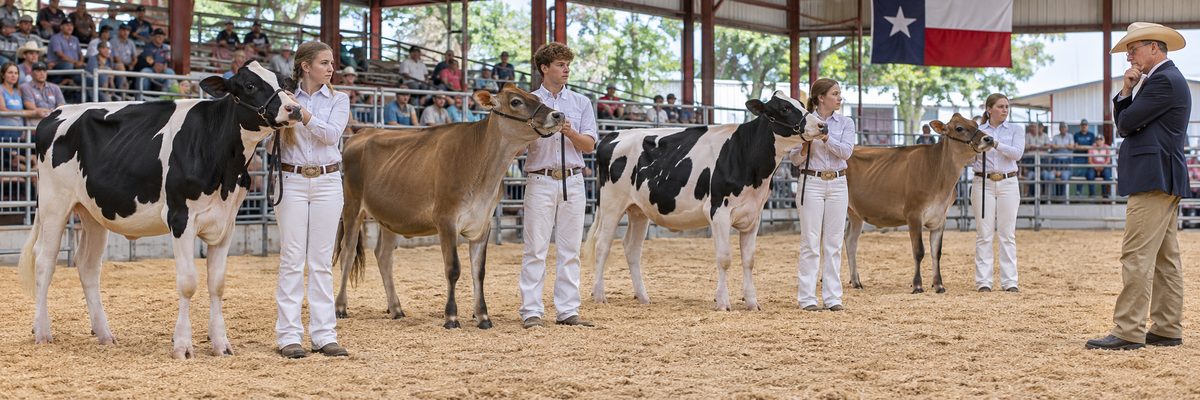
Nobody has ever said, "I love breeding season because I finally have some free time." It lands on top of calving, milking, feeding, field work, a broken skid steer and whatever the weather decides to do. Cows do not care that you have been up since three. They cycle on their own schedule, and it is your job to notice.
The good news is that breeding does not need heroics, only a routine that works on a bad day. A tired farmer with a simple system will beat a rested one with a complicated plan every time. This guide is about building that system: who looks for heats, when, with what, and where the records go so that you are not trying to remember on Sunday what you did Thursday.
It also helps to keep a sense of humor, because sooner or later the cow you were sure was in heat will walk off disinterested while the one you ignored will be standing for everything. If your own social life has been replaced by a heat chart, this farm.FM piece about a farmer whose dating app matched him with his favorite cow is a reminder that things could be stranger.
Start with the schedule, not the cow
Before you put a straw in a gun, decide when cows become eligible. The voluntary waiting period is the number of days after calving that you will not breed a cow, even if she shows heat. Pick it with your vet and nutritionist, write it down and stick to it. It keeps everyone from arguing in the parlor about whether Cow 417 is ready.
Then work backward. How many cows are due to be eligible this week? How many are due for a pregnancy check? How many need a second look? Put those lists somewhere people actually look, like the parlor wall, a clipboard by the milk house door or a screen on the office computer. A list nobody sees is just paper.
Heat detection that survives a long week
Use more than one pair of eyes
Heat detection falls apart when it depends on one person who is also doing everything else. Spread the job out. Whoever moves cows to and from the parlor can watch for mounting and standing. Whoever scrapes alleys can note restless or bellowing cows. Everybody checks tail paint on the way past. See the barn checklist of heat signs to hand to new employees so everyone is looking for the same things.
Back it up with tools
Tail paint, scratch patches, activity collars and pedometers all help, but none of them is perfect. Tools flag cows; people confirm them. If you are thinking about buying monitors, the comparison of collars and tail paint can help you decide what is worth the money.
Timed breeding when labor is short
Synchronization programs let you breed cows on a schedule rather than waiting for heat. They can be a lifeline when labor is short, as long as the shots go in on the right day and the records are clear. Programs and drugs should be set up with your veterinarian, and the farm has to be able to do exactly what the protocol says. Ovsynch explained covers the general idea, and timed AI versus heat detection shows how to pick.
Who breeds, and how to keep AI from becoming a bottleneck
Some farms use their own staff, some hire a technician and some mix both. Each setup has its trouble spots. If the technician comes once a day, cows spotted in heat late may miss the best time. If you do it yourself, you need training, practice and time. Not everybody enjoys the job at five in the morning with cold hands. Do-it-yourself AI versus hiring a technician compares the two.
Whatever you choose, make sure semen is handled correctly, thawed properly and used quickly. A good tank rotation and a labeled inventory prevents wasted straws and wrong-bull mistakes. Check the nitrogen level on a schedule. The tank is not going to tell you it is empty until it is.
Keep the records up, even when you are beat
The work gets sloppy at the end of a long day, and so do the records. Make entering data part of the task, not a separate chore. Write the breeding down as you do it, not later. If it is not in the book, it did not happen as far as the pregnancy check list is concerned. What to track in breeding records lists the fields that matter most.
Check pregnancy on a regular schedule, with your vet or technician, and recheck cows that had questions. Catching open cows early saves weeks of wasted time, and the cost of a day open adds up faster than most farmers expect. Pregnancy checking methods covers the options.
A tired farmer's breeding season checklist
- Confirm the waiting period and post it where everyone sees it.
- Assign heat watching: who looks, when and where.
- Check tail paint, patches and monitor data at every milking.
- Keep the semen tank full, labeled and in a safe place.
- Write down every breeding right away.
- Schedule pregnancy checks for the week, not the day you remember.
- Review open cows each week and decide what to do with the ones that are not responding.
- Take one day off for yourself, even if it is half a day. Tired people miss heats.
Protecting the people who run the program
Breeding season is long. Fatigue makes mistakes, and mistakes cost conception. If you are the only one doing everything, look at what can be handed off. A part-time helper for heat watching, a technician two days a week or an easier set of records may cost less than the open days you are losing. Many extension dairy programs offer reproduction training and farm tools; the UW-Madison dairy extension site is a solid place to look for them.
Talk to your family and crew about what is going to be hard, and what can wait. There are limits to what anybody can do, and it is better to plan for a rough patch than to pretend it will not come. Cows do better when the people caring for them are not on their last nerve.
Quick answers
How many times a day should I watch for heat?
Many herds aim for several short observation periods spread across the day, often tied to milking times, rather than one long stare. Short, focused checks work better than a distracted glance now and then.
What if I miss a heat?
Mark the date and watch again around three weeks later, since cows typically cycle roughly every 21 days. If the cow keeps getting missed, talk with your vet about a timed program or a monitoring system.
Is it okay to skip a breeding if I am overloaded?
Occasionally, yes, but make it a decision, not an accident, and write it down. A missed cycle costs time, so consider help or a timed program if it keeps happening.