Dairy Business, Finance & Labor
Renting a Dairy Farm: Lease Terms to Negotiate
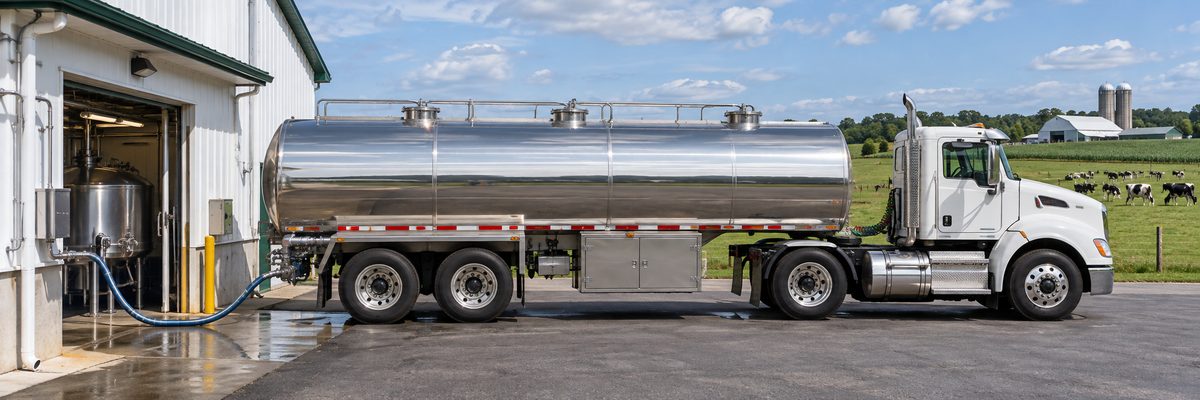
A dairy farm lease is not a rental agreement for a house with a bigger lawn. It covers land, barns, a milking system, manure storage and sometimes cows, and every one of those pieces can turn into an argument if the paper doesn't spell out who does what. Get the lease in writing, have an attorney who knows agricultural law read it, and don't sign anything until you can say, in one sentence each, who pays for repairs, who owns improvements and what happens when the lease ends.
Handshake leases are a farm tradition and they work right up until somebody retires, sells, dies or gets a new accountant. The cow barn is a bad place to find out what the handshake covered.
Decide what you're actually renting
"A dairy farm" means very different things from one listing to the next. Spell out exactly what's included.
- Land: acres of cropland, pasture and woodlot, with a map and any restrictions.
- Buildings: milking barn or parlor, freestalls, heifer housing, feed storage, shops, silos, bunkers.
- Systems: milking equipment, bulk tank, manure storage and handling, wells and water systems.
- Housing: the farmhouse and any worker housing.
- Animals and equipment: are cows, heifers, machinery or feed included, or do you bring your own?
Walk the farm with the landlord and take photos and notes of condition before you sign. The lease should include a baseline condition report, so nobody argues later about whether the parlor pit leaked on your watch or before.
Term length: the number that shapes everything
A short lease is a short plan. If you're investing in cow comfort, fertility or forage, you need enough years to see it pay back. A one-year lease on a dairy is nearly always too short, because a dairy takes time to build herd quality and cropland fertility. Longer terms give you security and give a lender something to hold onto. They also lock you in if the farm doesn't work out, so think about an exit, such as an early termination option with notice.
Ask the landlord to put in writing how renewal works: automatic, by notice, or by agreement. And ask what happens if the farm is sold during the lease. A lease that survives a sale, with the buyer bound to it, is worth far more than one that disappears.
Rent: how it's set and how it changes
| Structure | How it works | Watch for |
|---|---|---|
| Fixed rent | Same payment regardless of milk price | Painful in low-price stretches; predictable otherwise |
| Per-cow or per-hundredweight | Rent tied to herd size or production | How production is measured and who audits it |
| Flexible or sharing | Rent moves with milk price or margins | Clear formula, clear records, clear start and end dates |
| Split by component | Separate rent for land, facilities and equipment | Easy to compare to market values |
Rental rates vary widely by region and farm quality, so don't trust a single number from a neighbor. Local extension educators and land-grant ag economists often publish or know about typical rents. A flexible formula can protect a young operator, but only if it's simple enough that both sides can calculate it from your milk statements. For more on turning a rent number into a plan, the monthly cash flow projection will show how rent feels in the lowest-income months.
Repairs, improvements and who owns what
This is the section that causes the most trouble. Decide ahead of time:
- Routine maintenance: usually the tenant's job (gates, waterers, lights, cleaning).
- Major repairs: roofs, structural problems, a failed well, a collapsed manure wall. Who pays, and what's the threshold?
- Improvements: if you add a ventilation system or fence, who owns it at the end, and does the landlord reimburse part of it?
- Tenant-owned items: list equipment and fixtures you own and can remove.
- Approvals: what changes need written consent before you start.
The rule of thumb: if you're investing money in someone else's building, get the buyback or credit terms down on paper first. A new stall system doesn't pay you back on its own.
Manure, nutrients, water and rules
Environmental responsibilities don't evaporate because the farm belongs to someone else. The lease should say who holds any permits, who's responsible for the nutrient management plan, who pays for storage upgrades, and what happens if the regulations change. It should also cover water rights and wells in regions where water is scarce, and any restrictions on herd size. Check with your state dairy or environmental agency about what applies. A lagoon inspection is easier to deal with before you've moved in than after a letter shows up.
Cows, equipment and the milk check
If you're leasing cows or equipment along with the farm, write down a list, with counts, ages, identification and condition. Decide who pays for replacements, who carries insurance, and who owns the calves and the milk. Make sure the milk contract and the milk check stay with you, and that the landlord has no claim on the milk check unless the lease says so. Lenders will want to see these details, as covered in what lenders want in a dairy loan package. Ask your lender whether it needs a landlord waiver or subordination of any landlord's lien, because a lender who can't get collateral rights may not lend.
Purchase options and rights of first refusal
If the goal is to own the place eventually, put it in the lease. A purchase option sets a price or a formula for buying during the lease. A right of first refusal lets you match an outside offer. Both need clear dates, price terms and a way to resolve disputes, because "we'll work something out" isn't enforceable. If you plan to use public loan programs for a purchase, FSA loans for beginning dairy farmers is the place to start, and the Farm Service Agency lists its programs on its farm loan programs page.
Meanwhile, if the negotiation gets tense, there's some reassurance in this farm.FM piece about a sheep who becomes a life coach and tells the herd to find their fleece, not their lease. It's good advice for a sheep. For a dairy farmer, the answer is to find both, and write down the lease.
Ending the lease: the part nobody wants to discuss
- How much notice is required to end or not renew?
- What condition does the farm have to be in at the end?
- Who gets standing crops, stored feed and manure storage contents?
- What happens to the herd, the equipment and the milk contract?
- If there's a dispute, how is it resolved?
If the lease is between family members, such as a parent and a child, all of this applies at least as much. Families often skip the paperwork because it feels unfriendly, and then the paperwork becomes unfriendly in a different way. For a related topic, see buy-sell agreements for dairy partners and family.
Quick answers
How long should a dairy farm lease be?
Long enough to recover your investments in cows, crops and management, and for a lender to be comfortable. A one-year lease is rarely enough for a dairy, but longer terms need good exit options.
Who pays for repairs on a rented dairy farm?
It's negotiable. Tenants usually handle routine upkeep, while major structural repairs and system failures are often shared or left to the owner. Put thresholds and responsibilities in writing.
Do I need a lawyer to sign a farm lease?
It's a good idea. A lease for a dairy affects your financing, environmental liability and succession, and an attorney experienced in agricultural law can catch problems that are expensive to fix later.